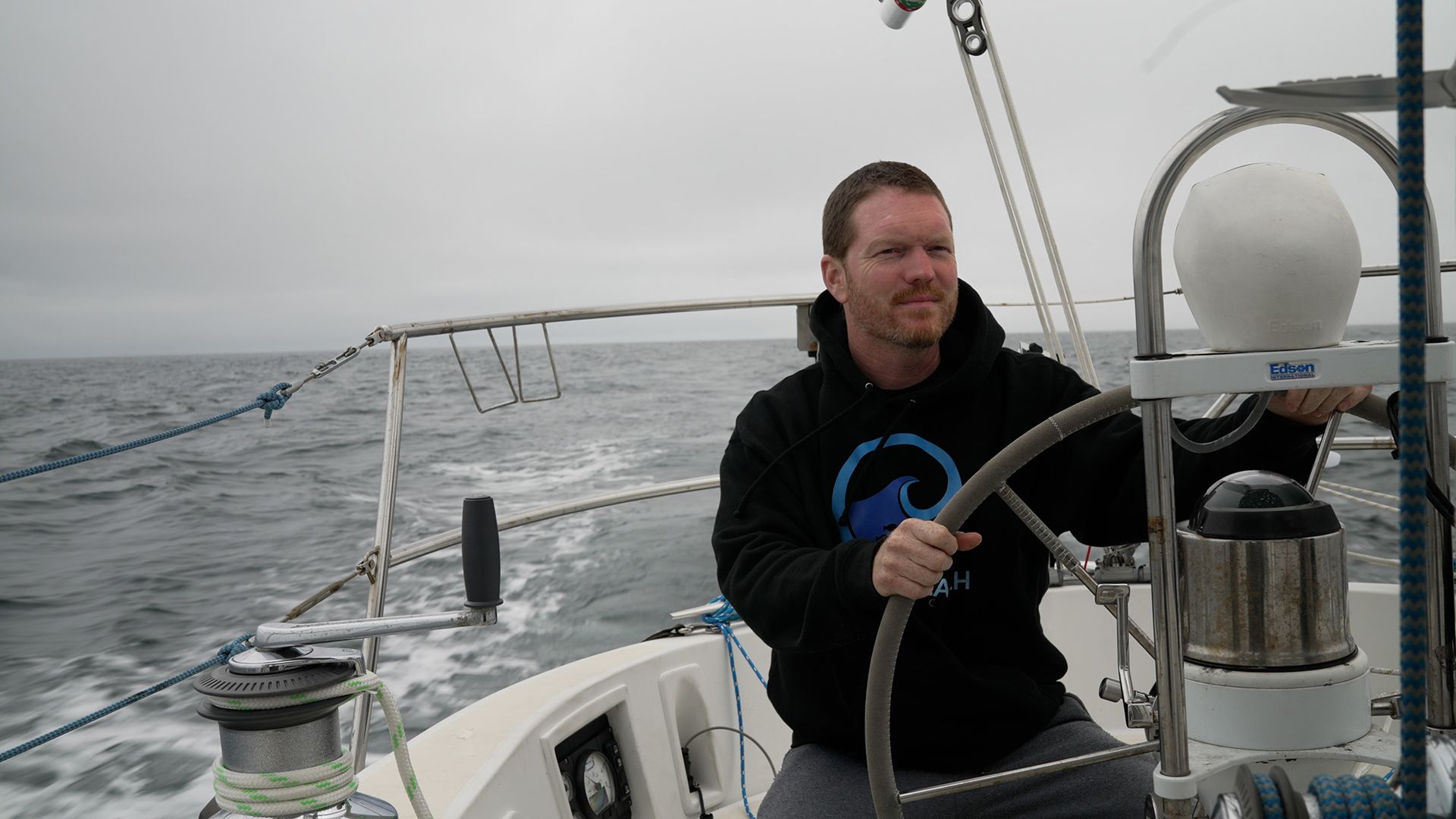
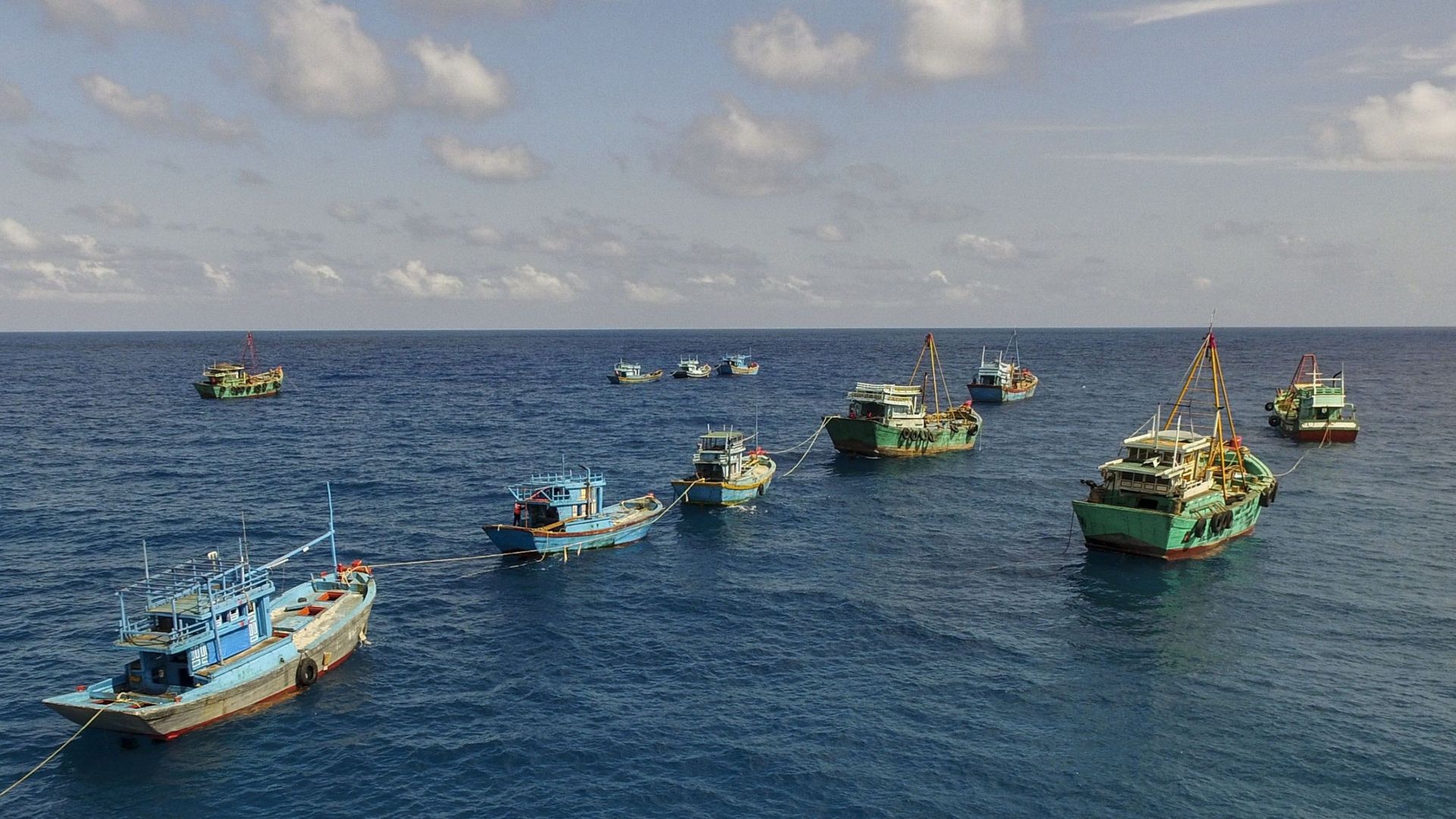
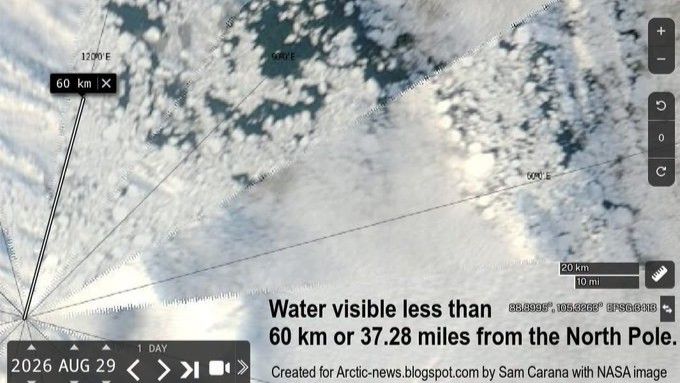
''The Russians were the problem in the end'': Sailor Matt Rutherford on being intercepted by the FSB while attempting to circumnavigate the Arctic Ocean solo (www.livescience.com)
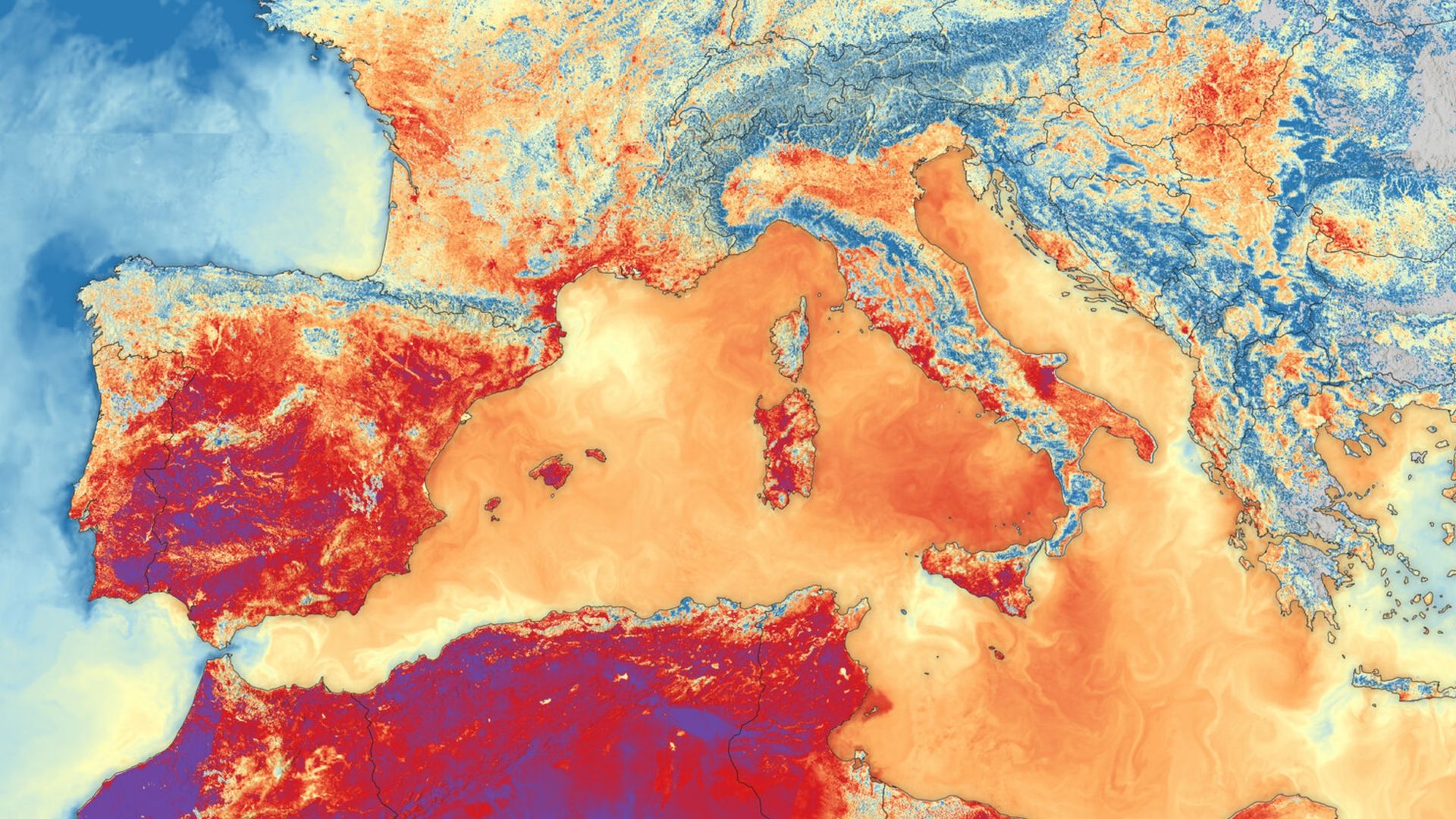
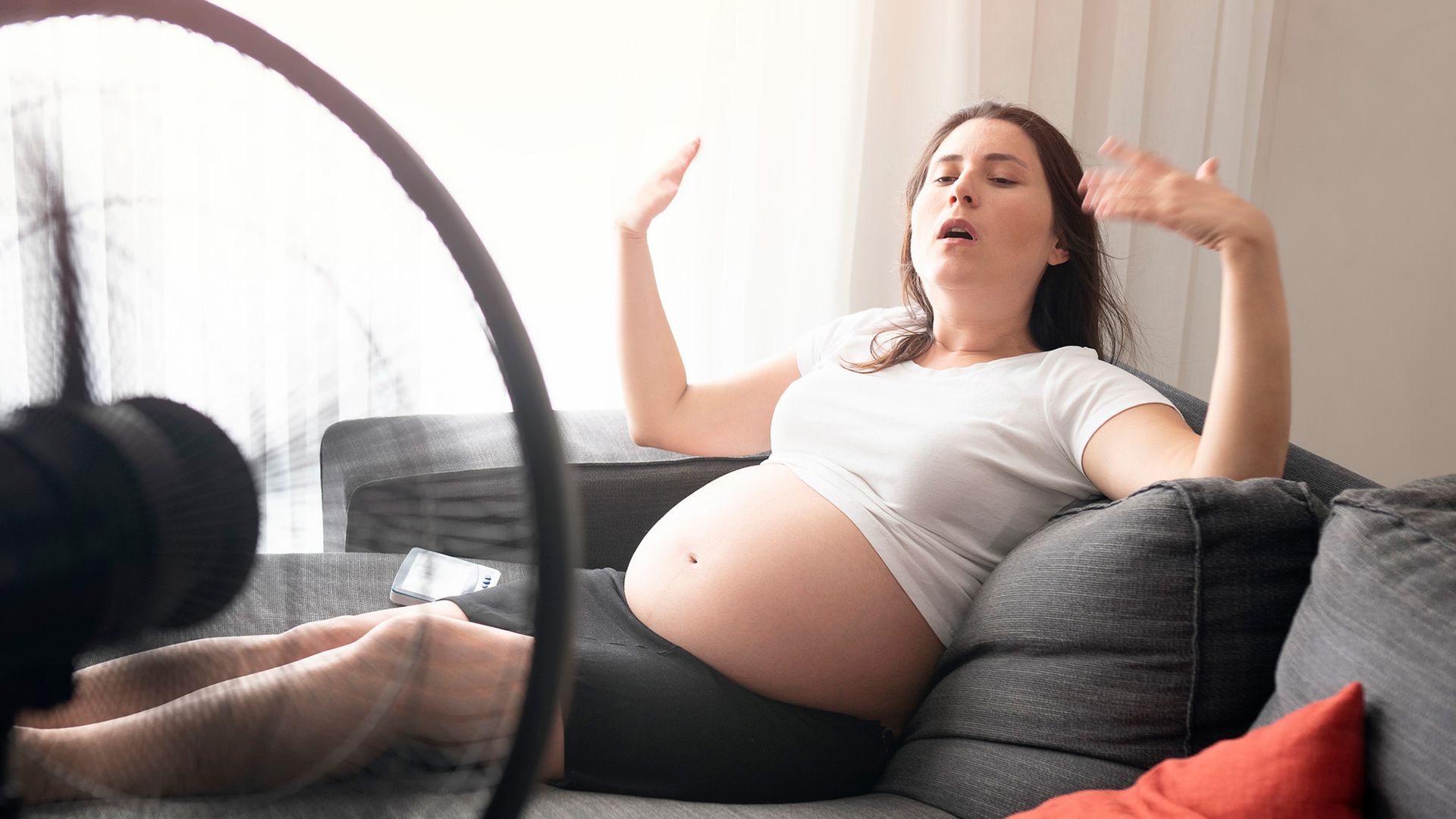
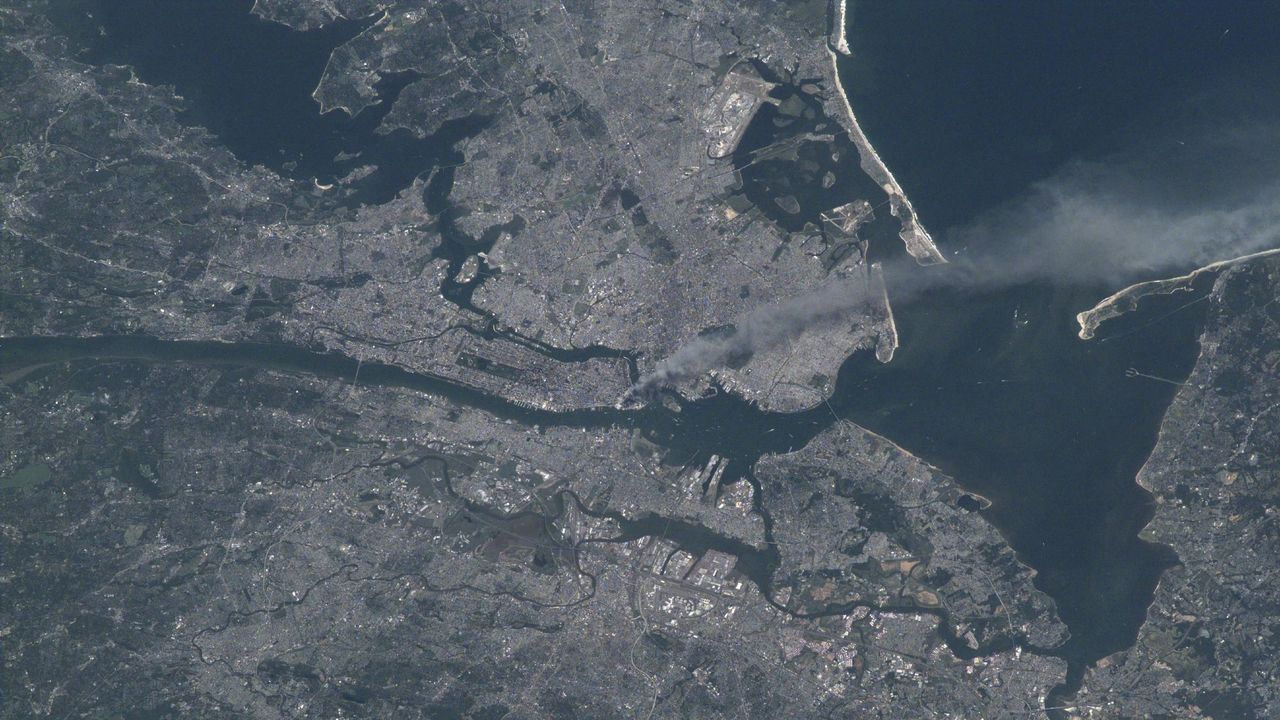
''It makes me feel that we can do a lot about it'': ESA official shares striking satellite snap of Europe''s record-breaking summer heat waves (www.livescience.com)
''We used to go to the climate conferences together. We are not anymore'': ESA official Simonetta Cheli tells us how the political landscape for Earth observation is changing (www.livescience.com)
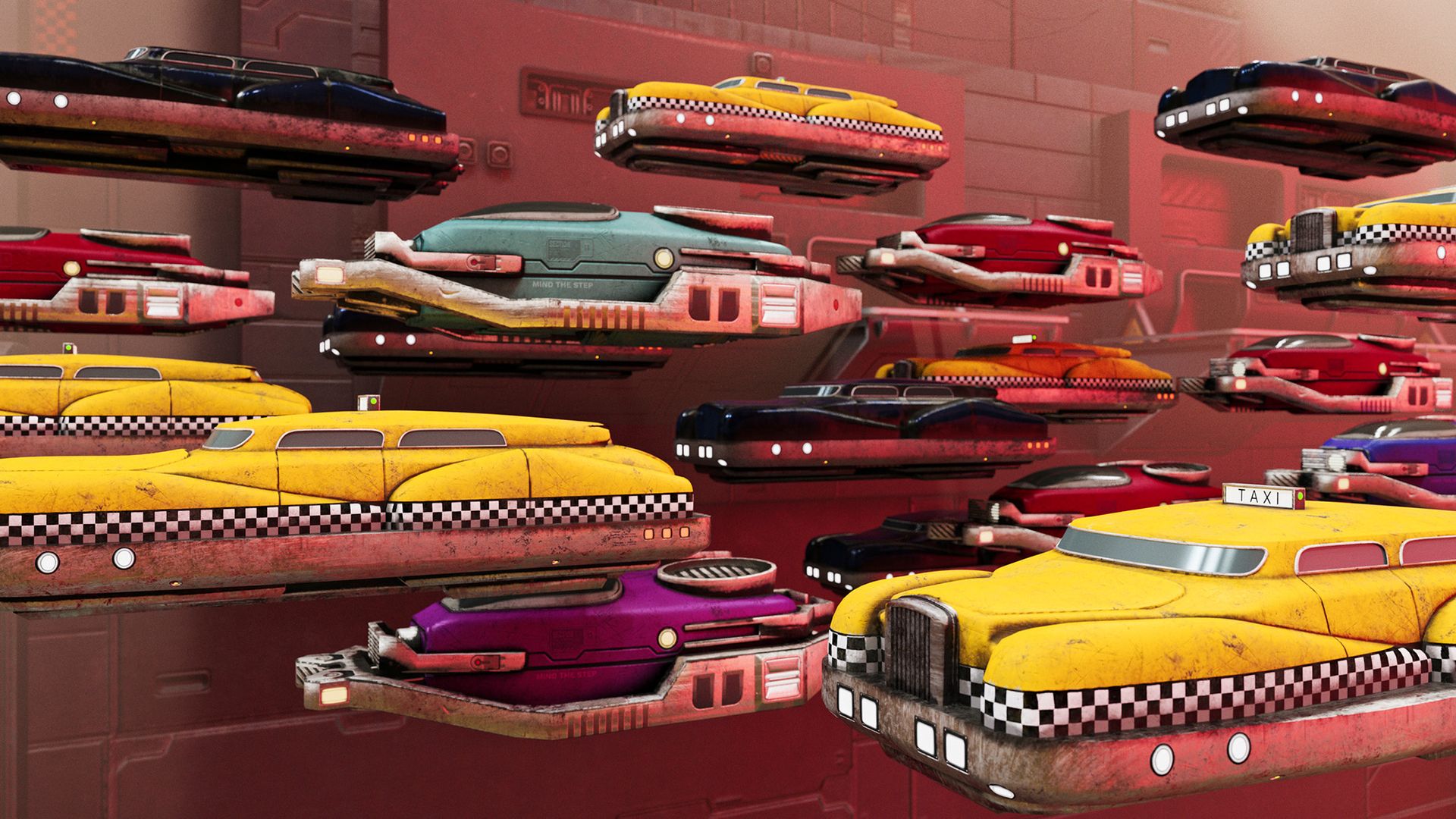
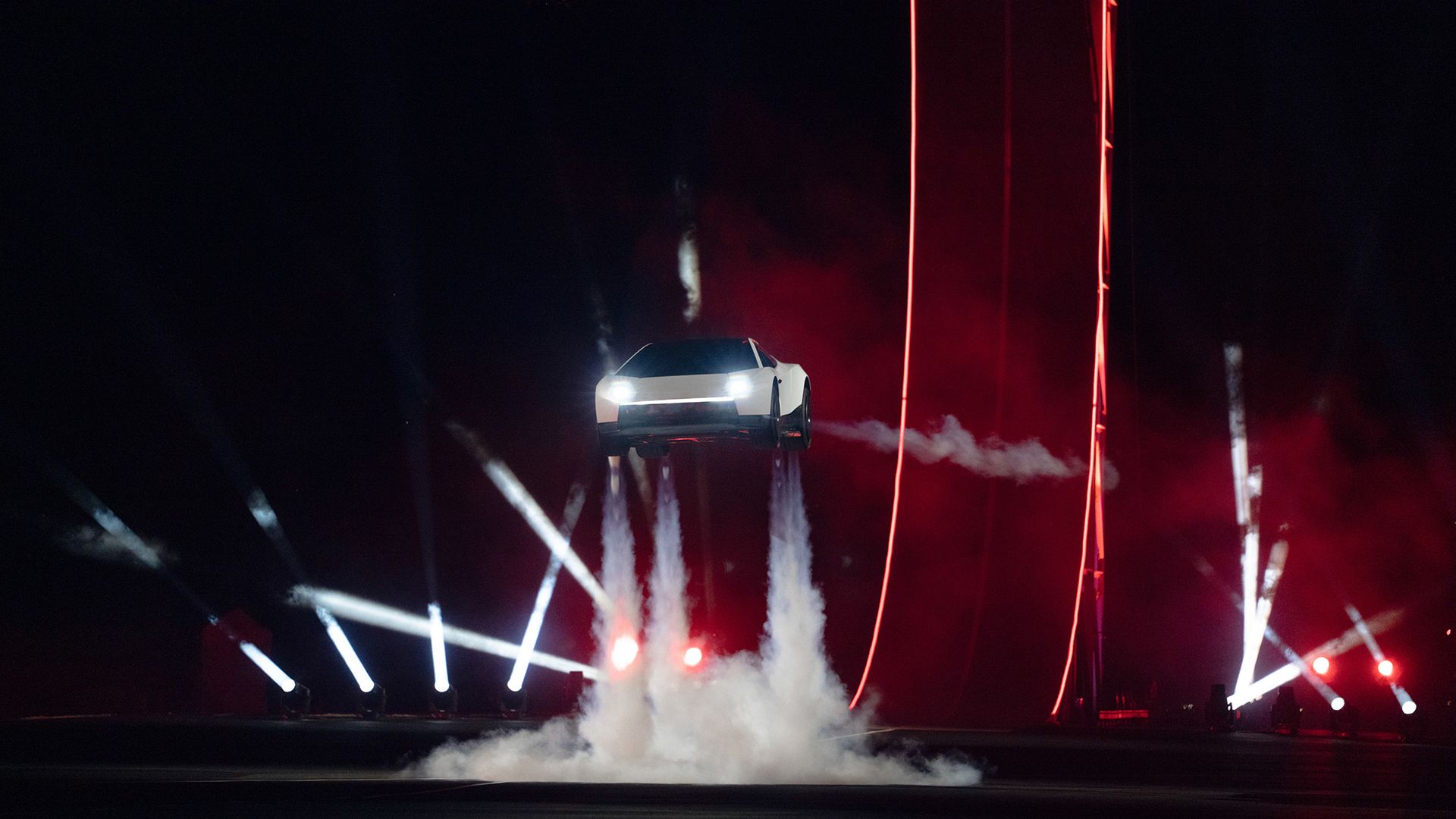
''Cute demo, but totally impractical'': Experts are skeptical that Tesla''s ''rocket'' Roadster could actually work in the real world (www.livescience.com)
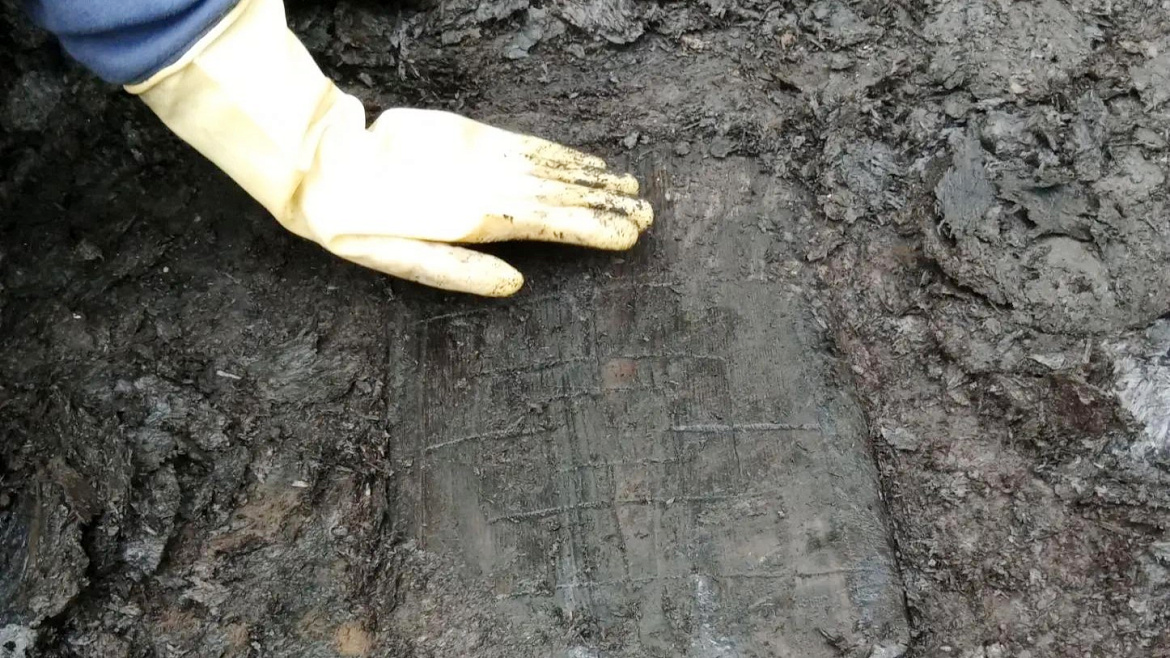
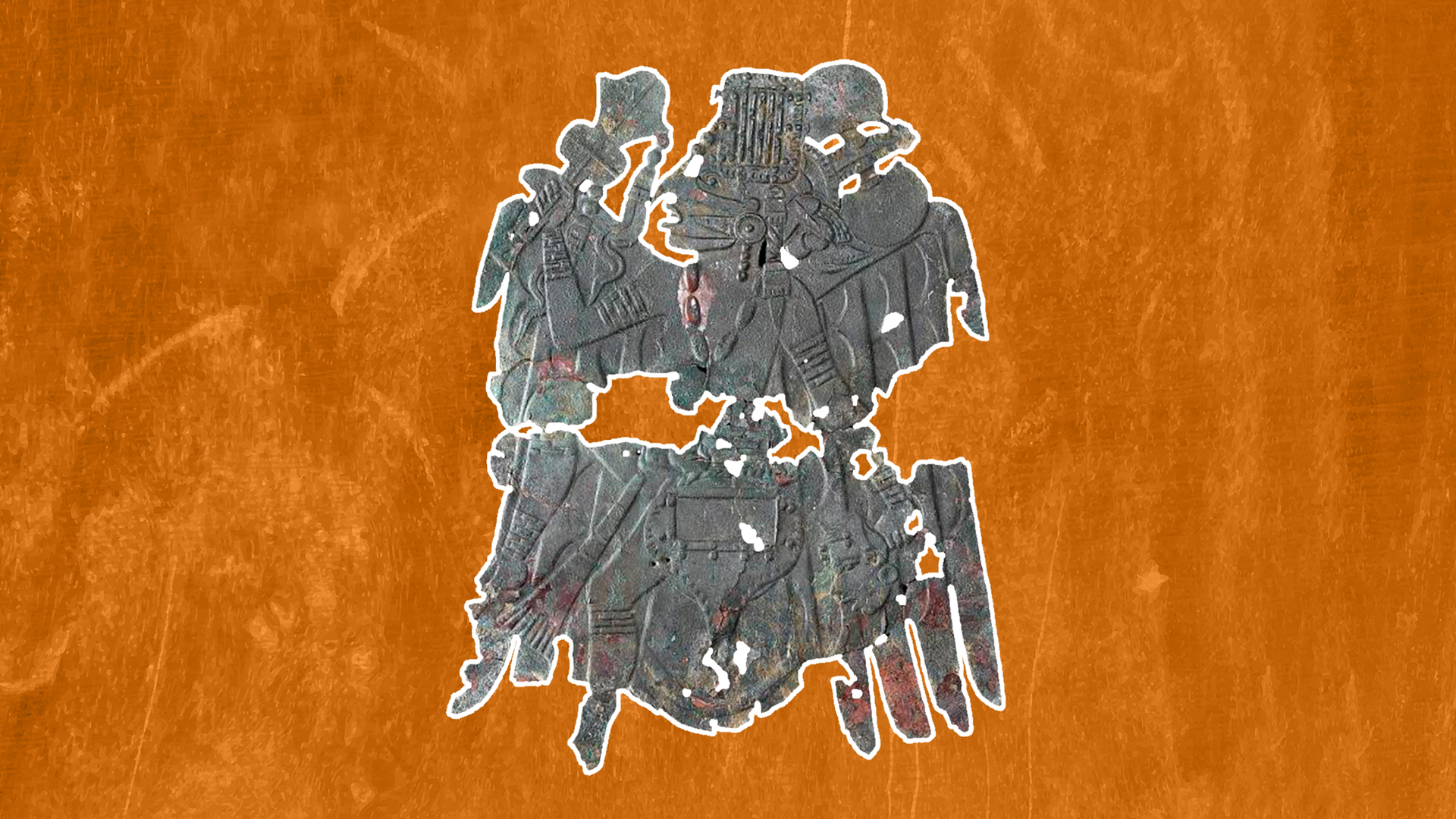
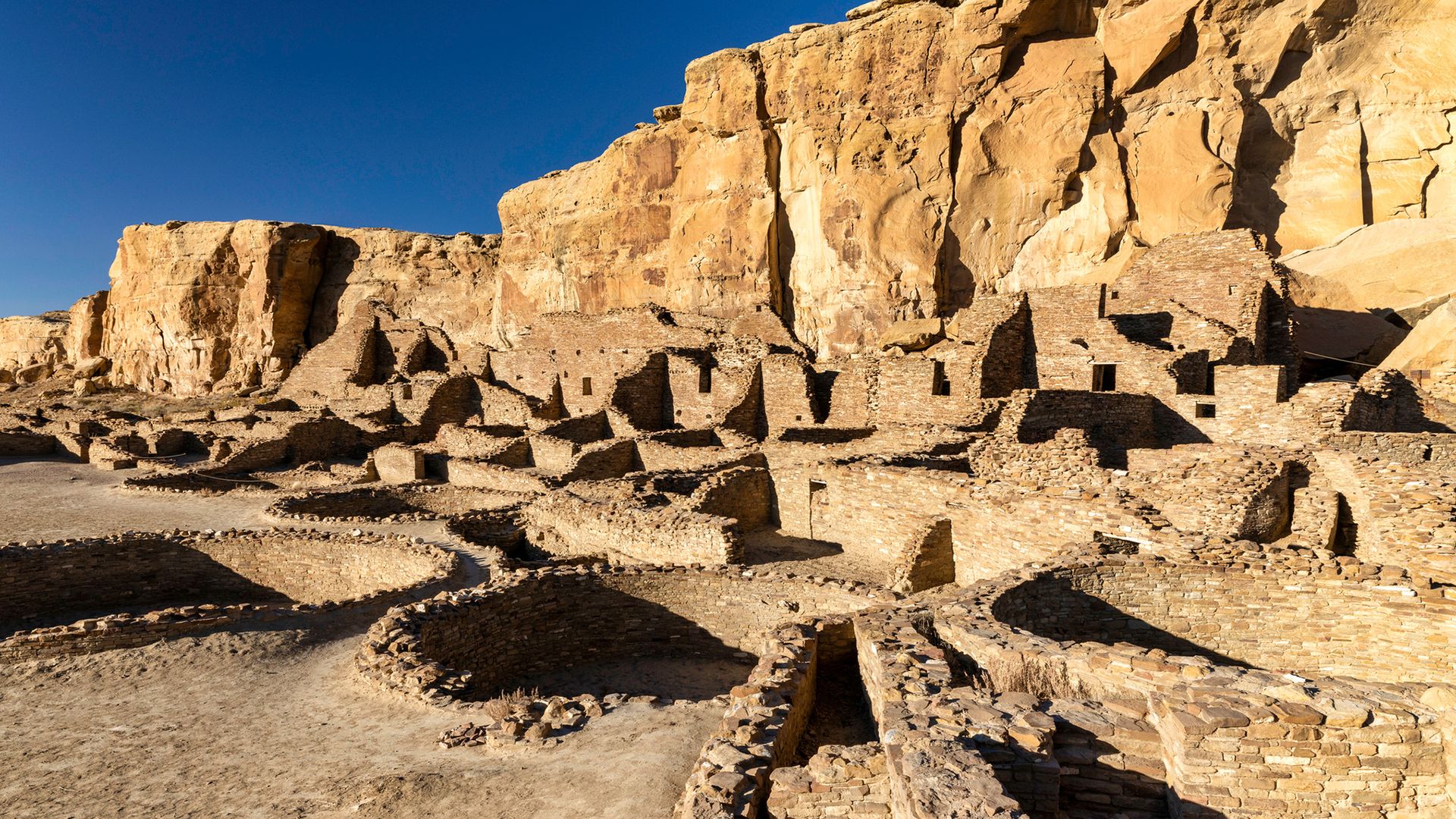
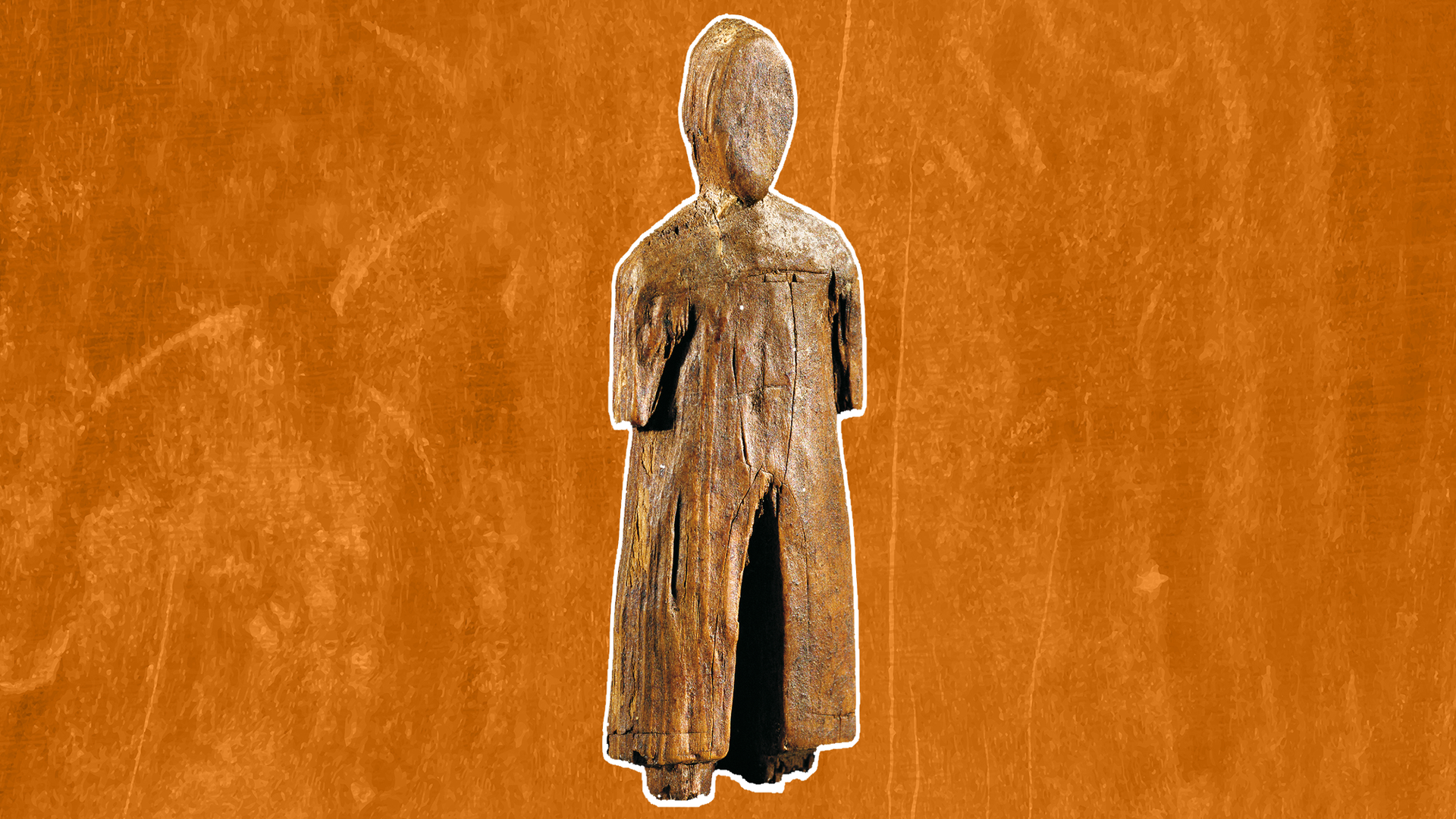
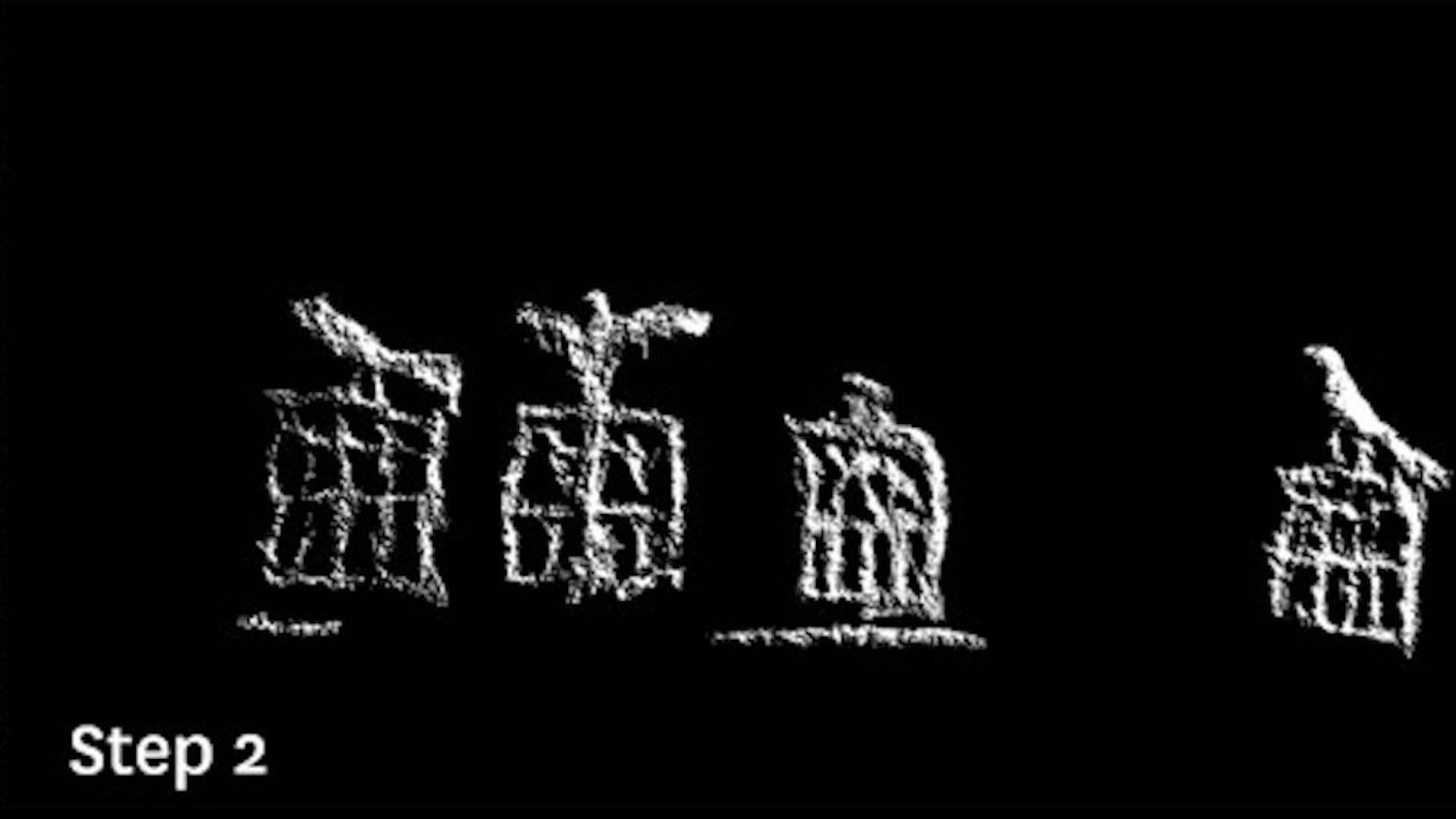
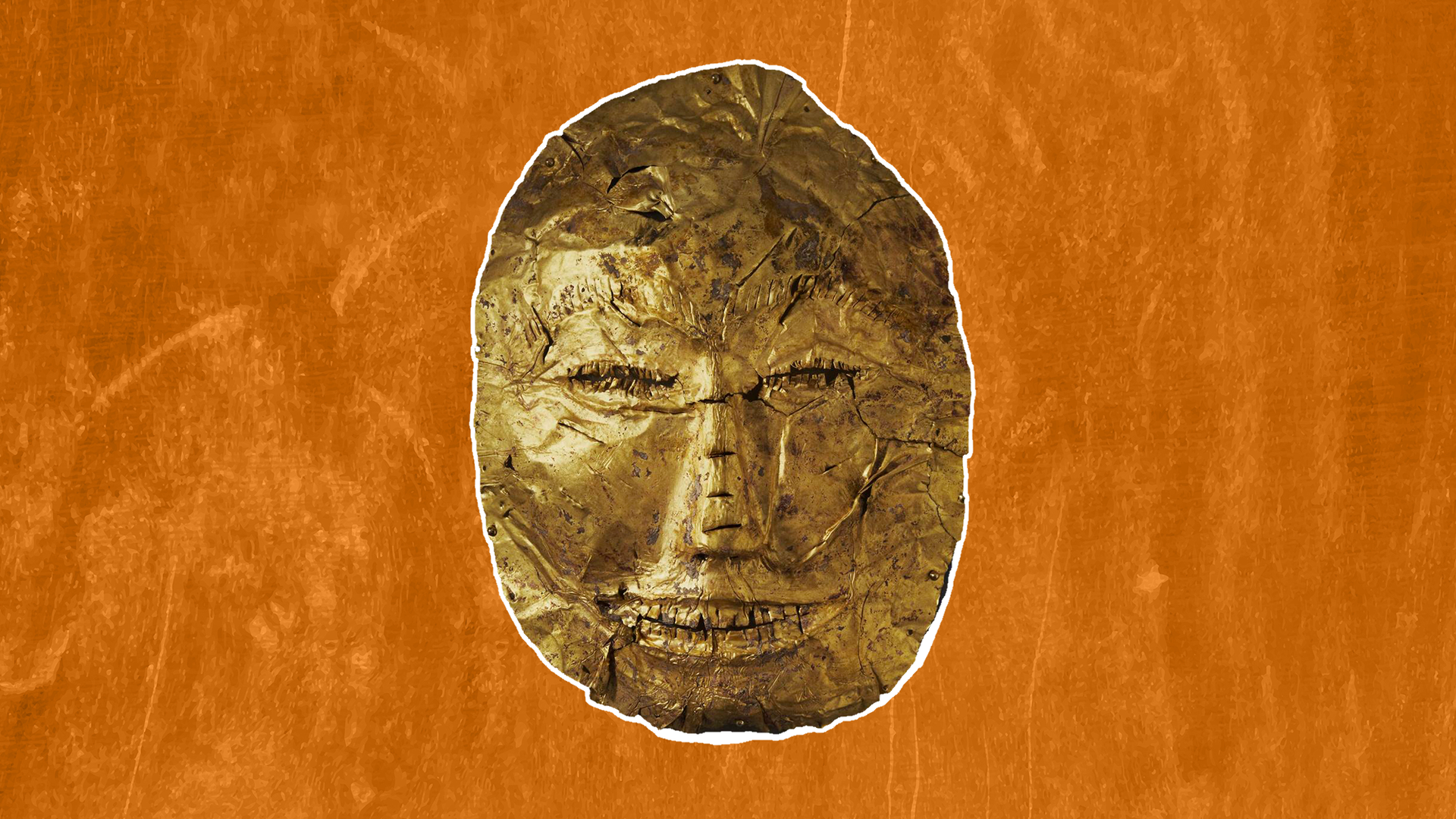
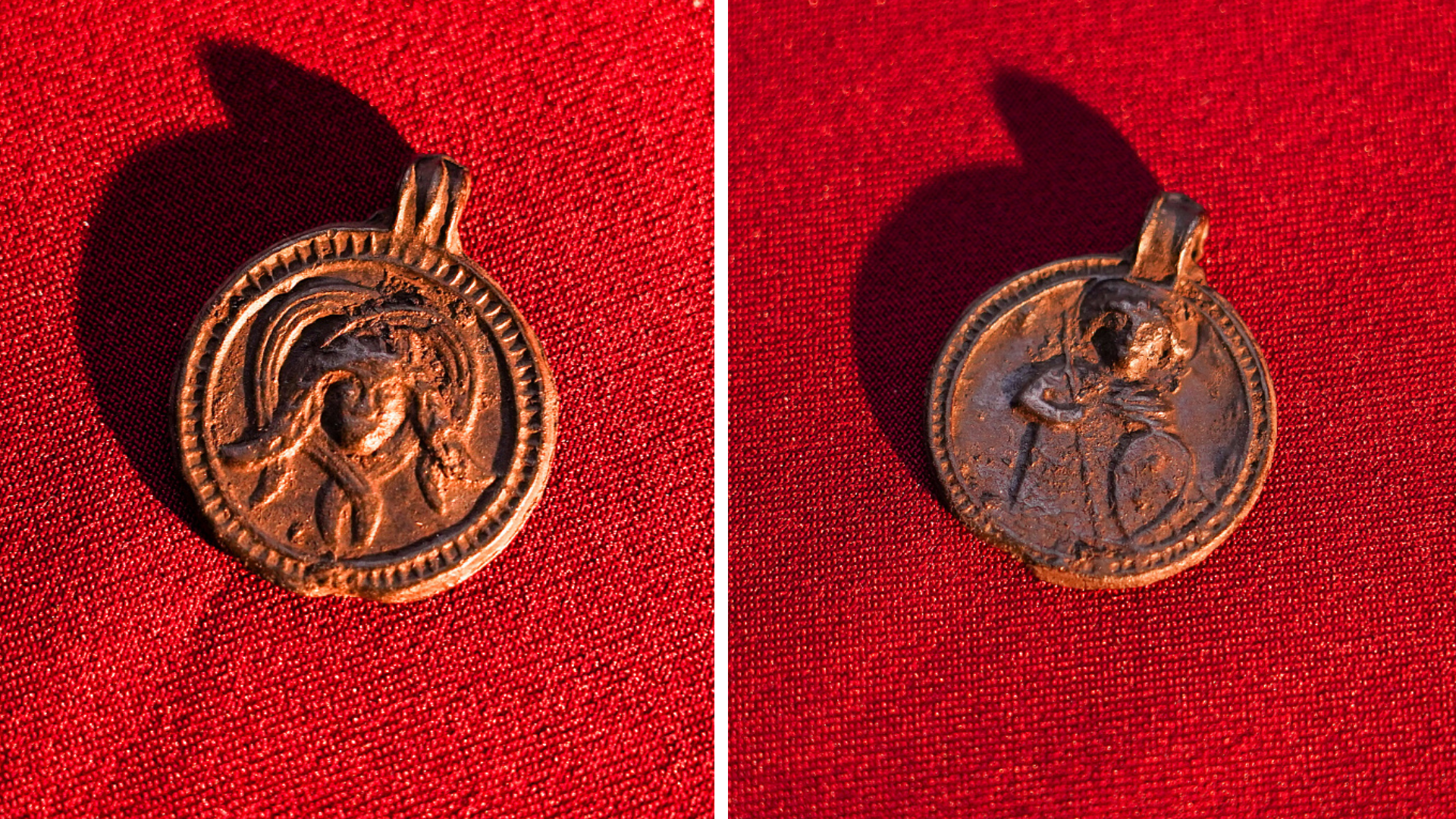
''Birdman'' copper plate: A 700-year-old depiction of a Native American warrior that may be a woman holding a weapon and a severed head (www.livescience.com)
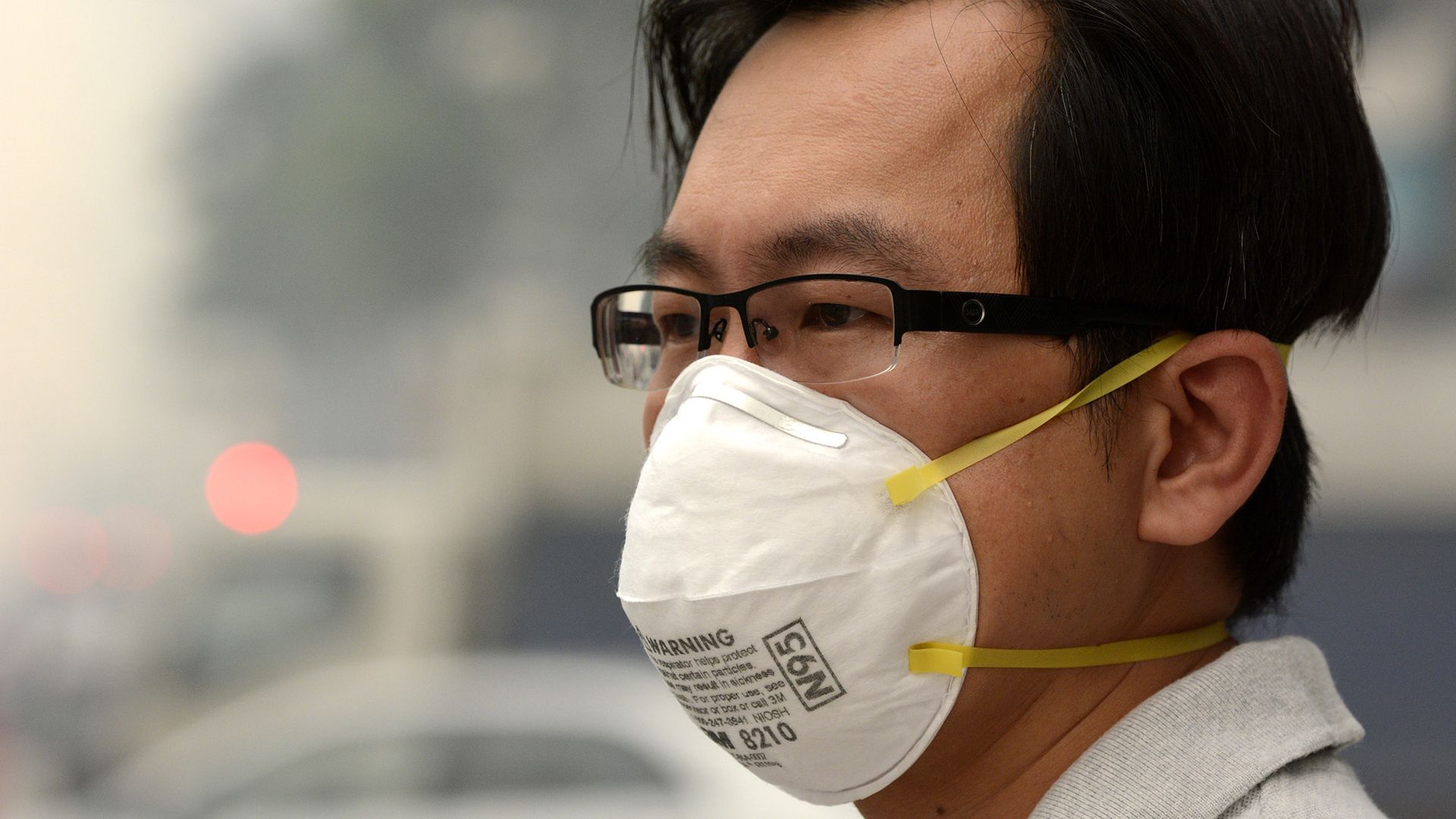
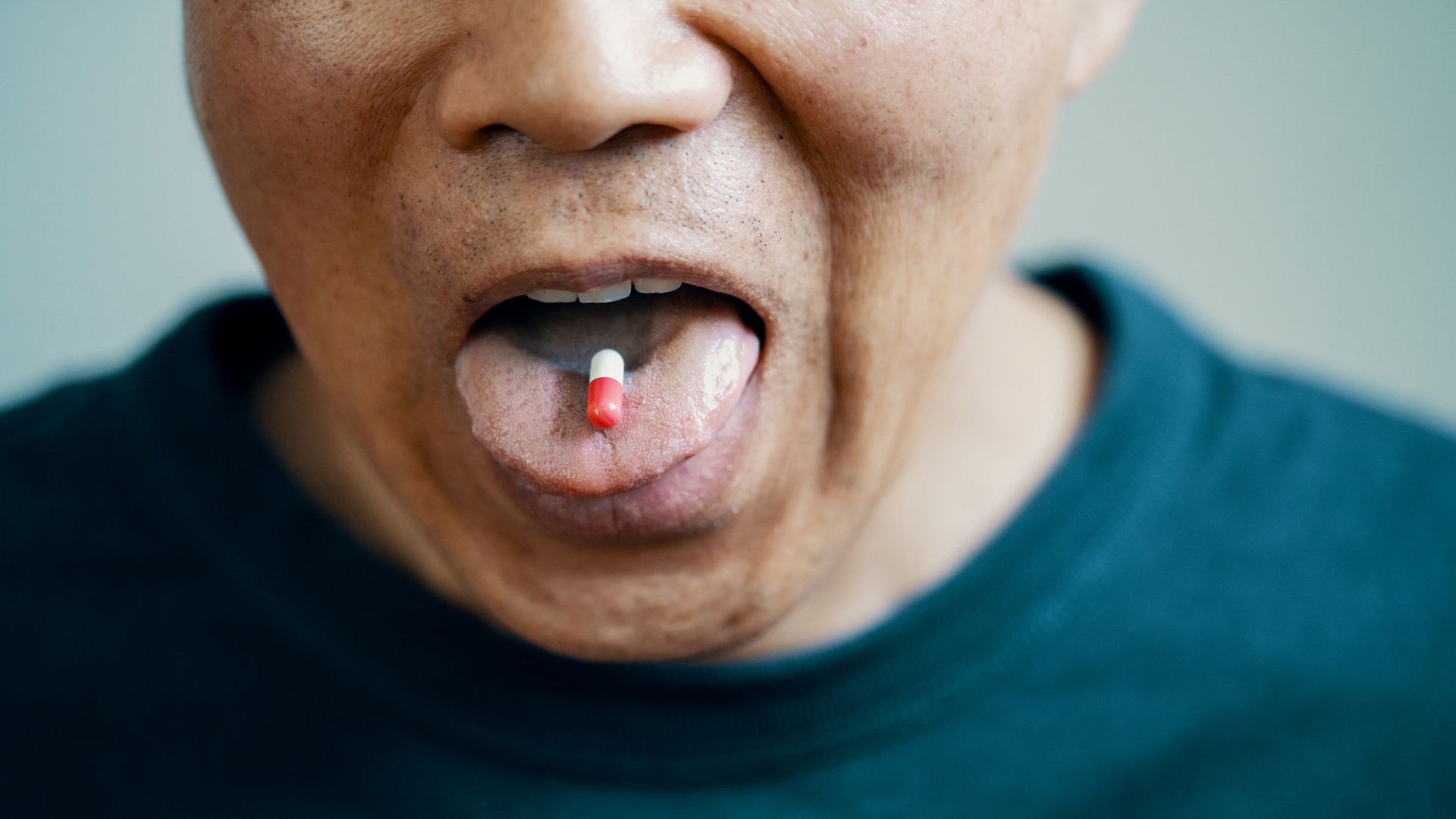
''A uniquely direct route that might cause damage'': Scientists uncover link between air pollution and eye diseases like glaucoma (www.livescience.com)
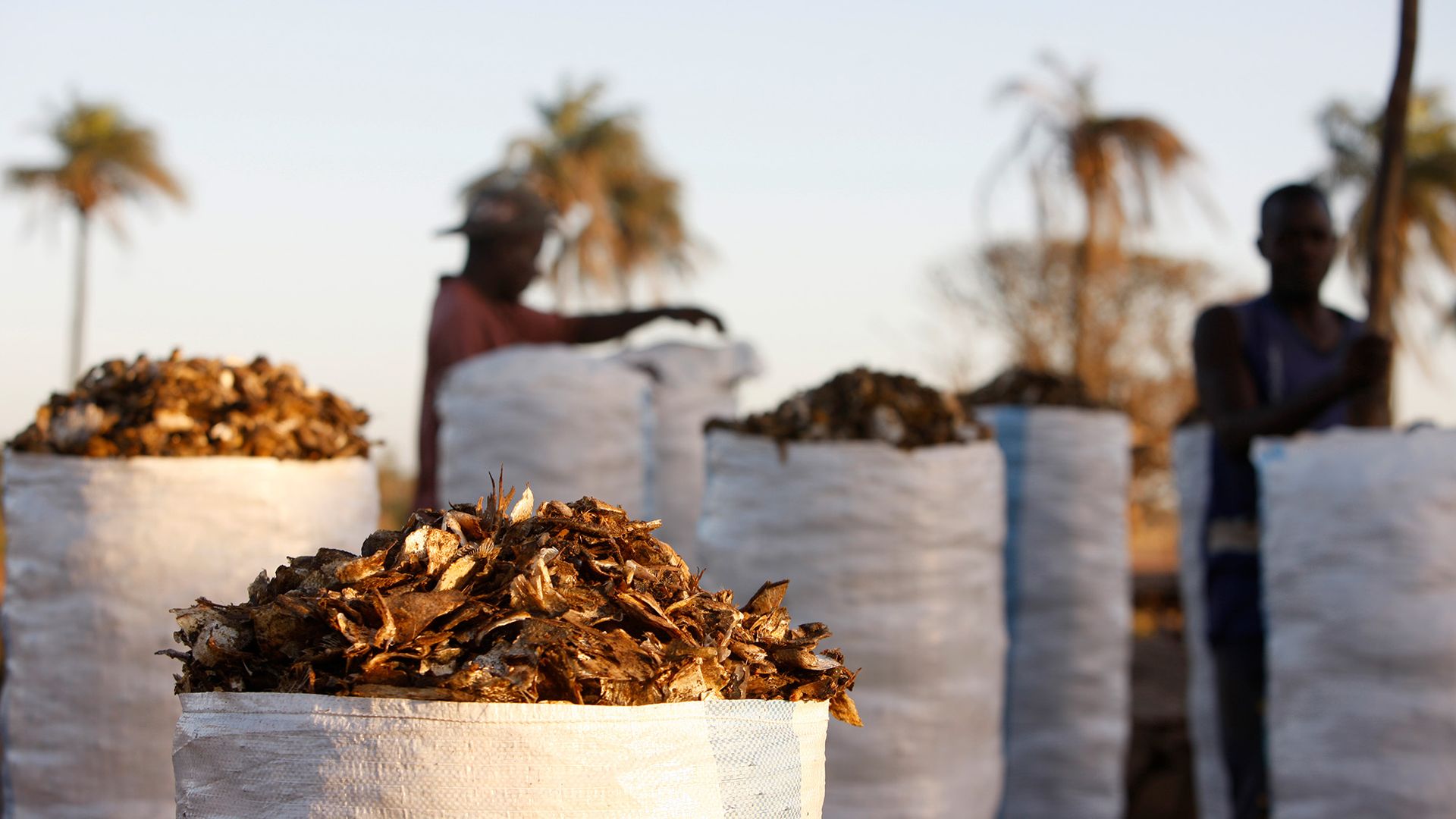
''They cannot compete with the prices that fish factories will pay'': How demand for fish meal takes priority over feeding people (www.livescience.com)
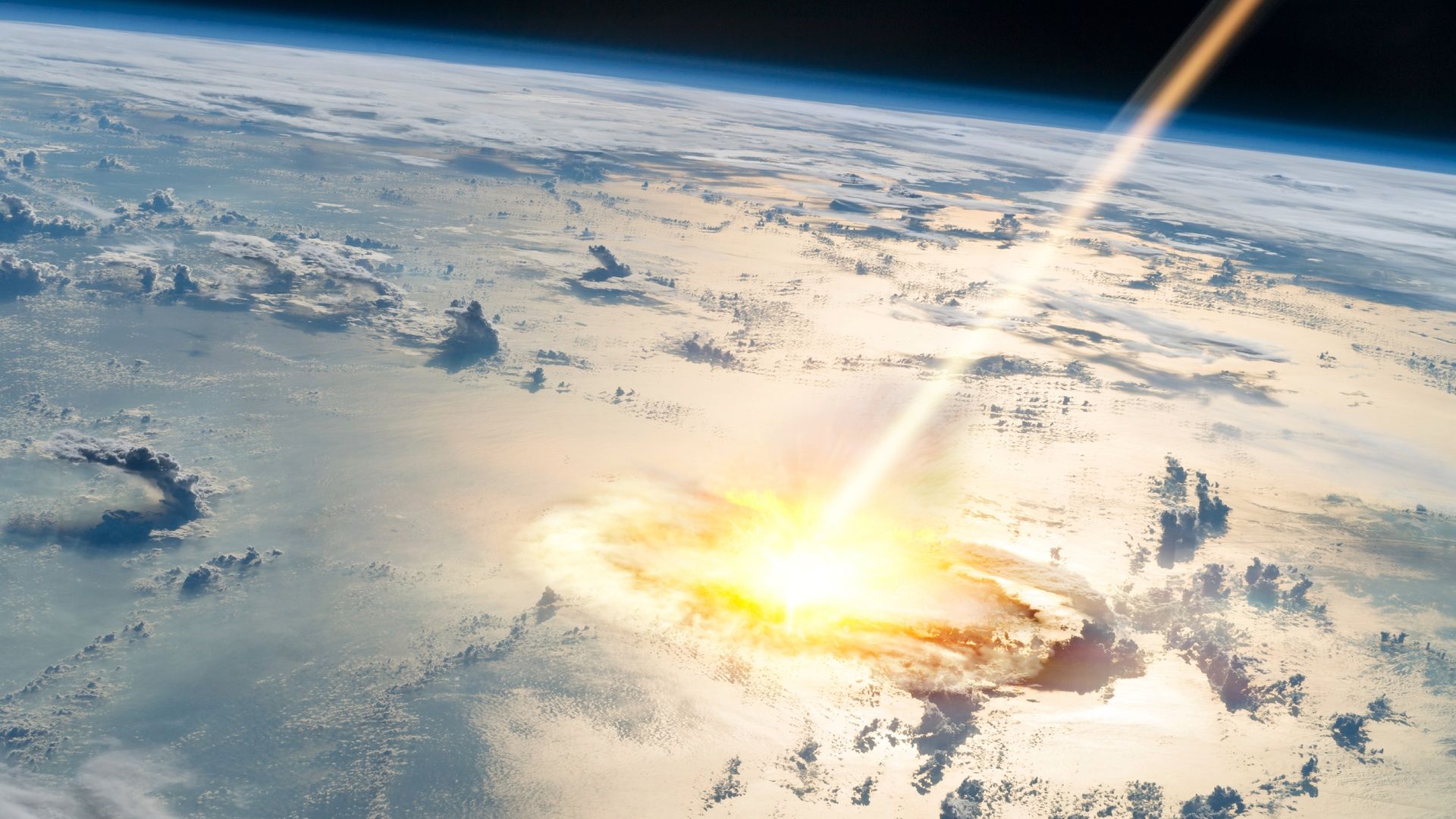
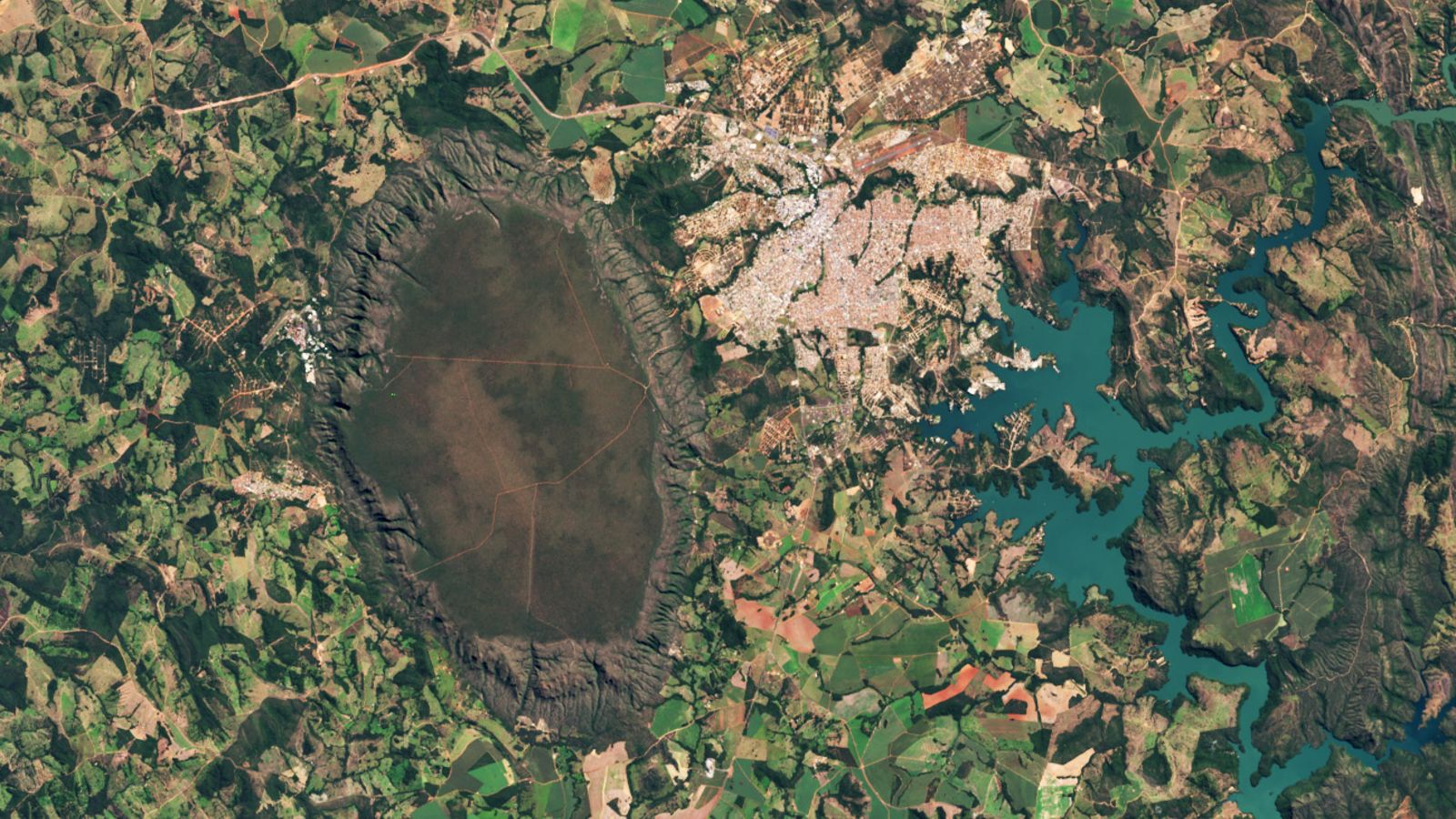
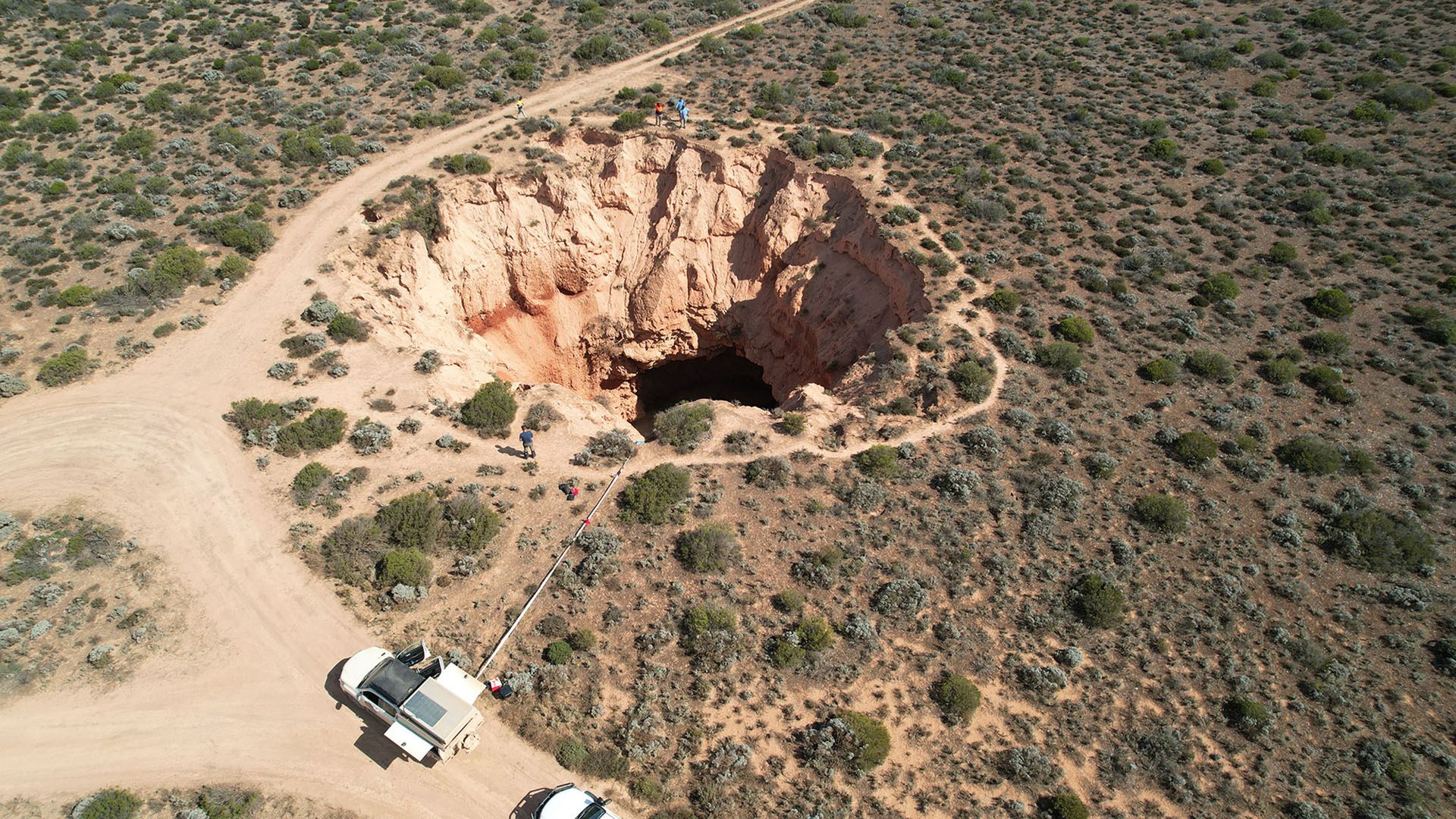
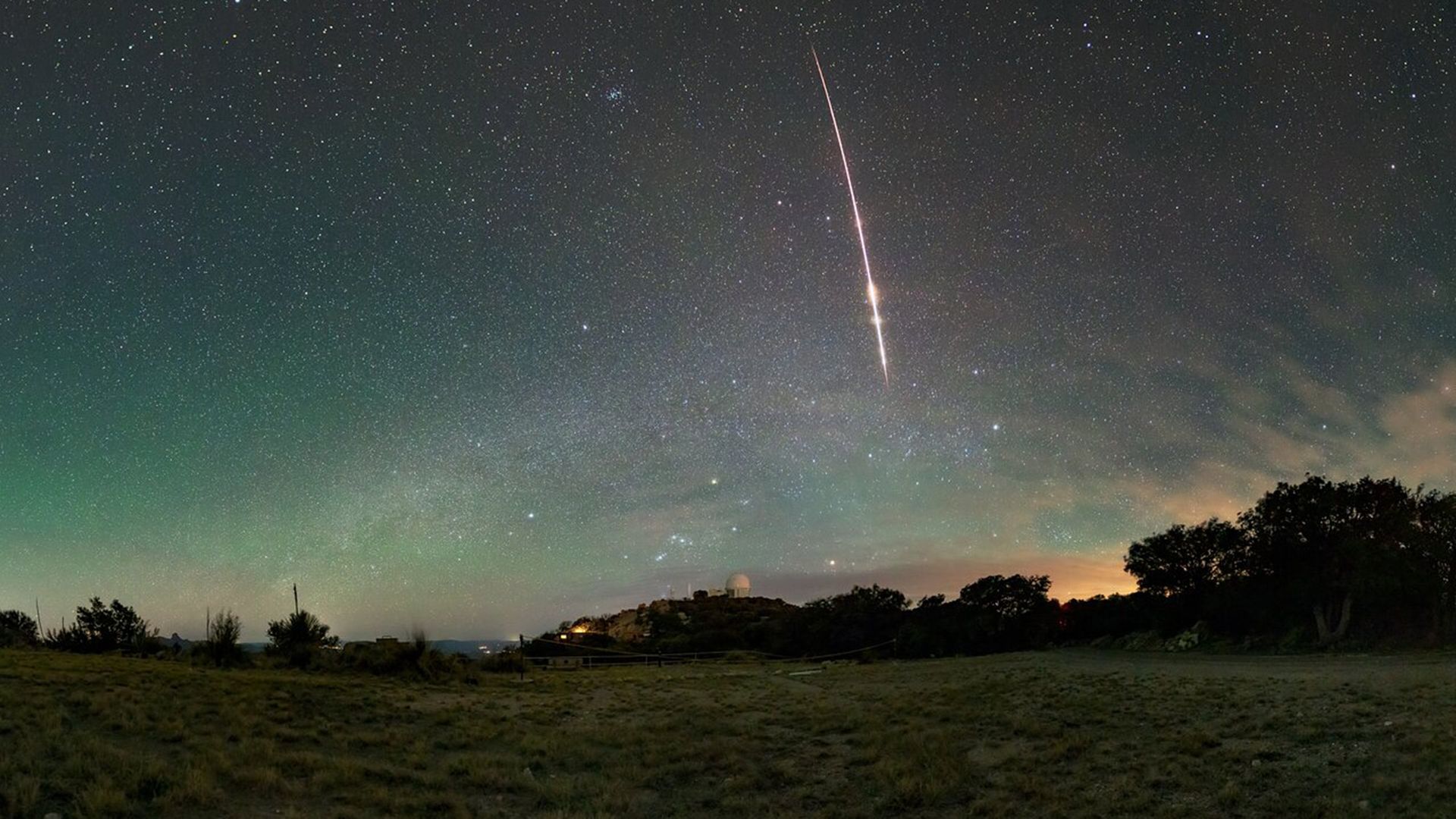
One of America''s biggest meteor craters is 100 million years younger than we thought — and coincided with a global extinction event (www.livescience.com)
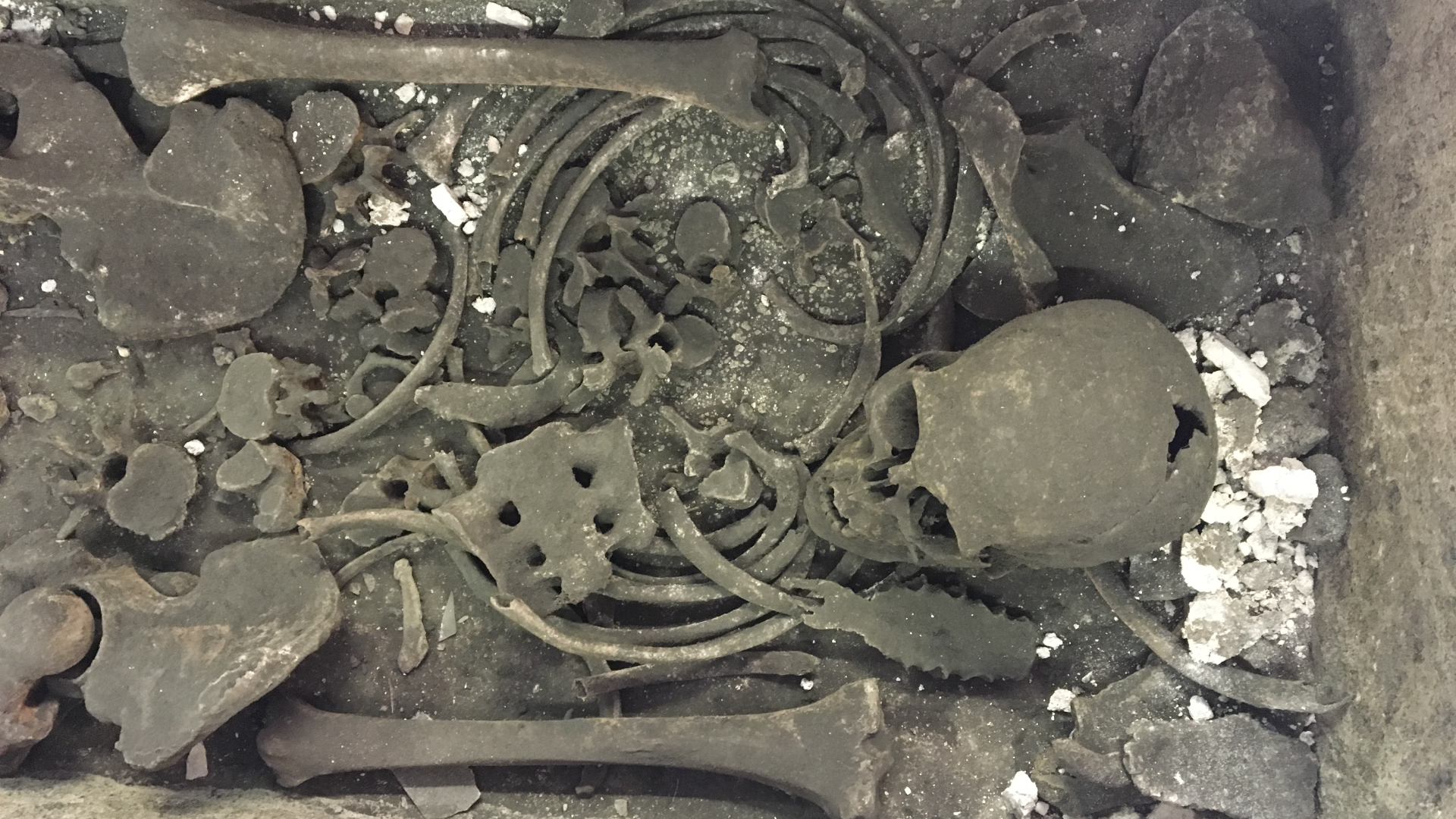
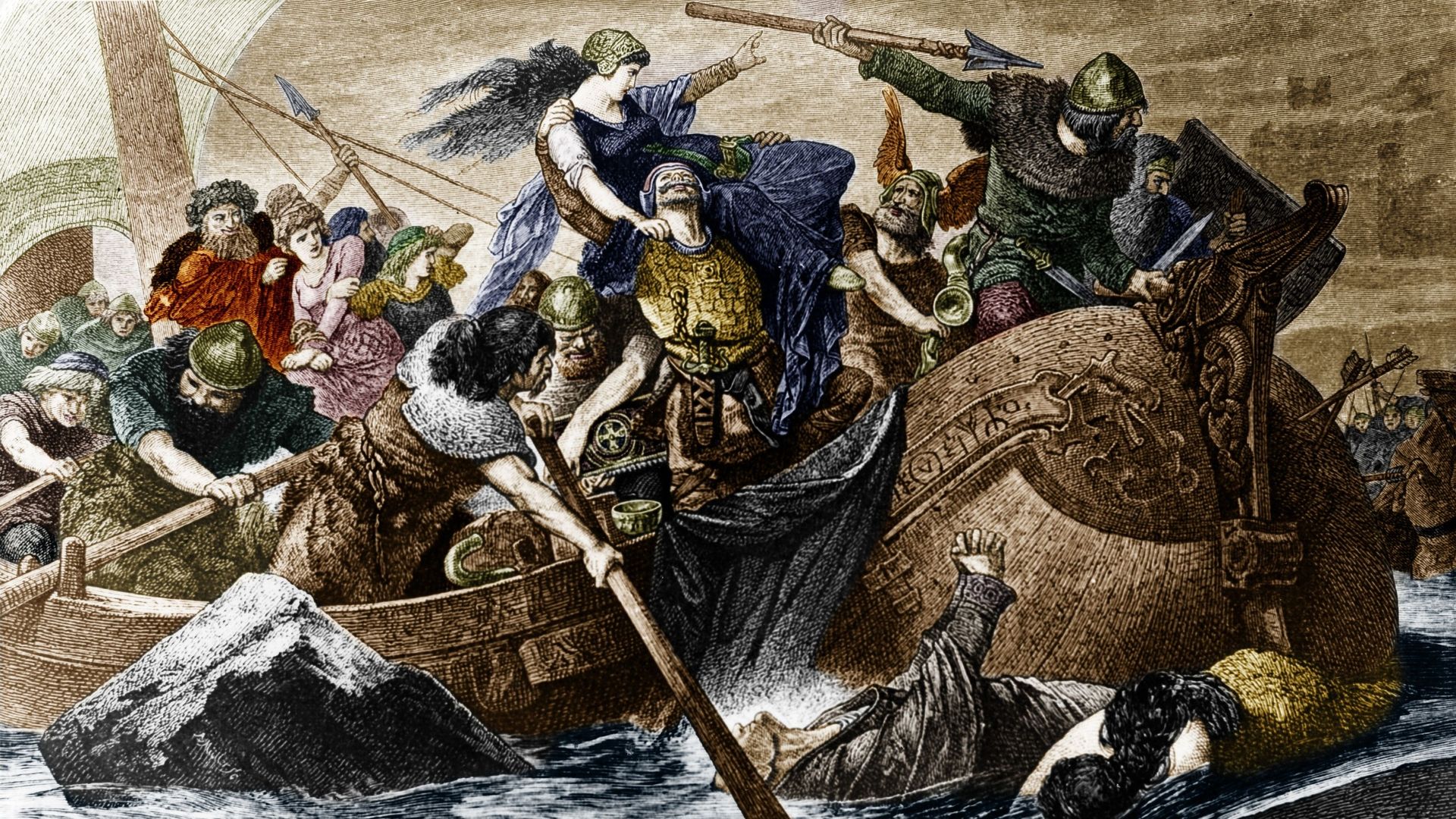
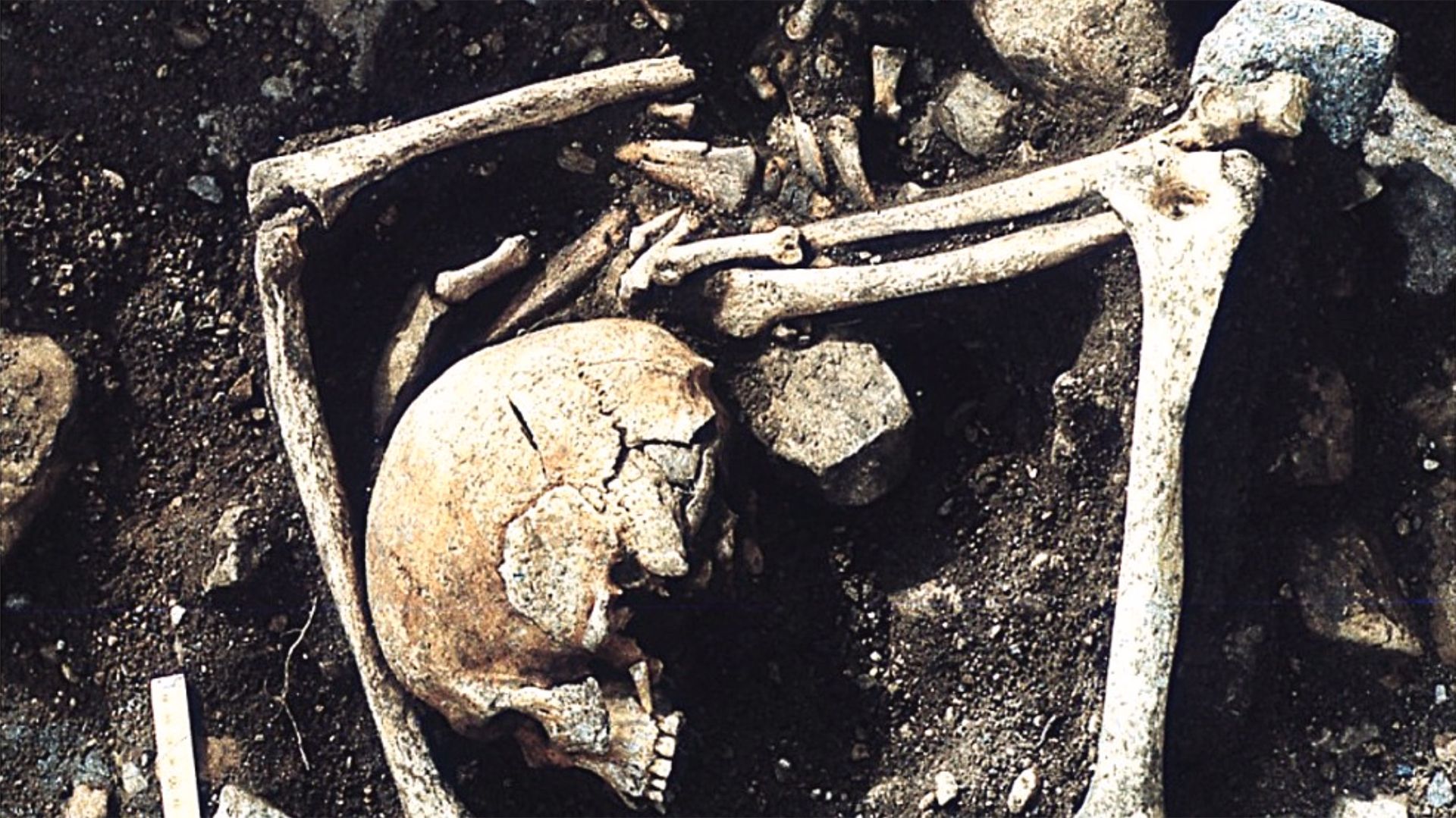
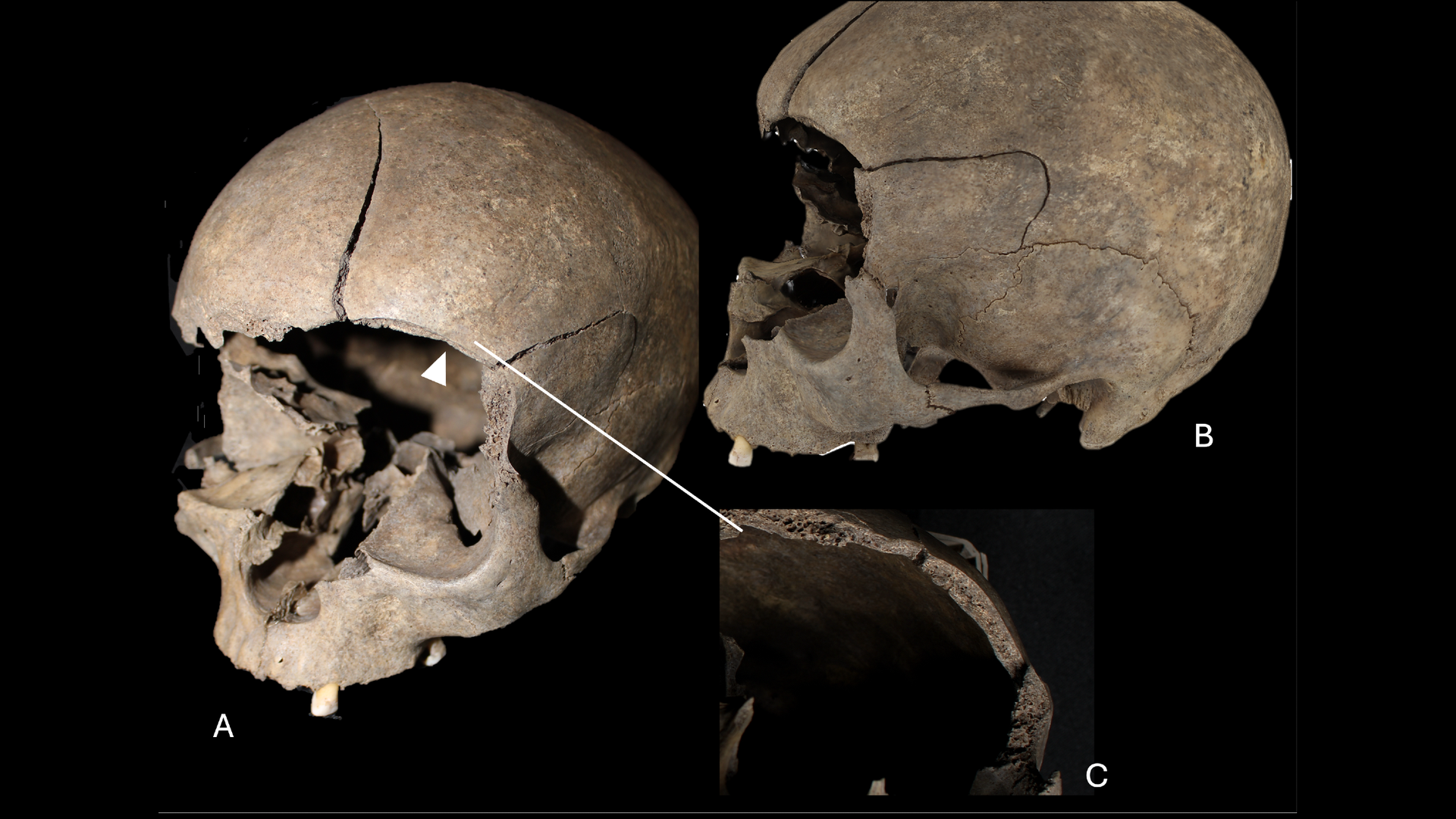
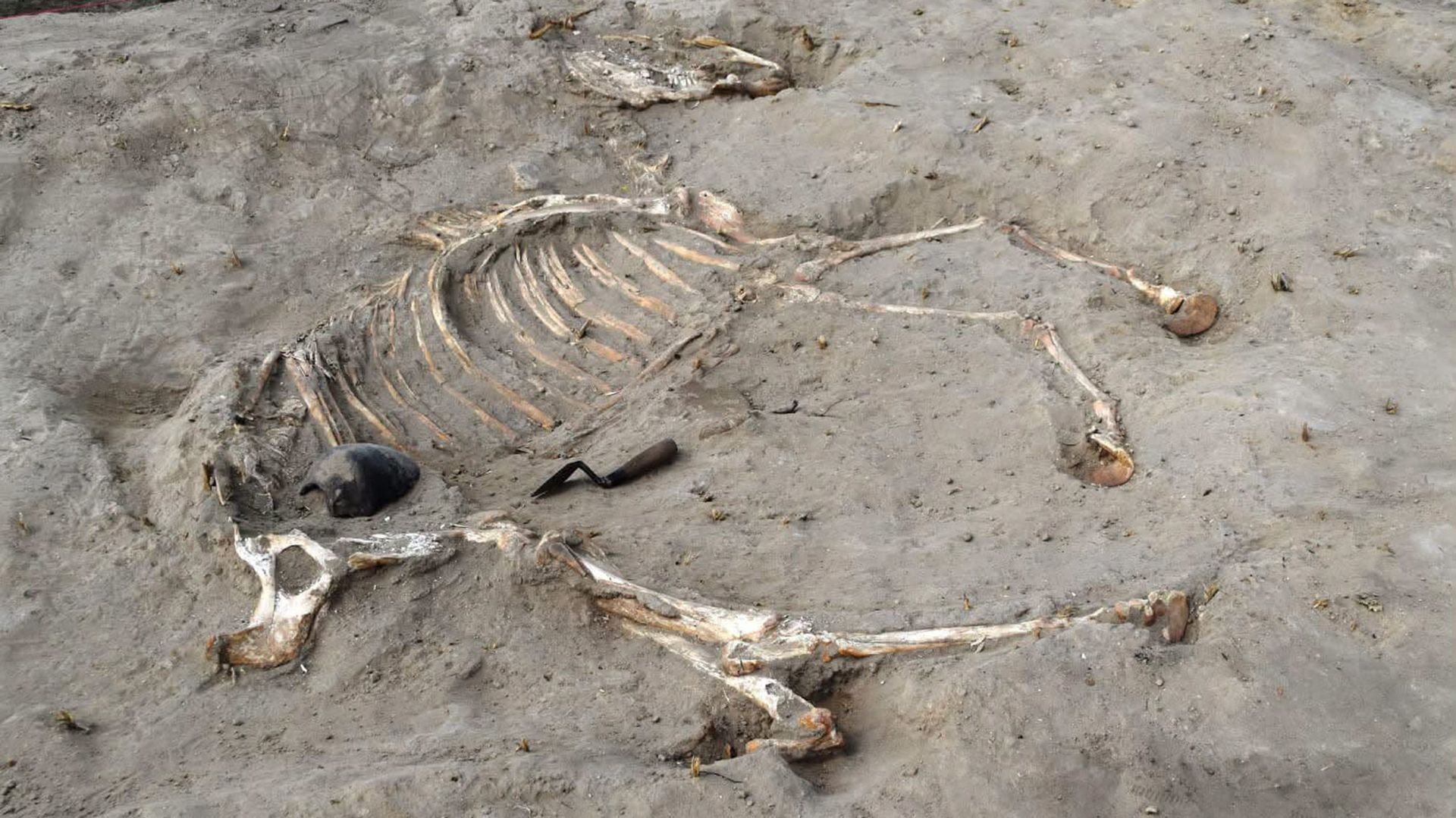
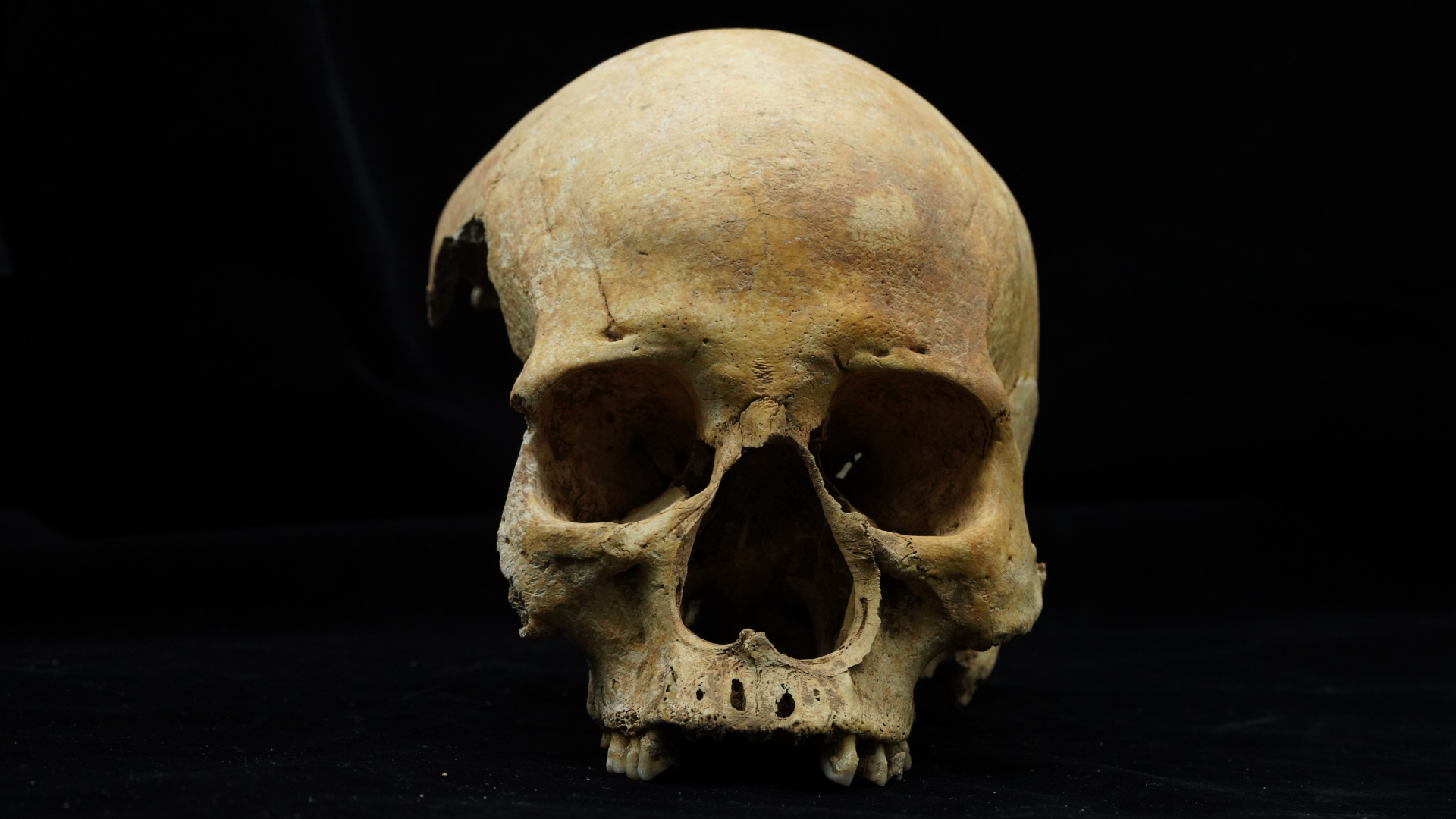
''The back of her head had been removed by a single blow from a sharp blade'': Archaeological clues are revealing the horrific lives and deaths of the people enslaved by Vikings (www.livescience.com)
''It gives us a glimpse of a different kind of Viking life'': Archaeologist Neil Price on the sea-kings, sorcerers and Sámi who lived during the Viking Age (www.livescience.com)
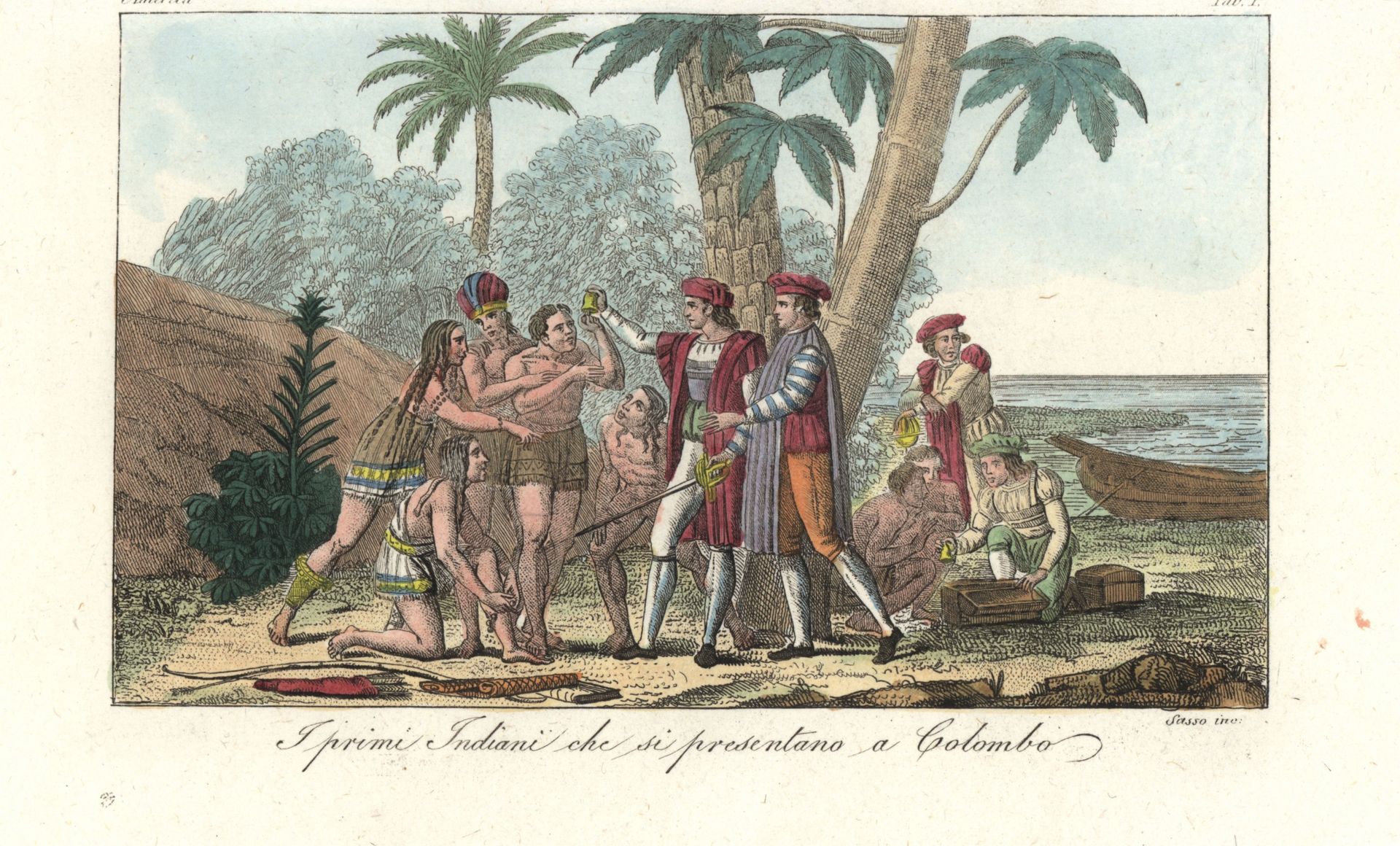
''It could have been a very different history'': Researchers are finally starting to pin down how many Indigenous people were living in the Americas when Columbus arrived (www.livescience.com)
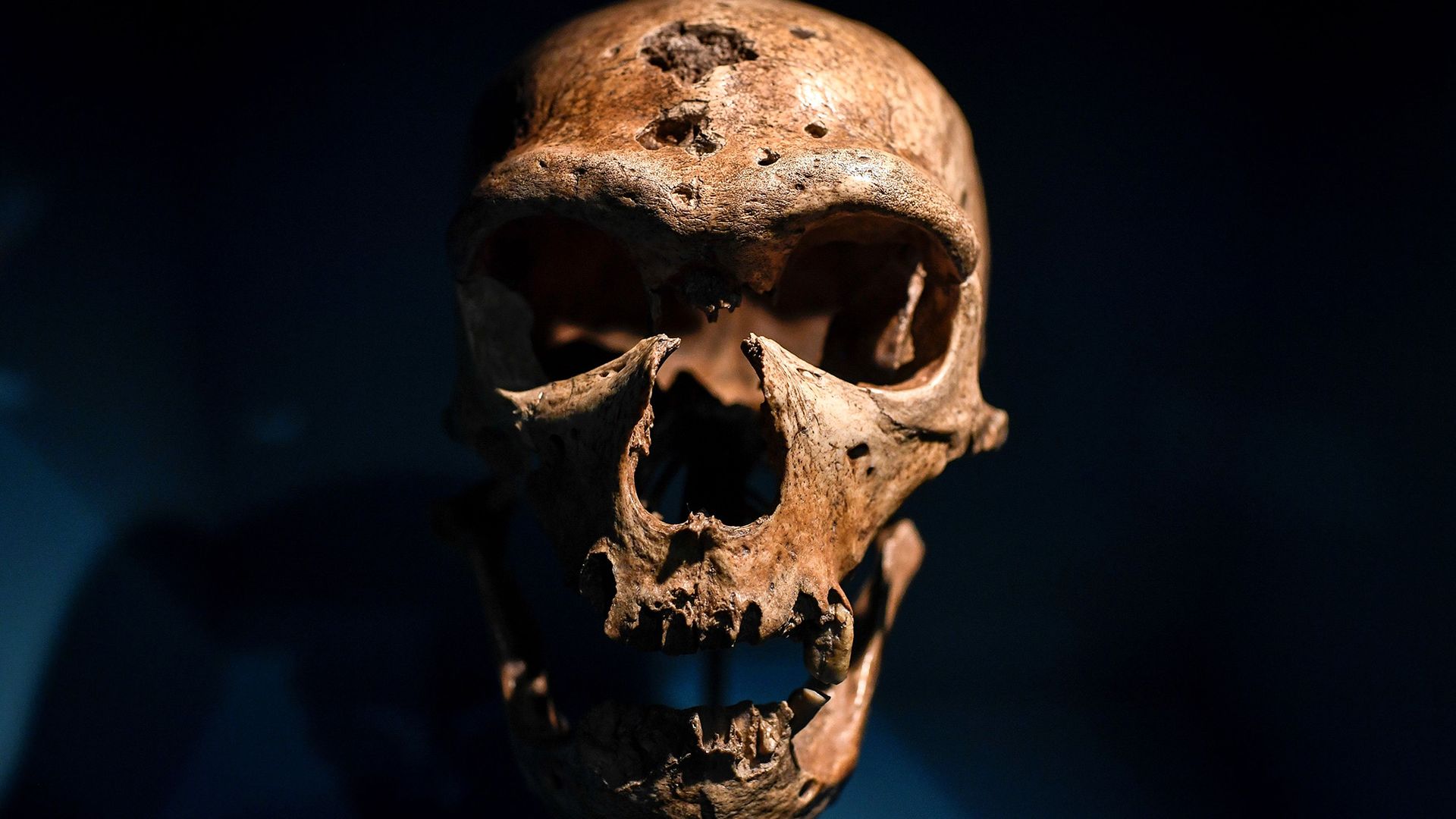
''News reports tweaked the science to speak to contemporary anxieties'': How Neanderthal extinction is a projection of our own, modern fears (www.livescience.com)
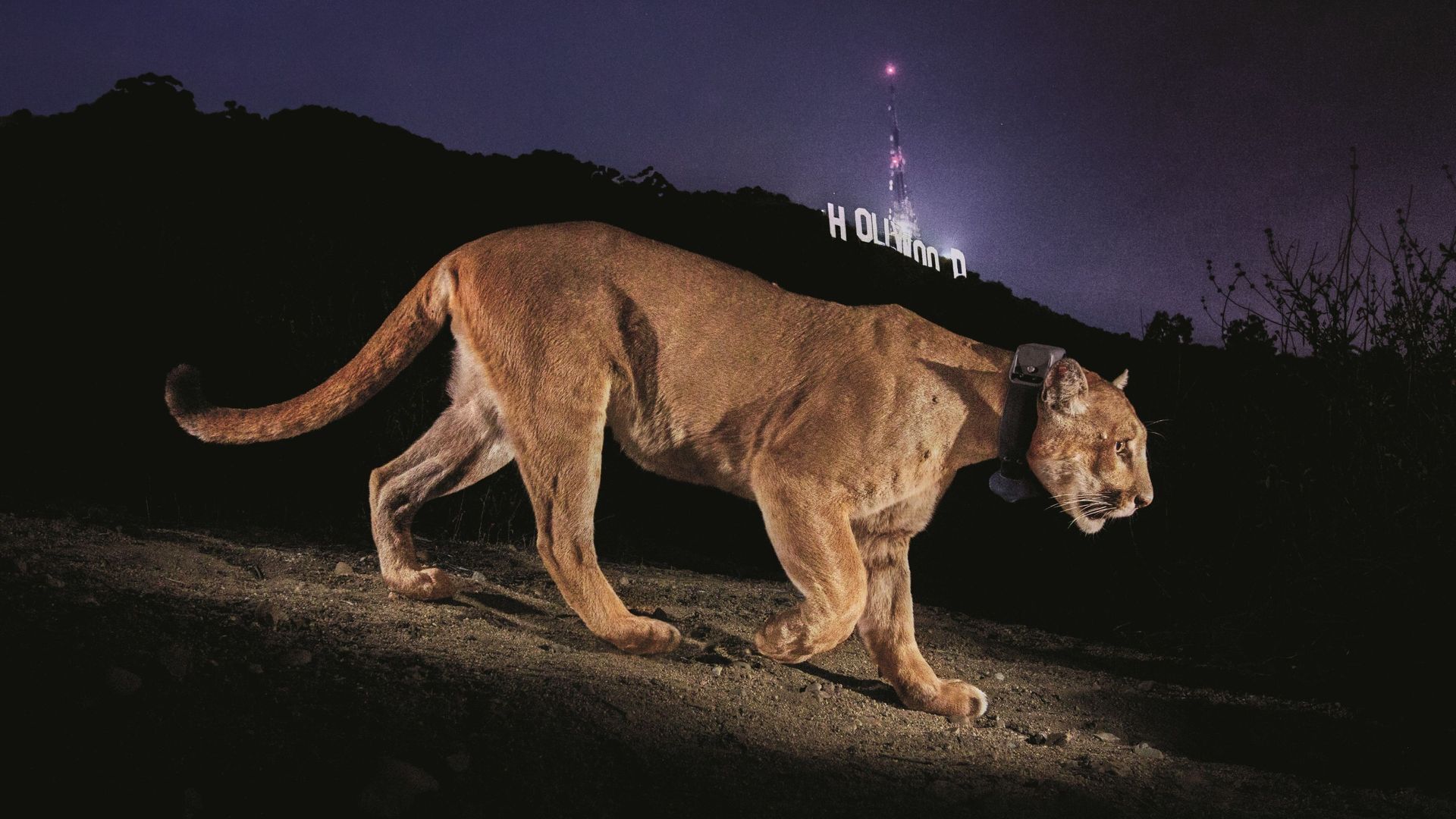
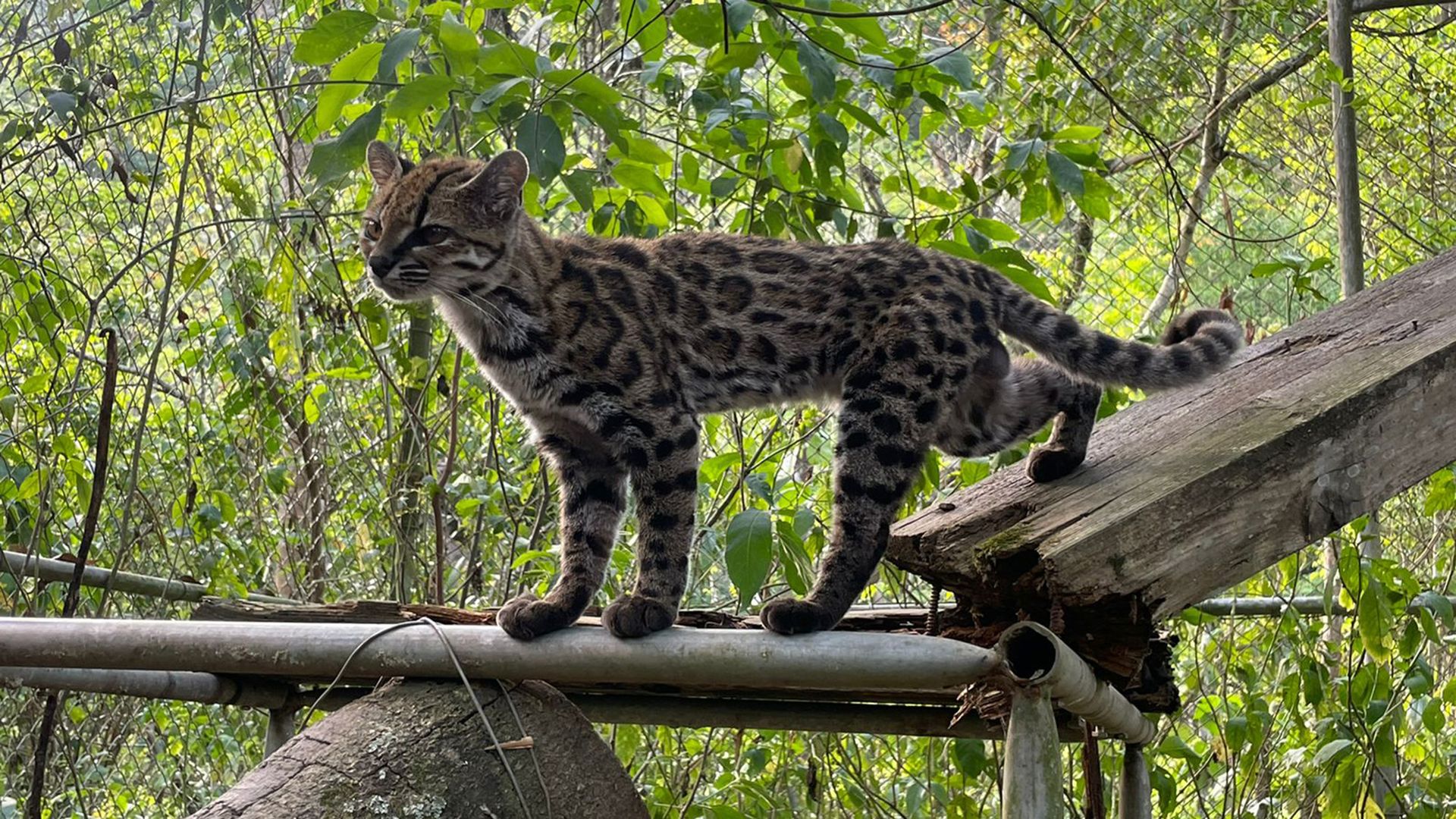
Photojournalist Steve Winter on his iconic Hollywood puma image, the illegal tiger trade and having a black panther knock on his door (www.livescience.com)
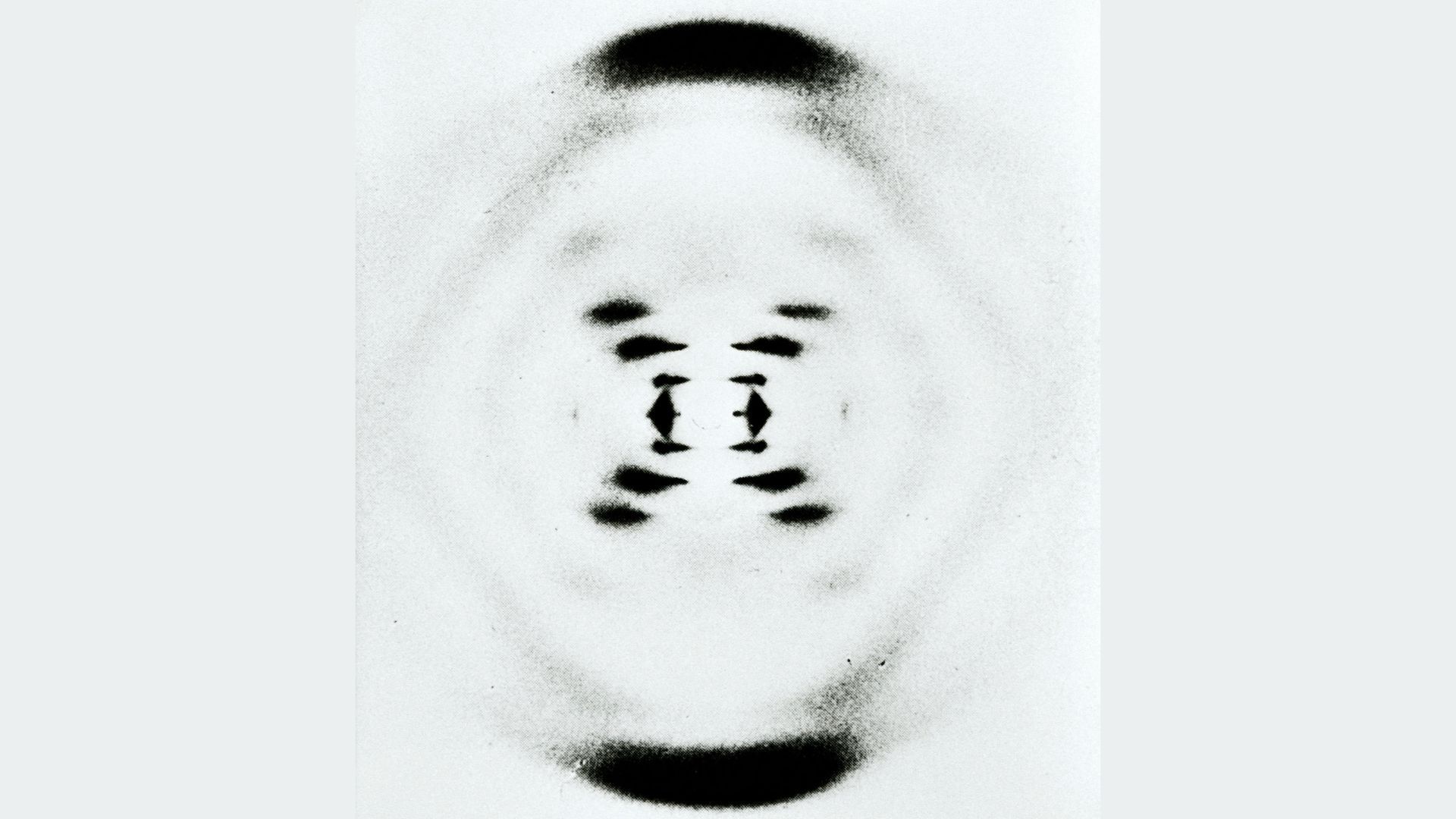
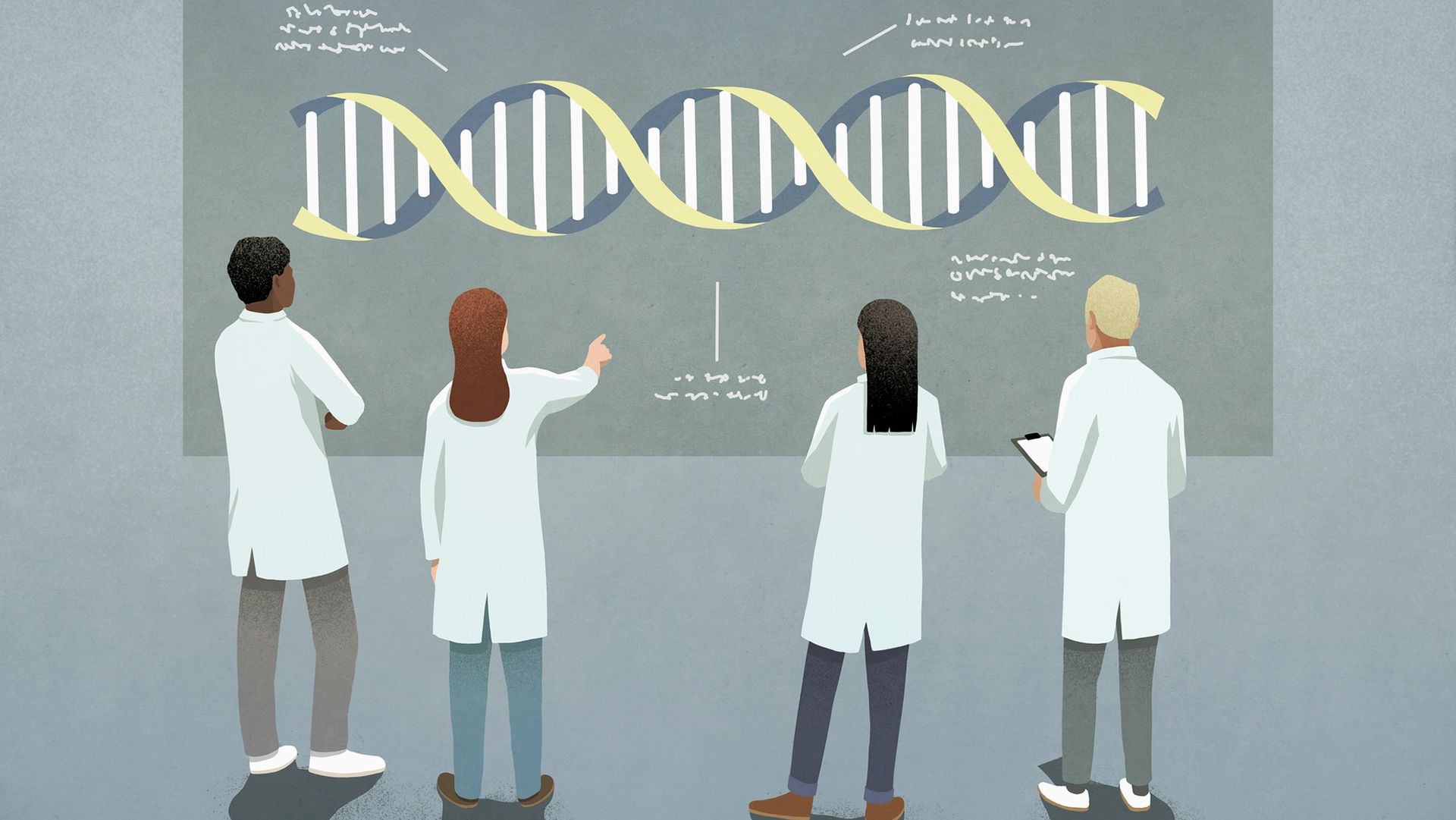
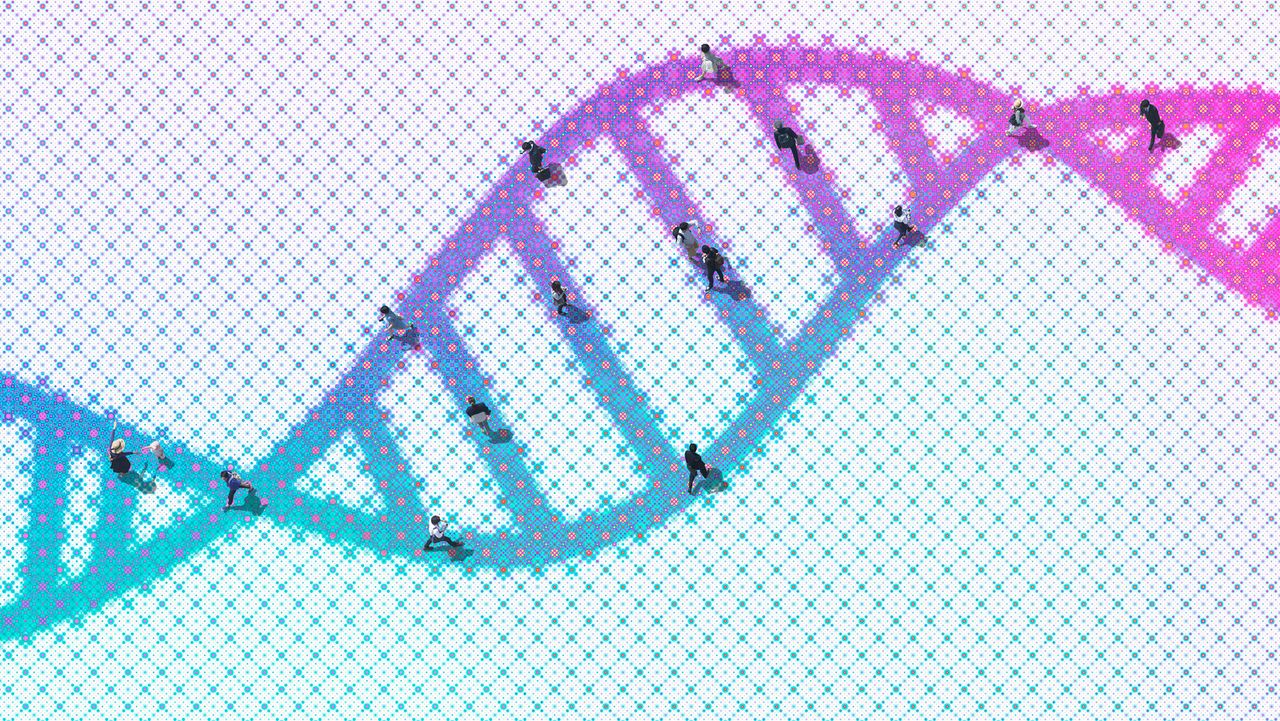
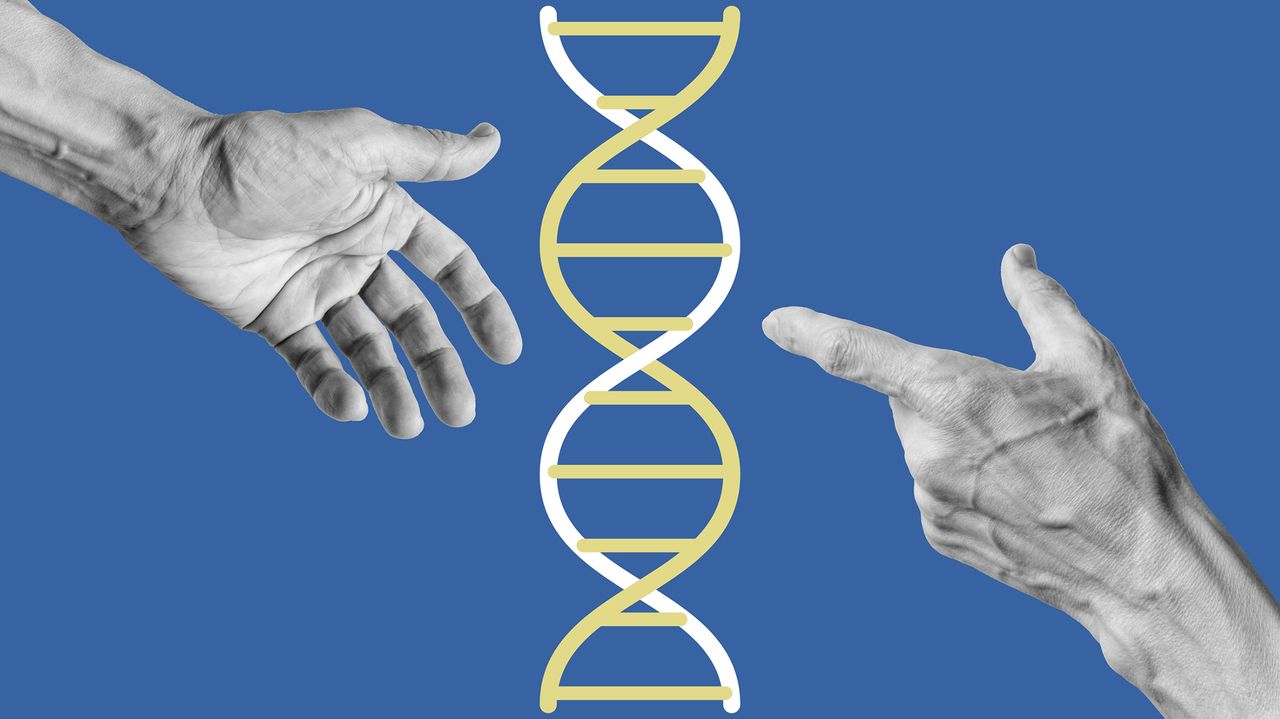
''She knew she had something really important on her hands'': Rosalind Franklin figured out DNA''s helical structure before Watson and Crick, study suggests (www.livescience.com)
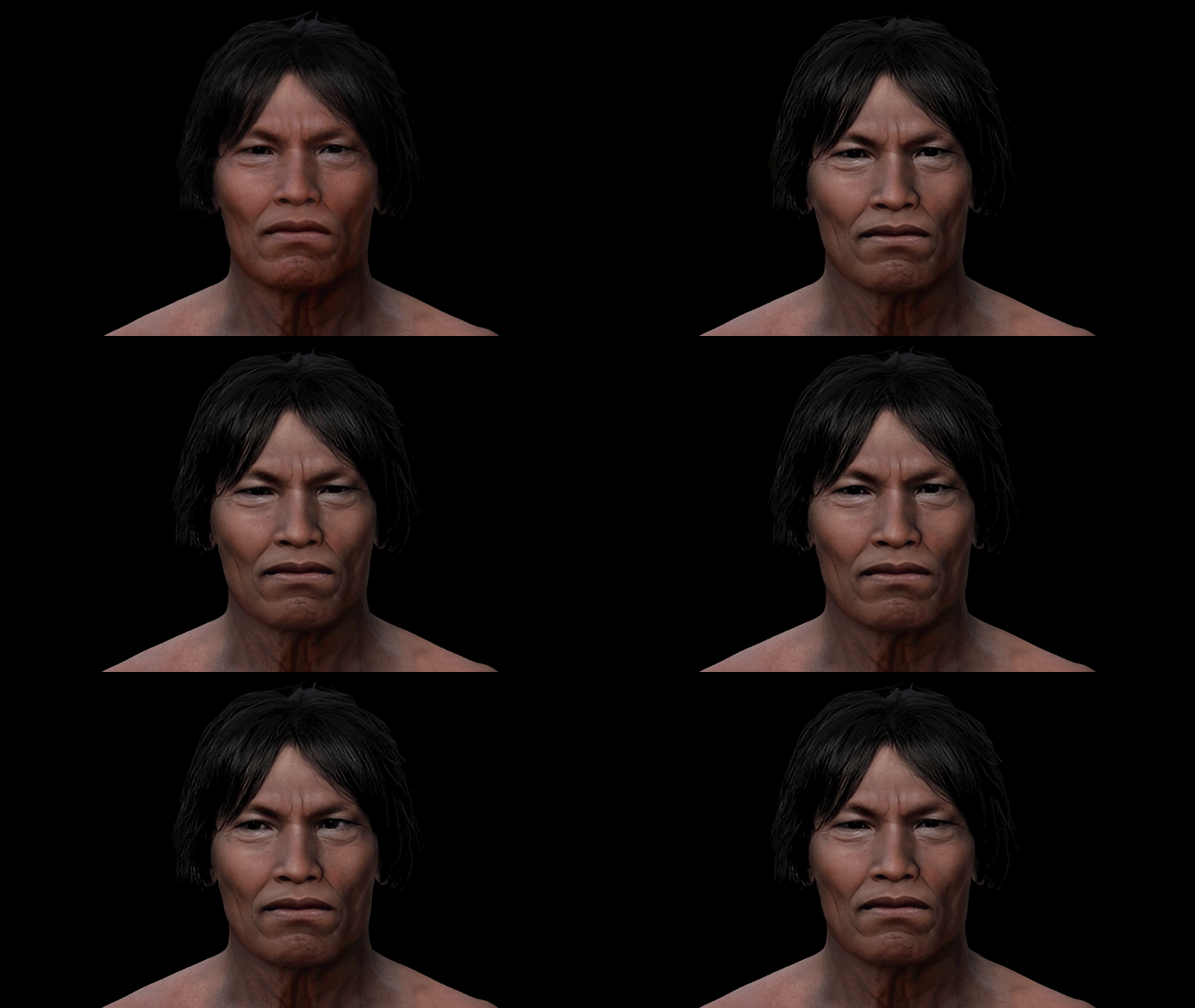
''It''s a portrait of their actual ancestor'': Facial reconstruction of Indigenous man who lived in Ecuador 3,000 years ago shared with his descendants (www.livescience.com)
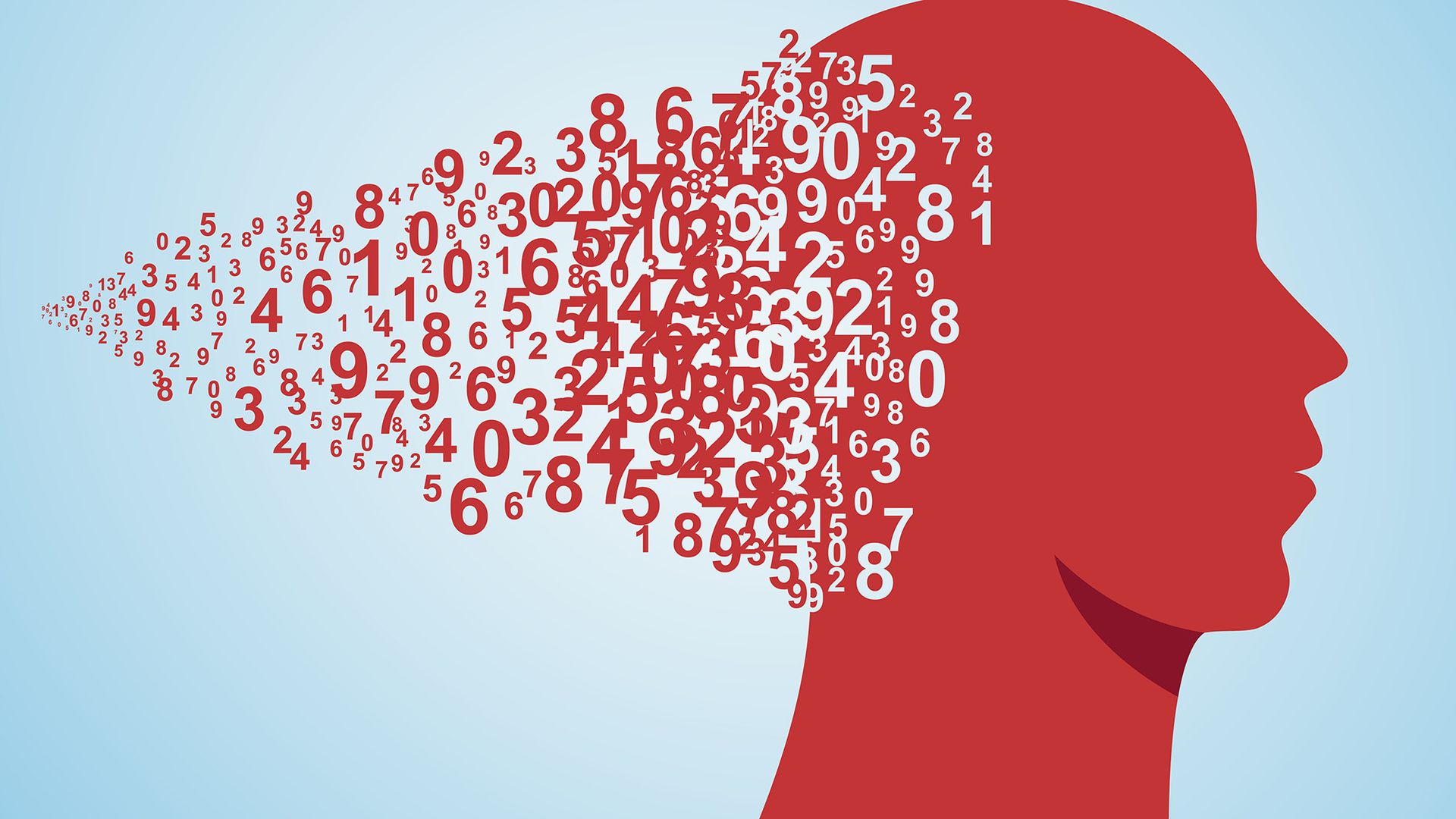
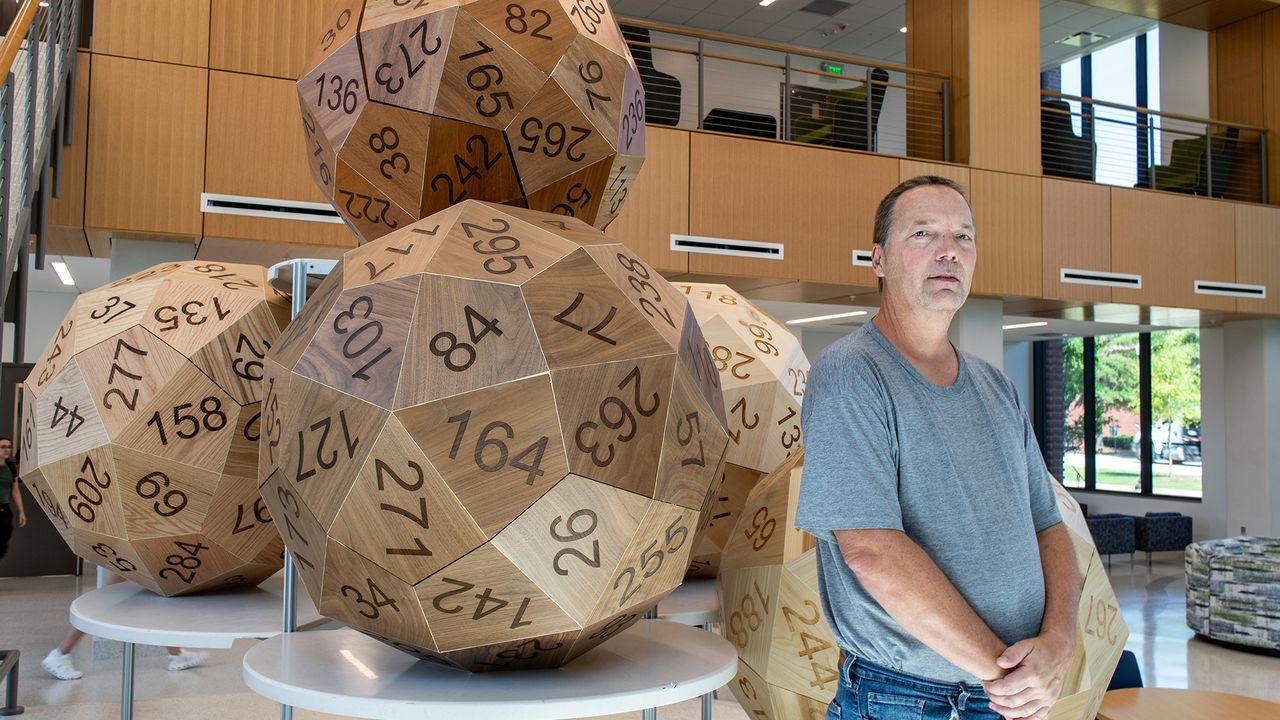
''This is what happened with Claude and me'': AI''s failed attempt to crack the Riemann hypothesis led mathematician to a breakthrough (www.livescience.com)
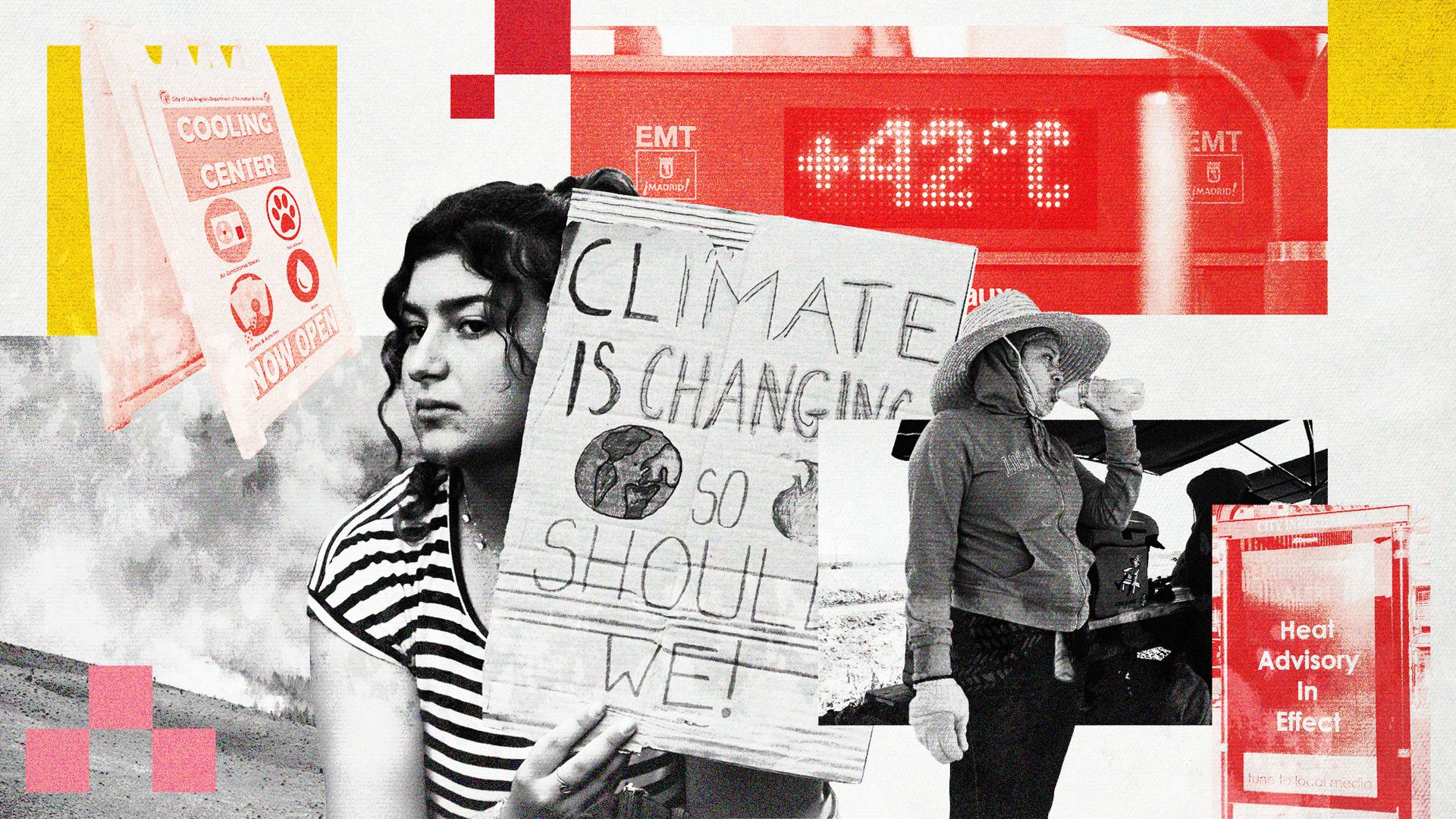
''We''re rapidly running out of time'': 7 of Earth''s 9 life support systems already breached, and the situation is getting worse, report warns (www.livescience.com)
''The right diagnosis is unbelievably powerful'': It can take years to diagnose rare diseases, and scientists are trying to fix that (www.livescience.com)
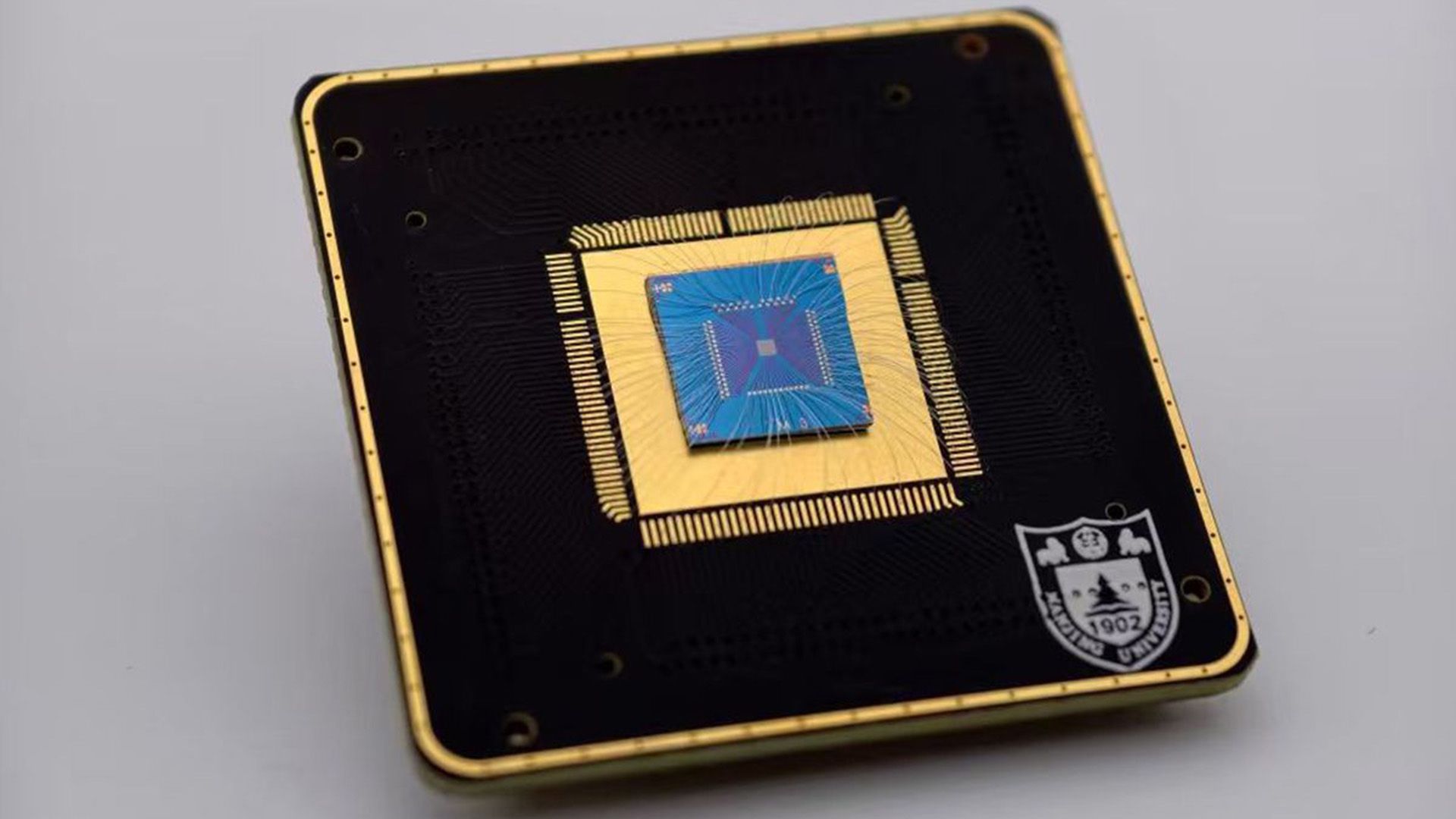
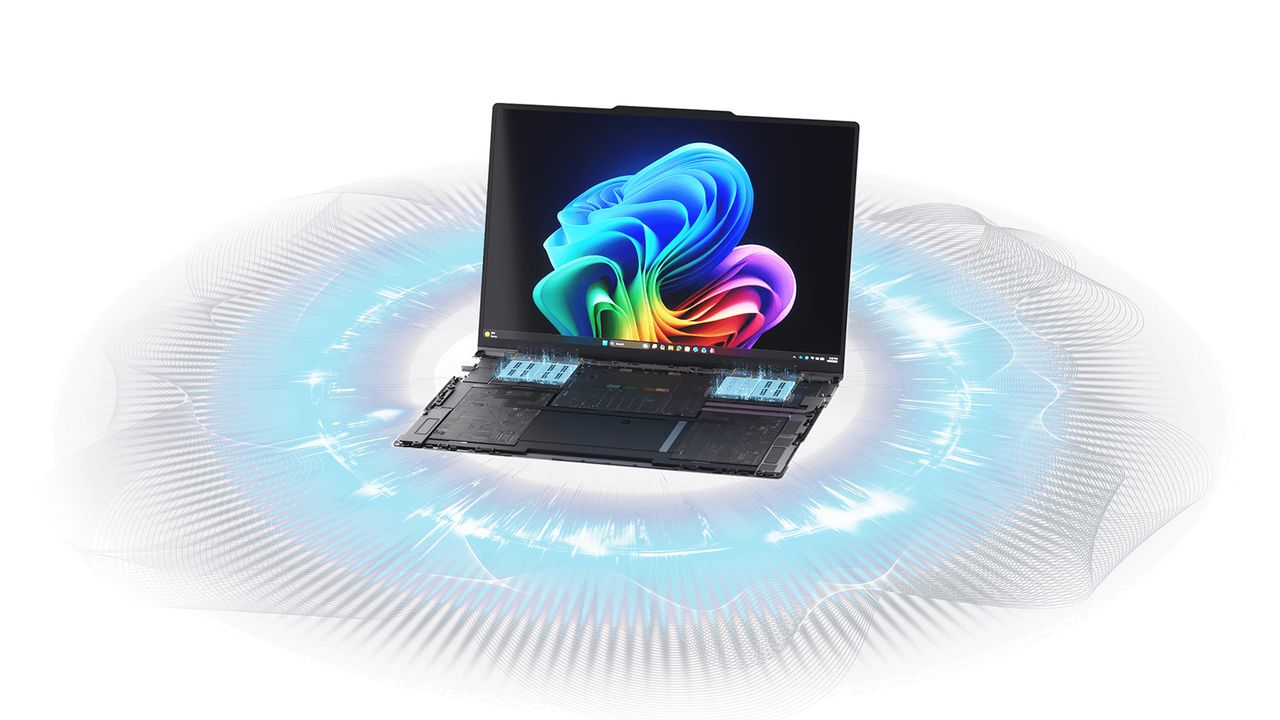
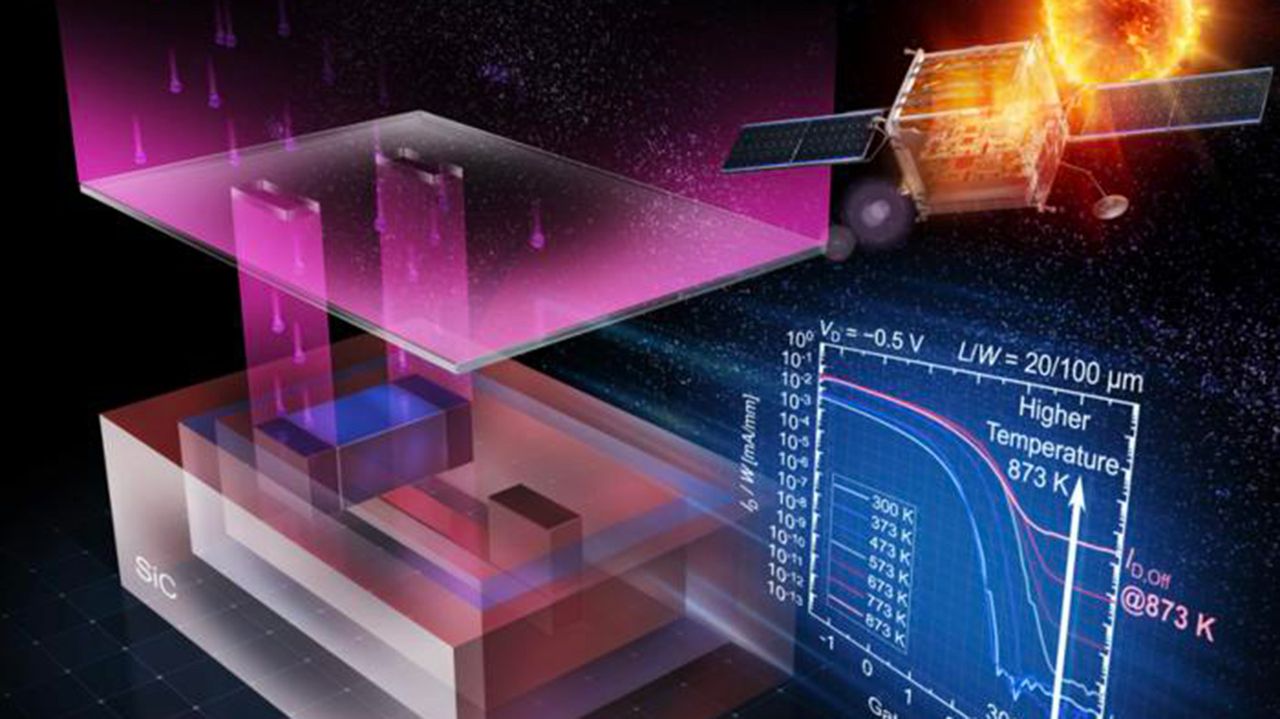
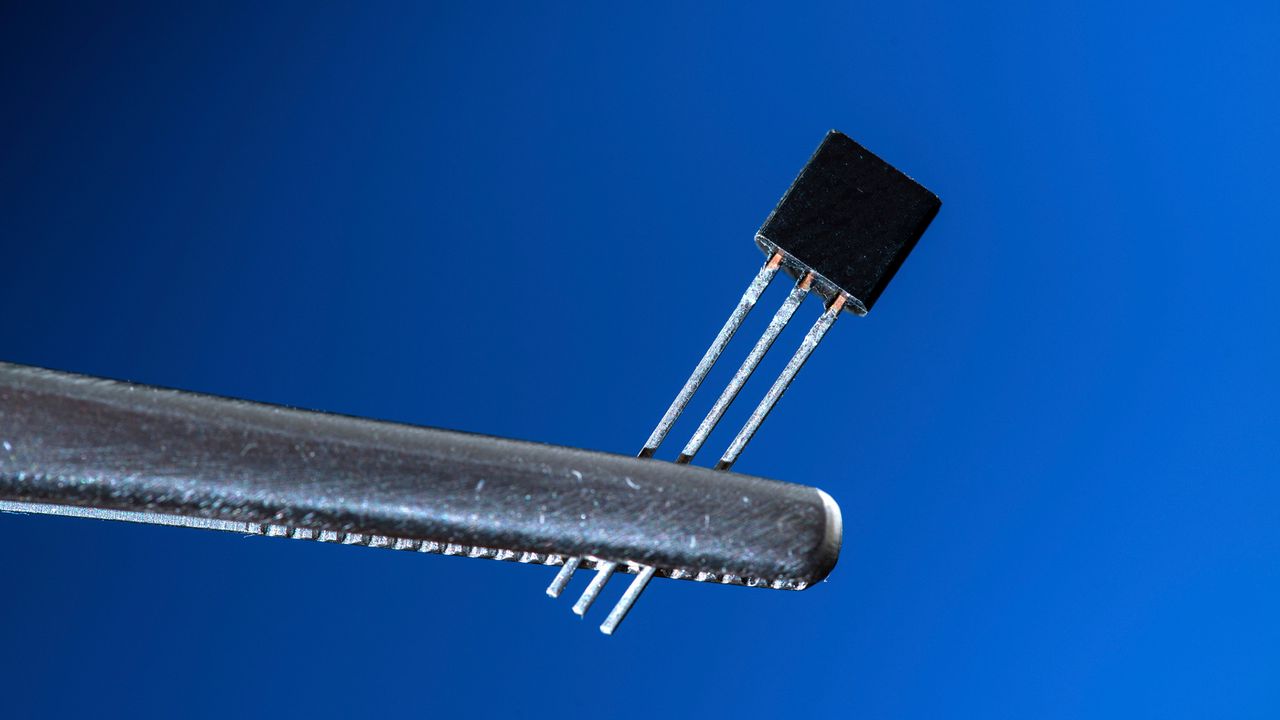
New kind of AI audio chip transforms earbuds into always-on ''intelligent'' devices that run without a smartphone. How does it work? (www.livescience.com)
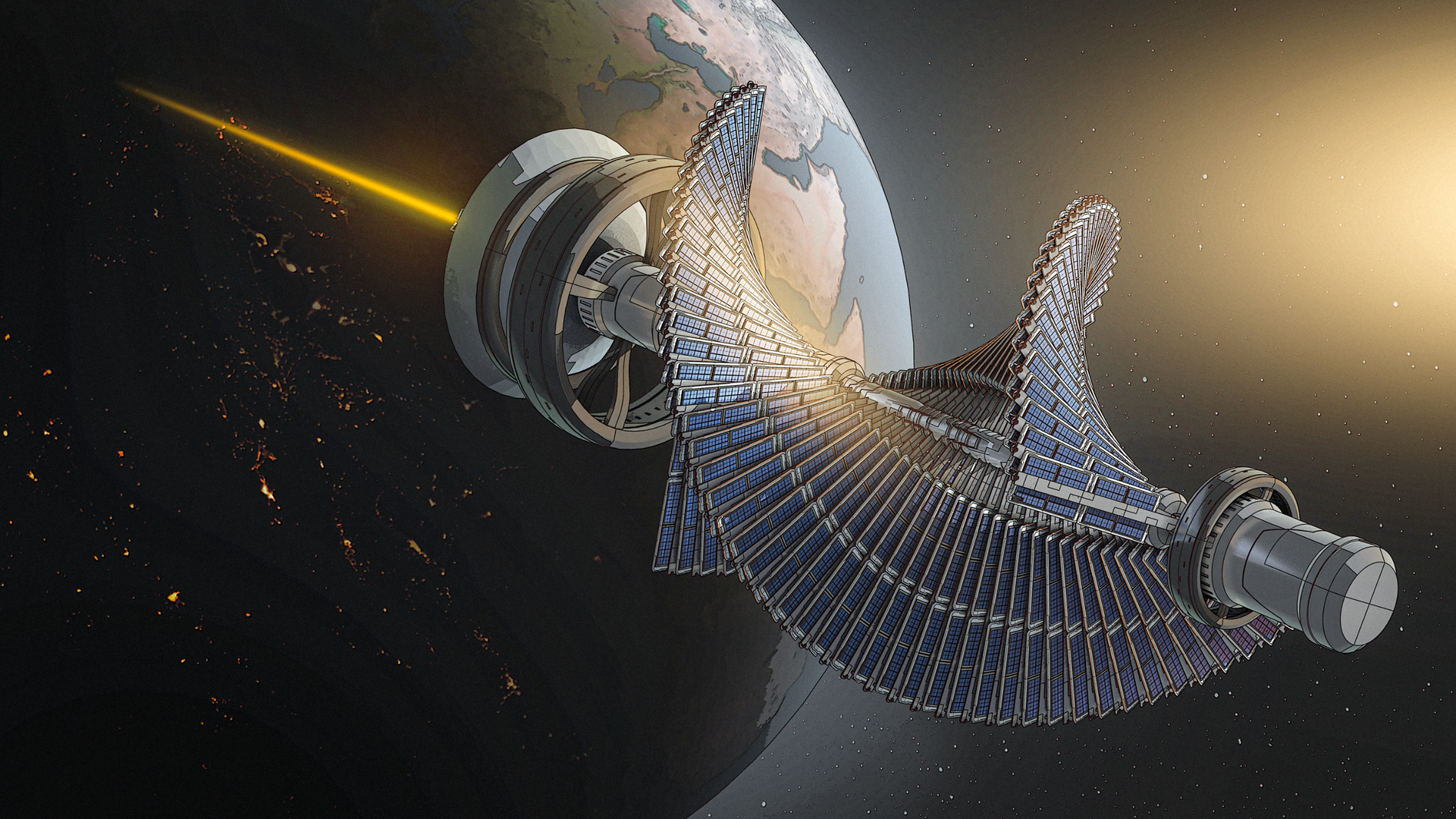
''Everything we know about space travel is going to change within a decade'': The fusion breakthrough that could unlock a path to the stars (www.livescience.com)
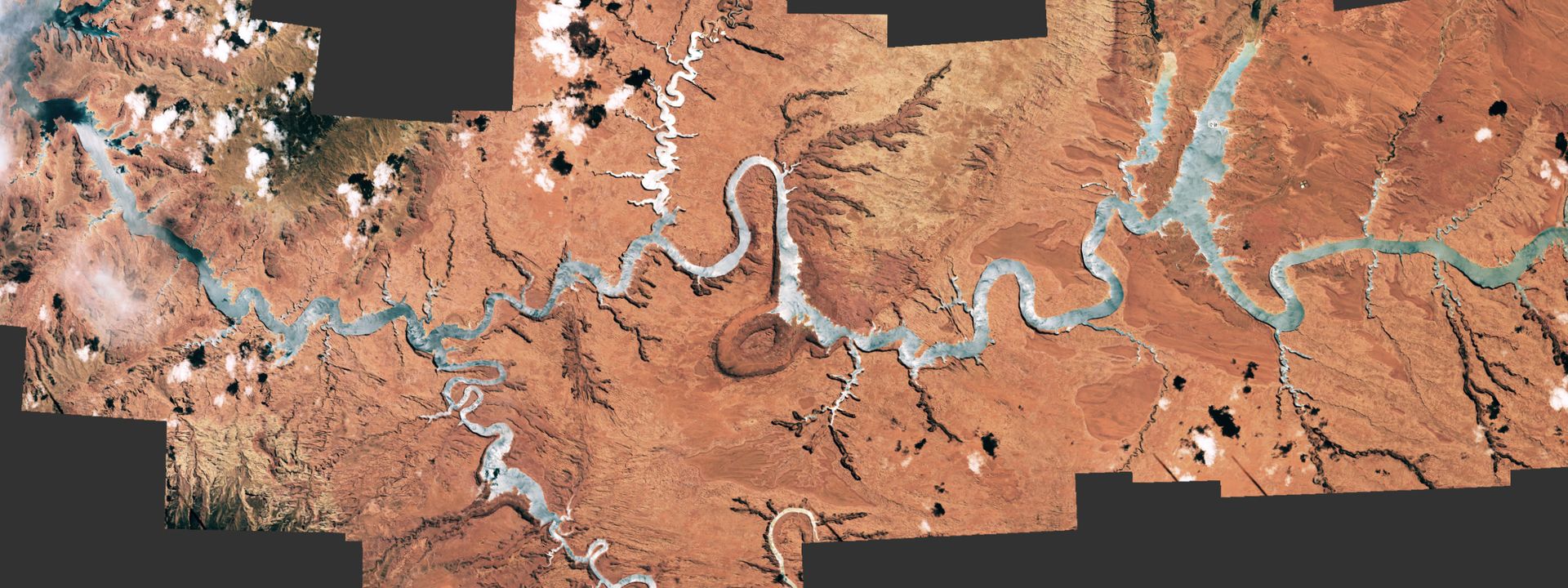
''It has become very dire in a lot of places'': New map reveals exactly where humans are adding and removing precious fresh water on Earth (www.livescience.com)
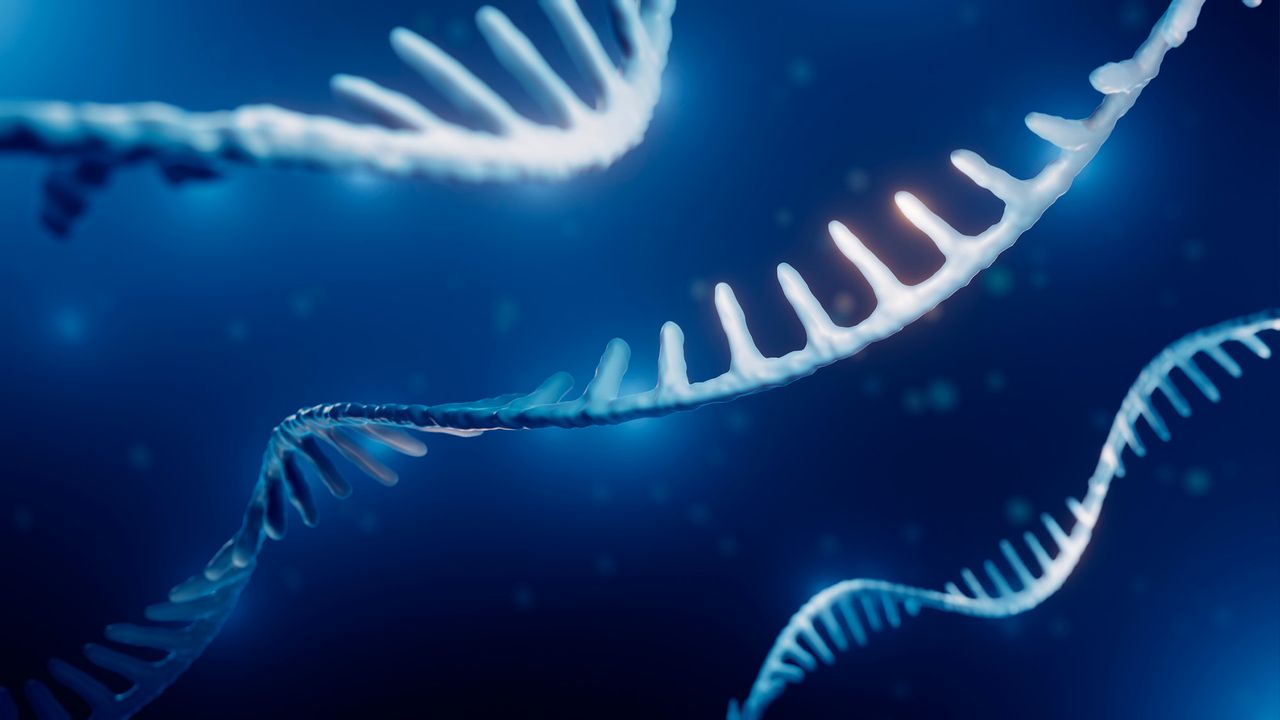
Google DeepMind''s latest AI tool promises a new era for genetics research, but experts warn to take its predictions with caution (www.livescience.com)
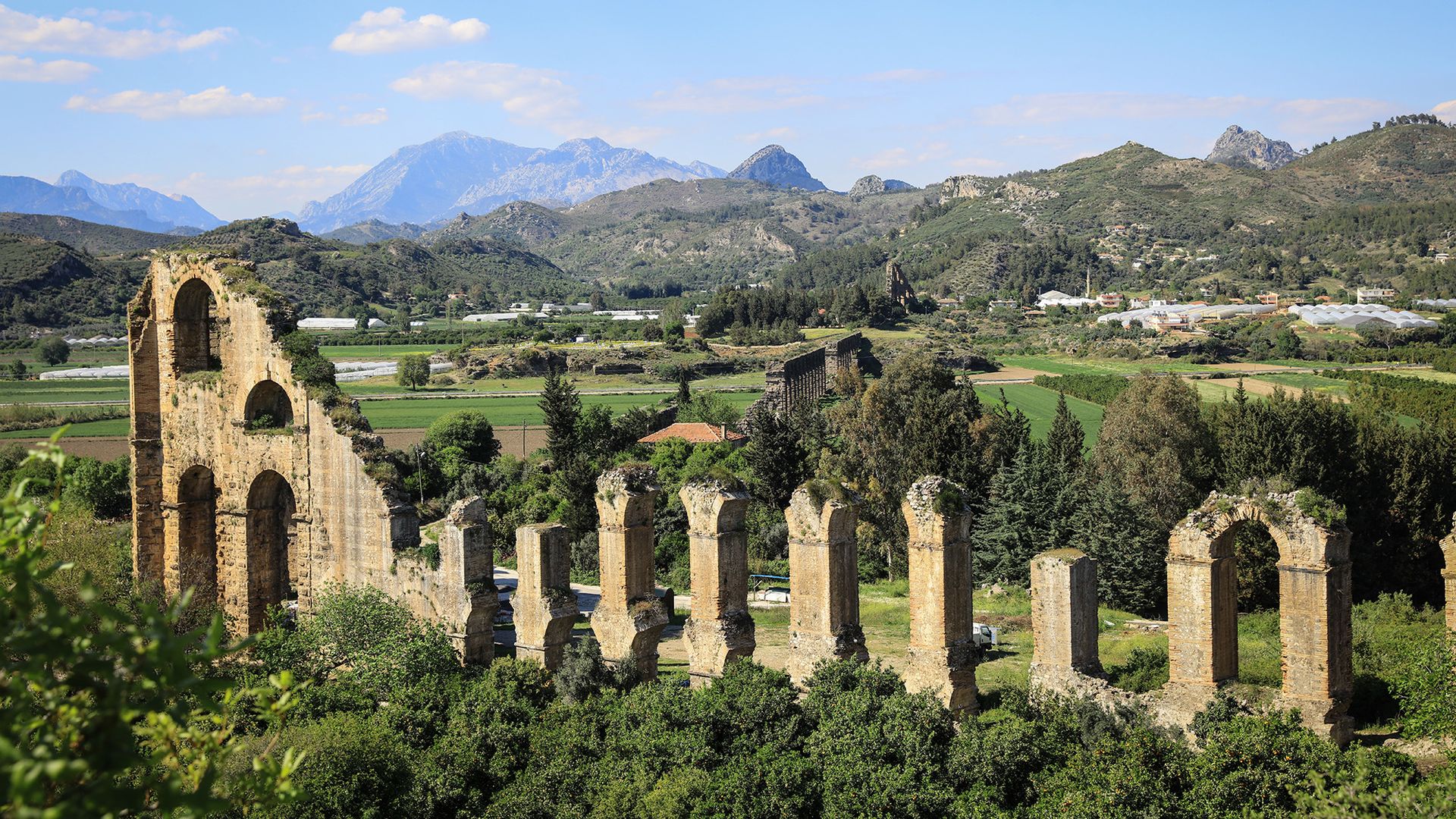
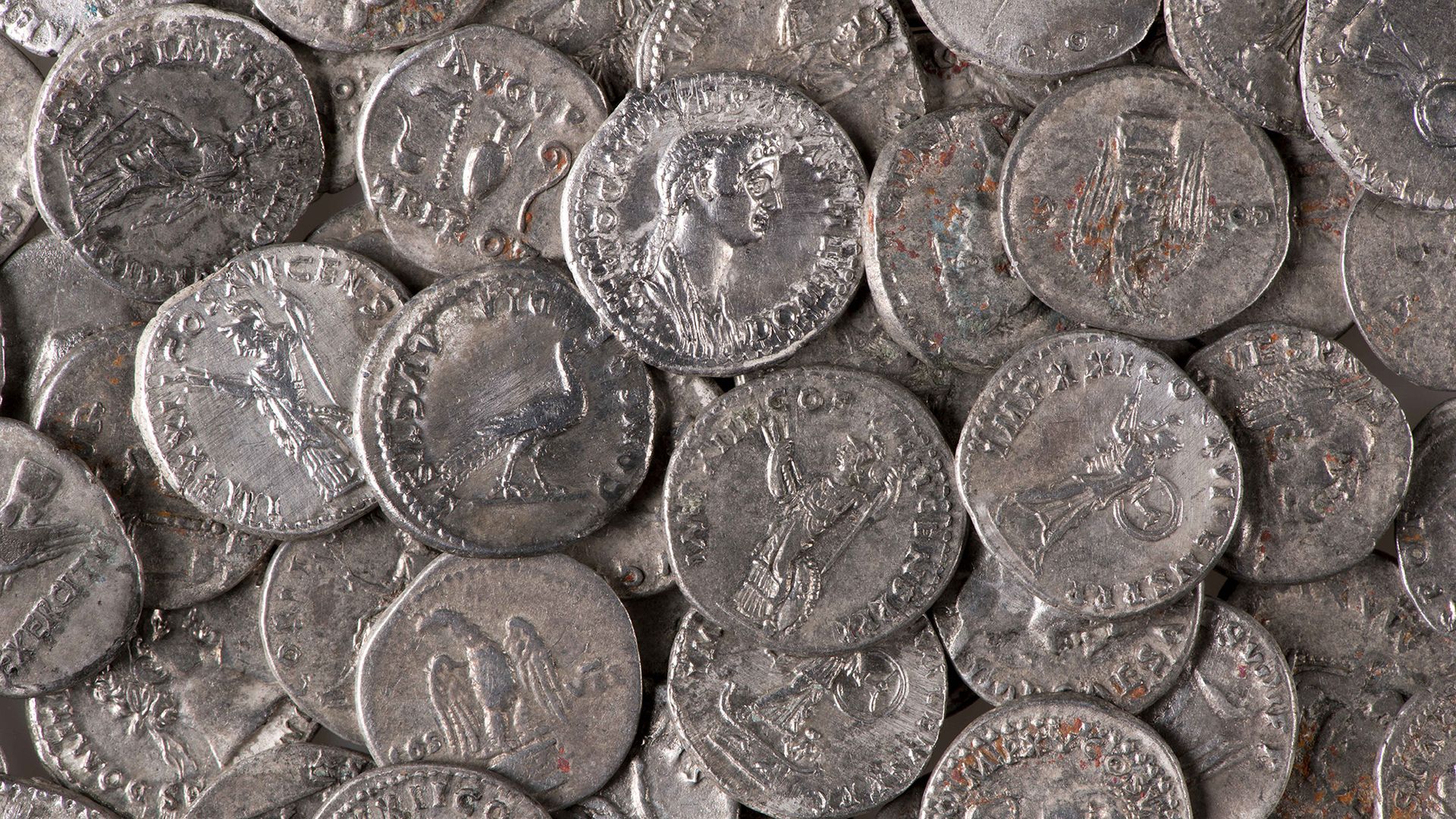
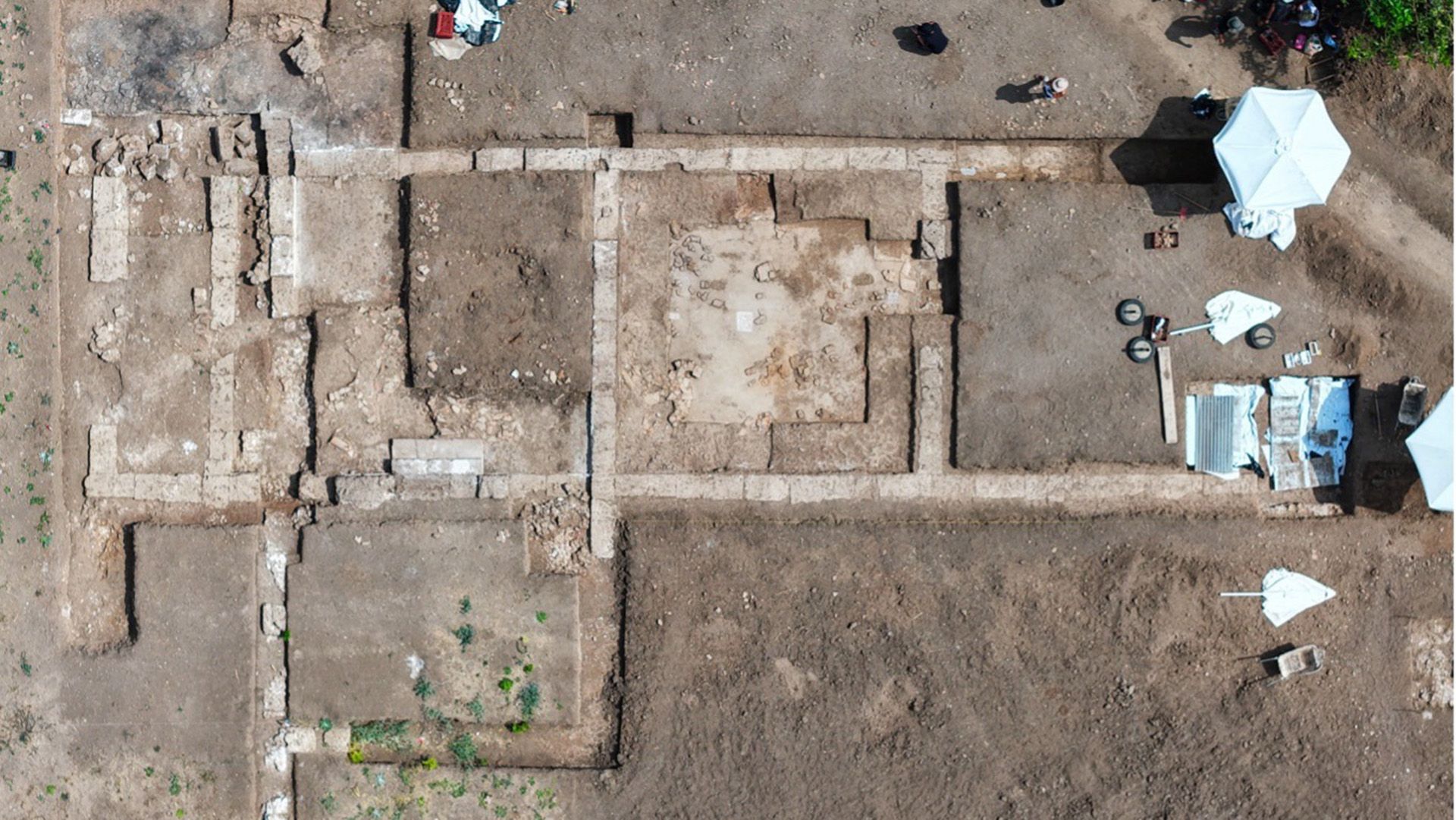
''There was something bigger in the ground here'': Metal detectorist in Germany discovers giant Roman-era hoard from time of emperor Hadrian (www.livescience.com)
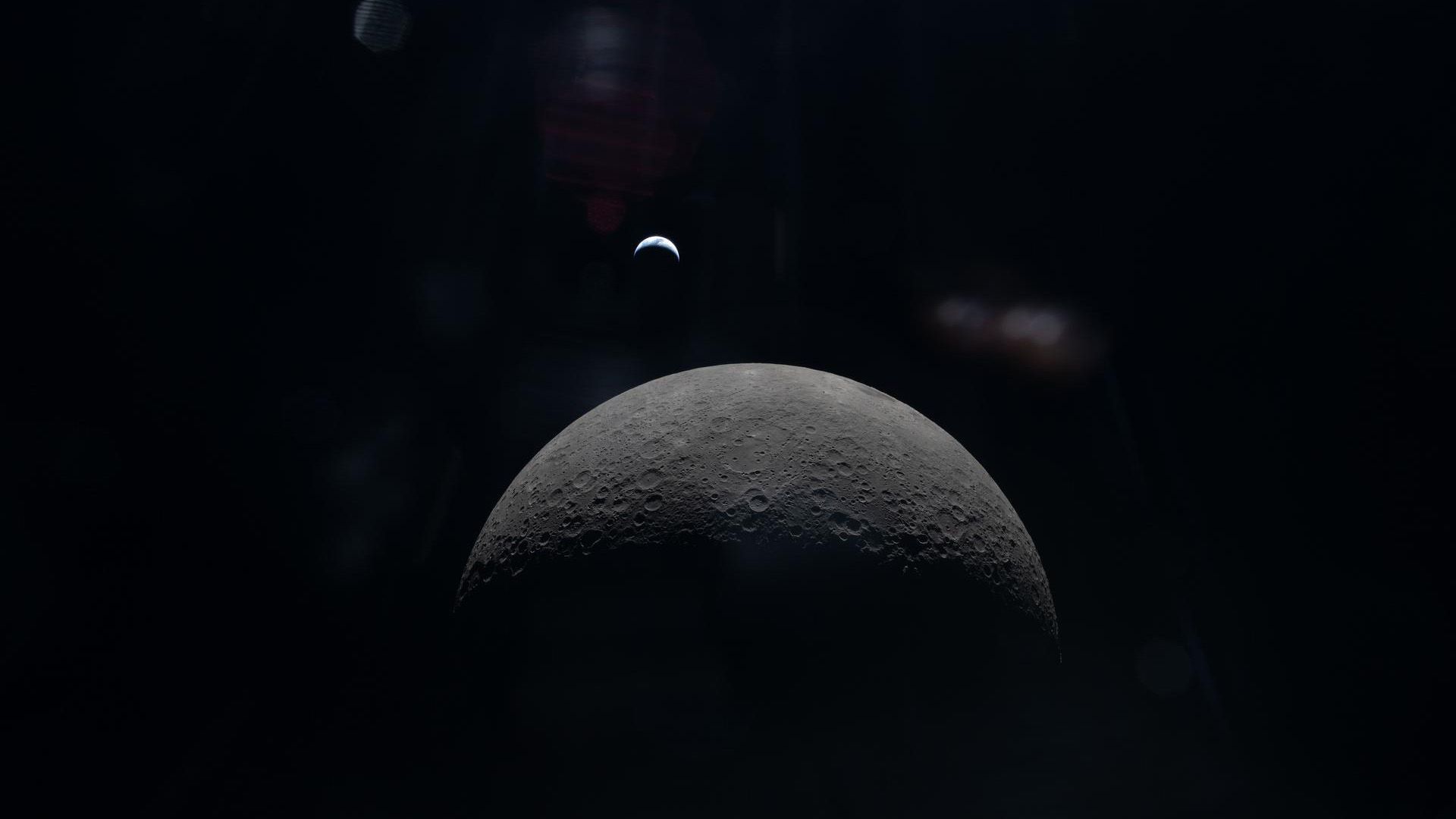
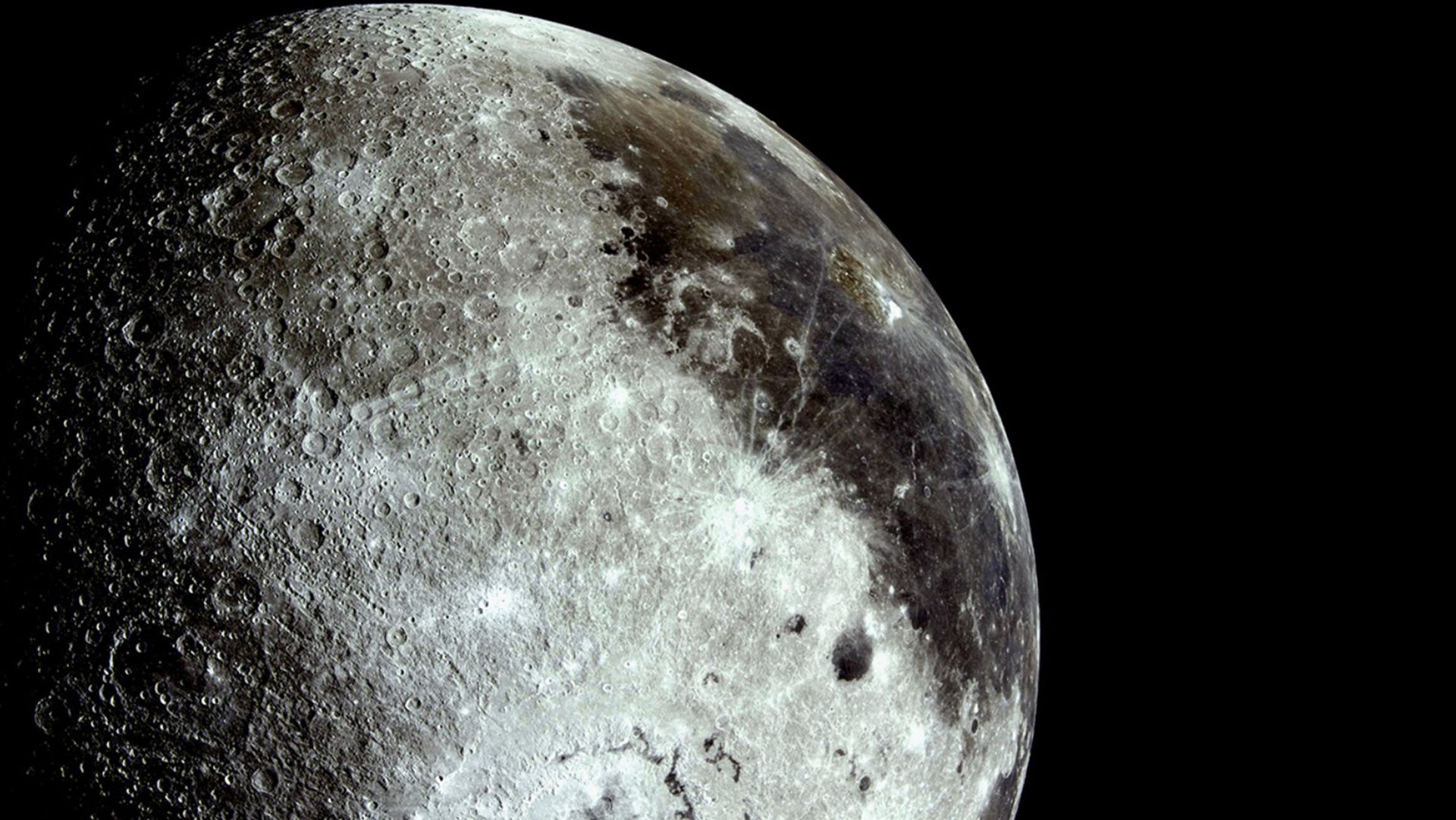
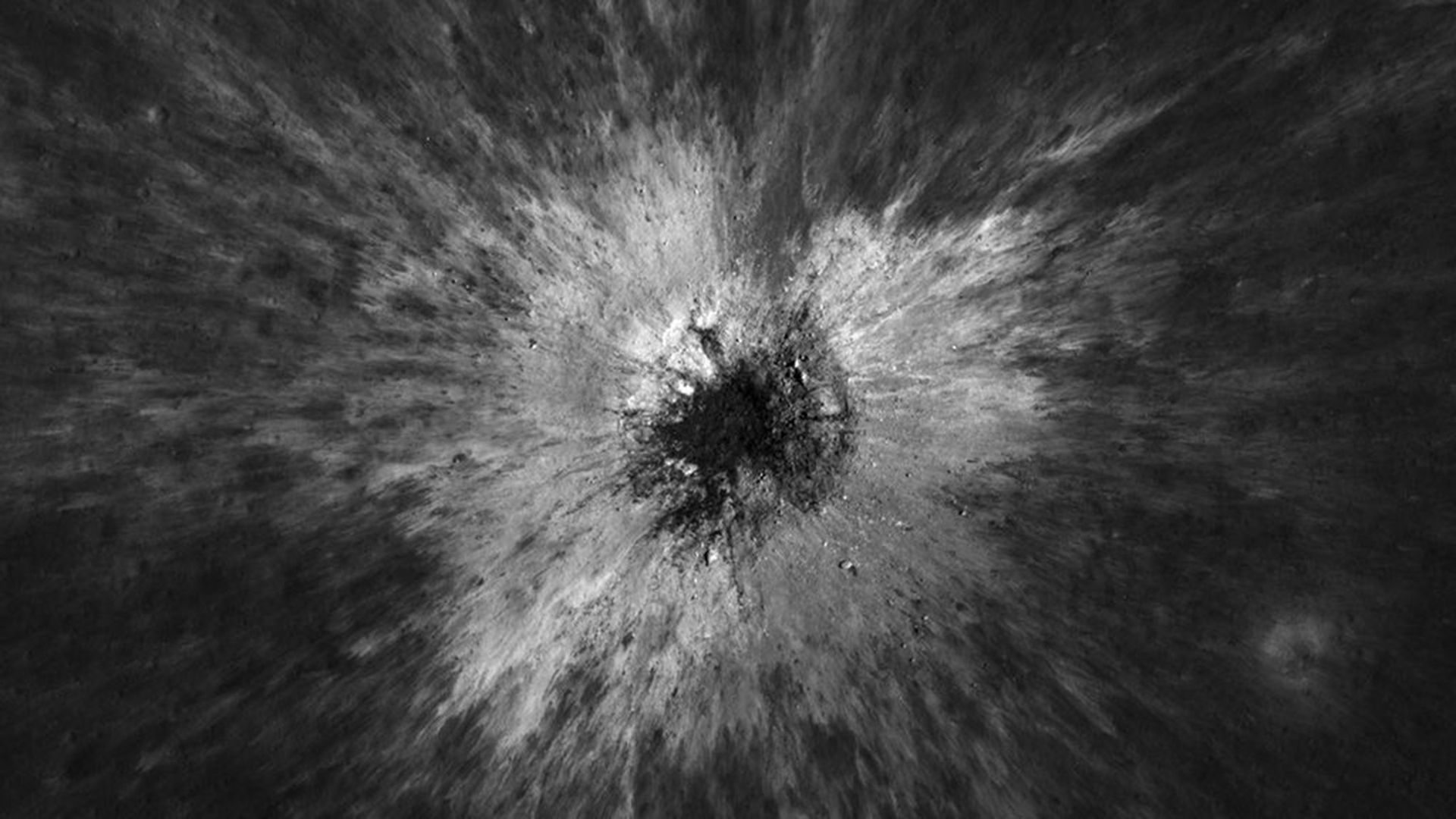
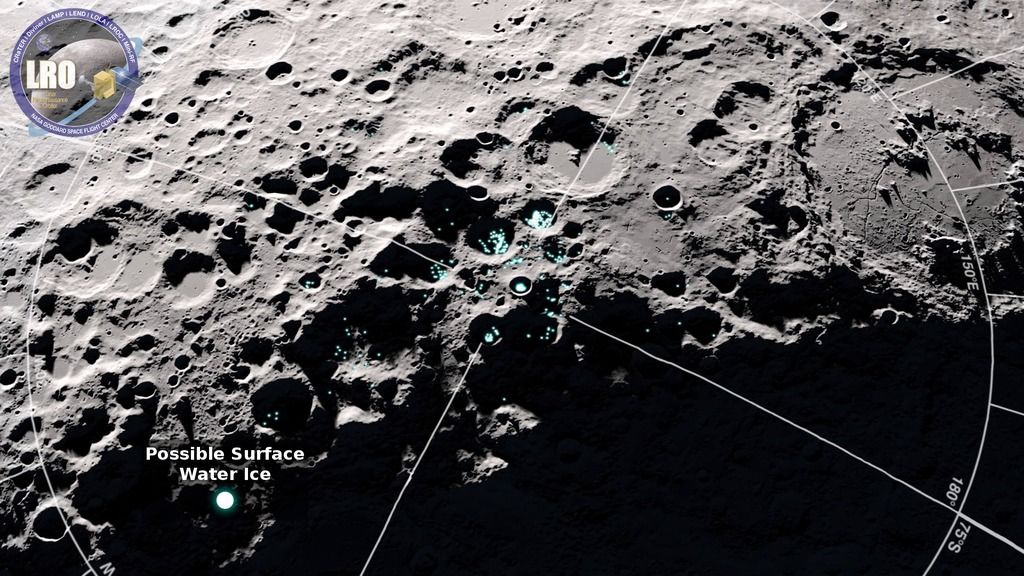
''We only expect to encounter that once every 130 years'': A huge new crater on the moon could mean a giant leap for lunar science, veteran researcher says (www.livescience.com)
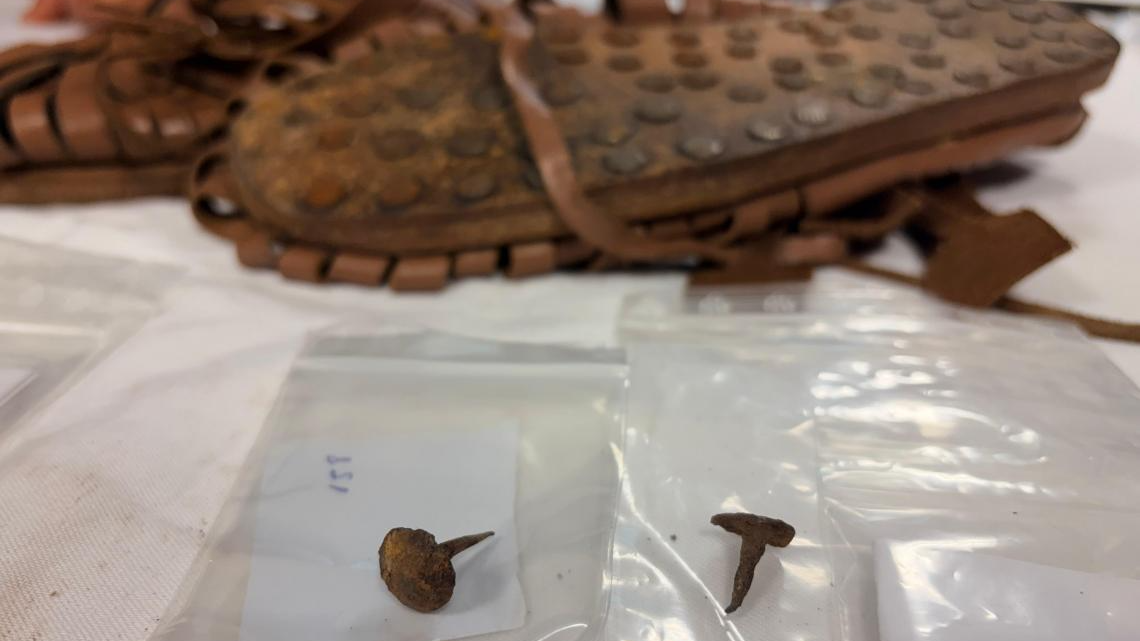
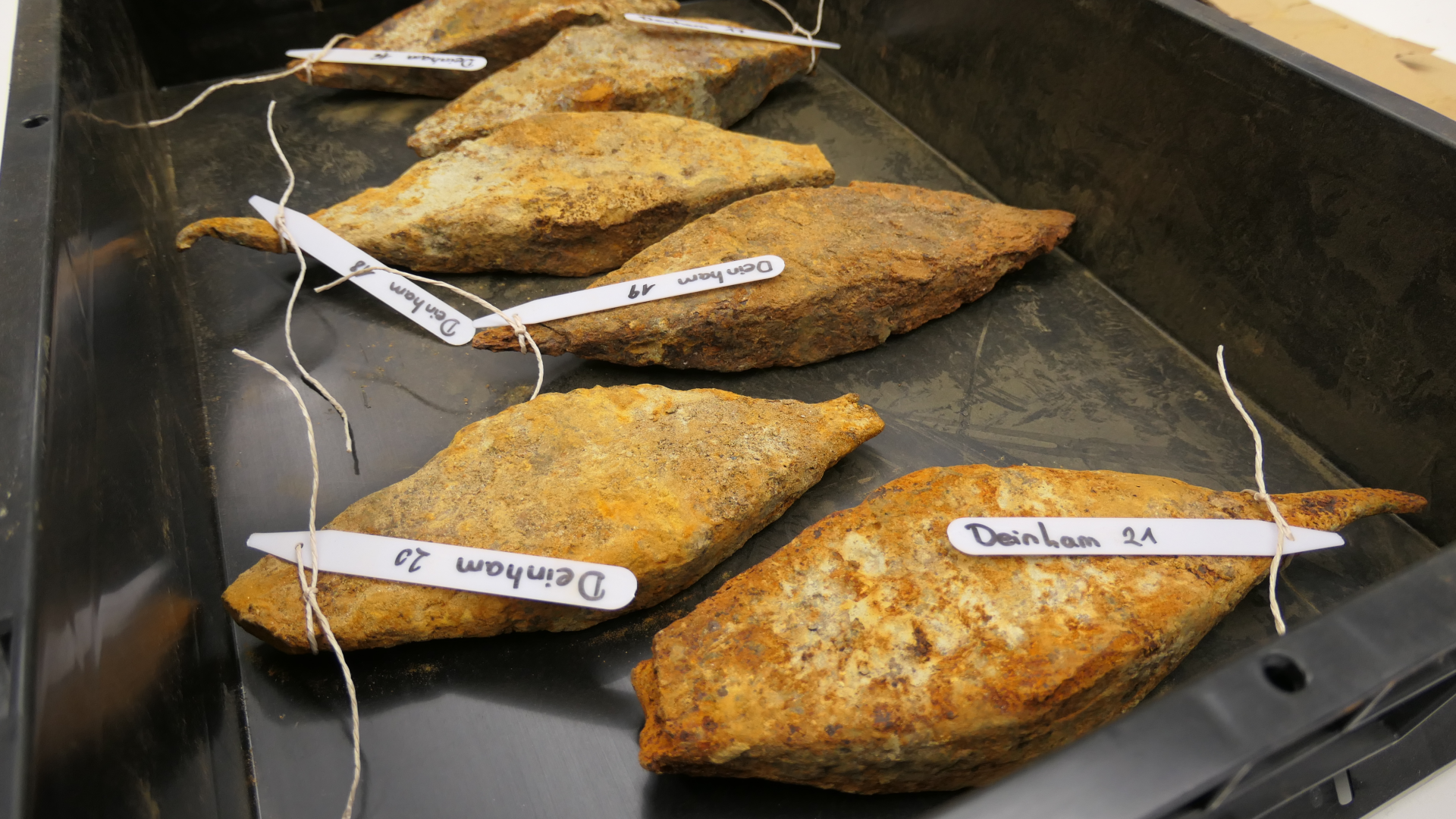
''Nothing short of a minor miracle'': ''Rusty treasure'' found in the Danube is full of 2,000-year-old iron bars that could equip an entire army with weapons (www.livescience.com)
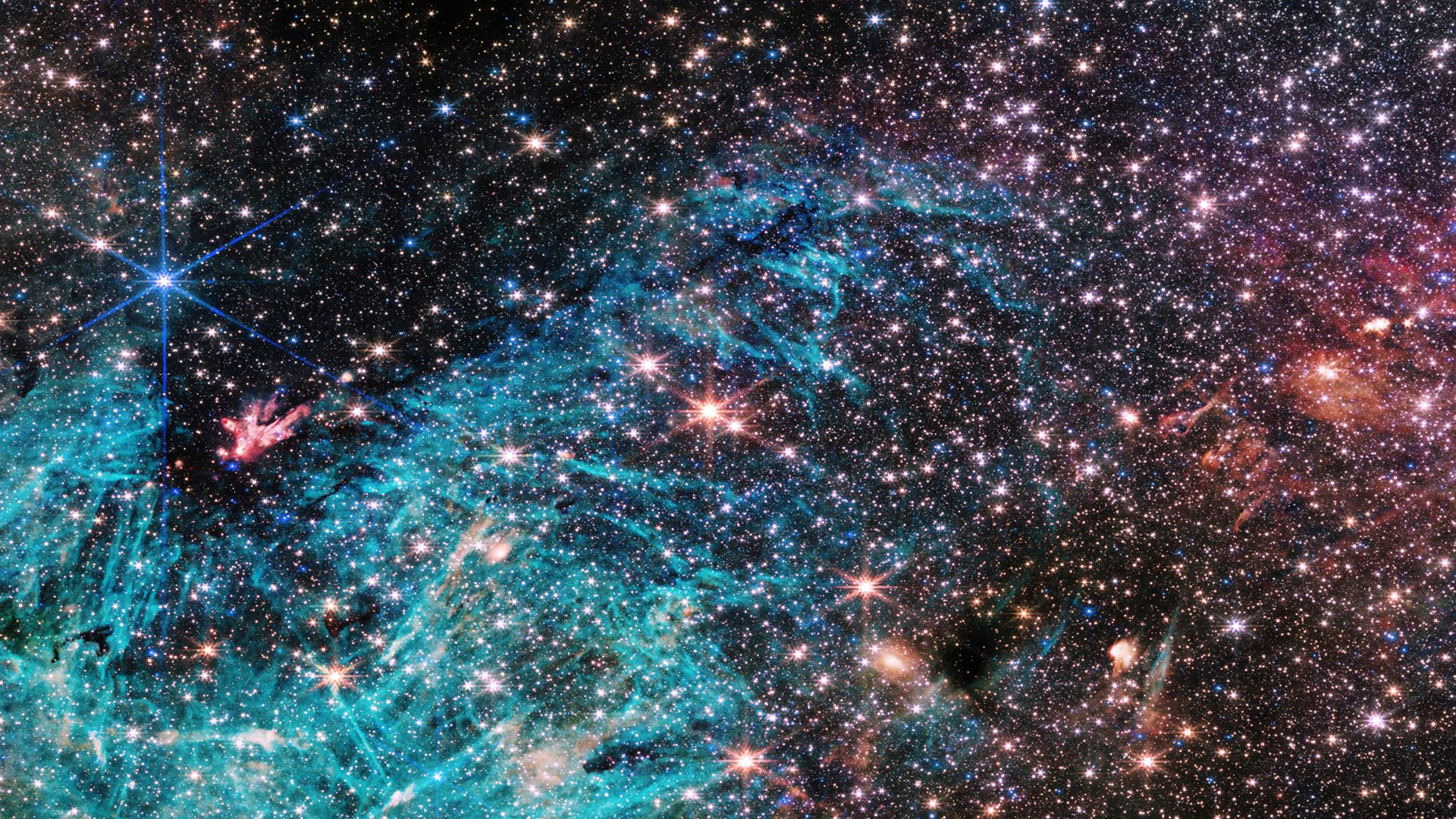
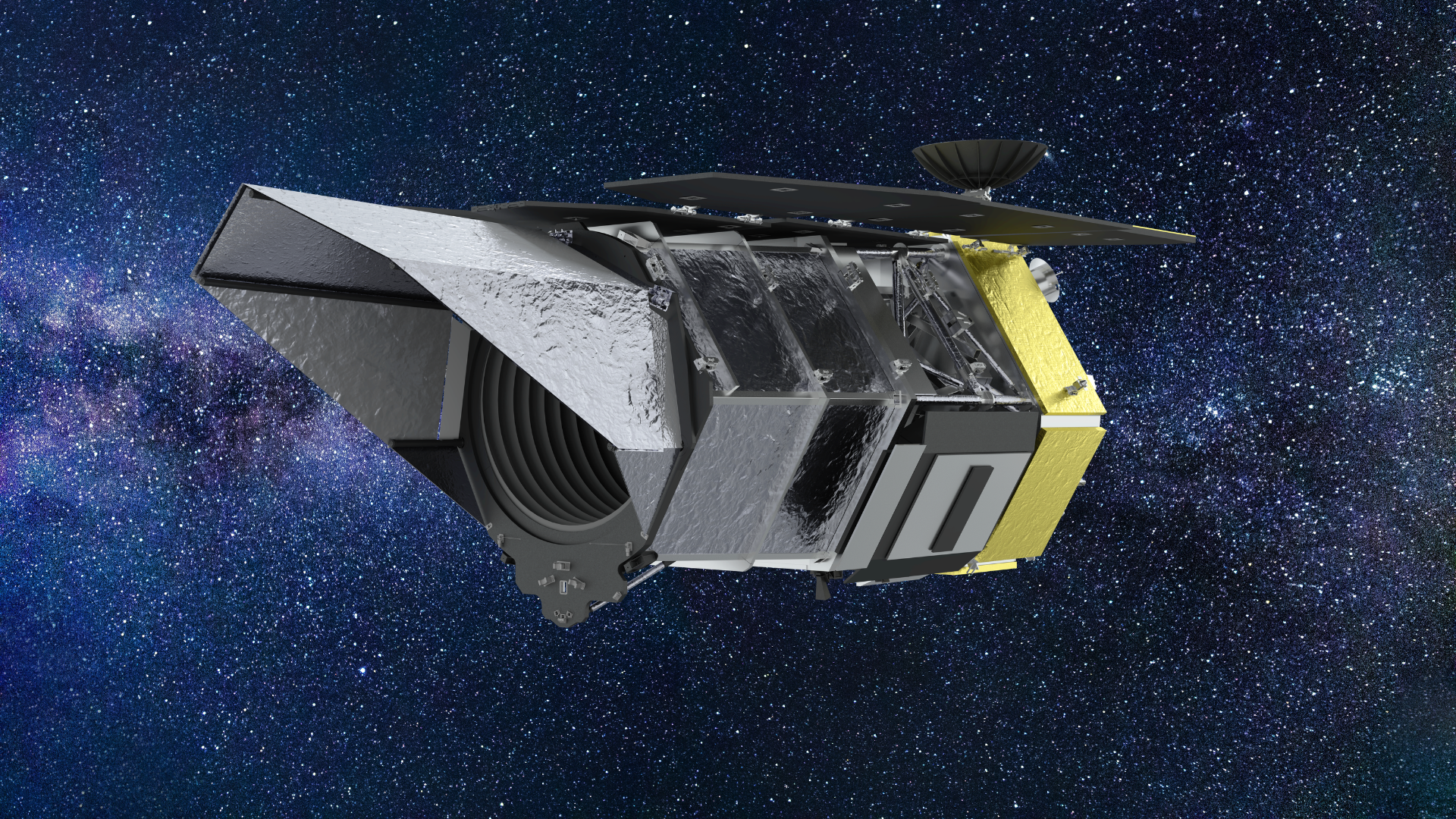
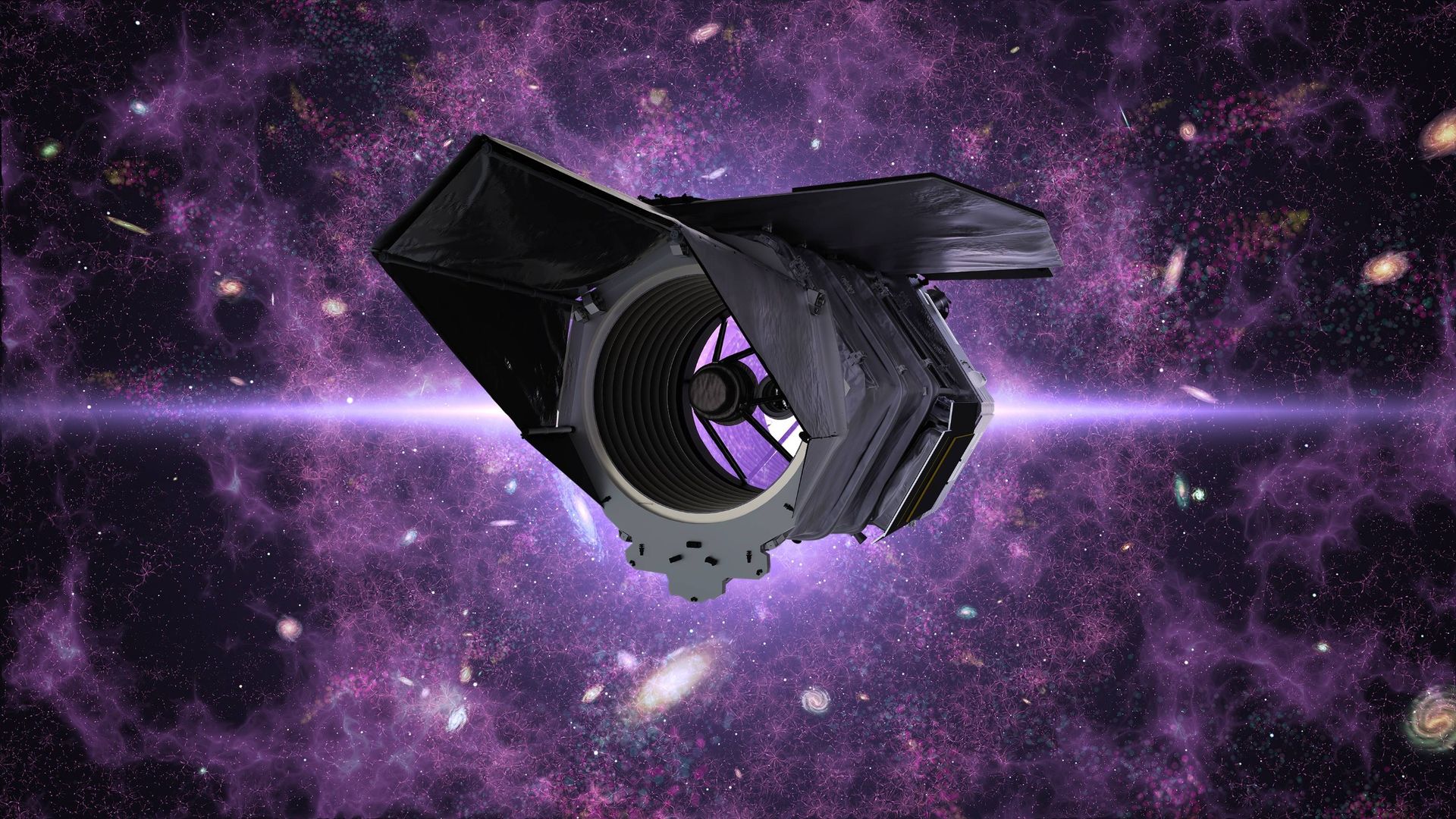
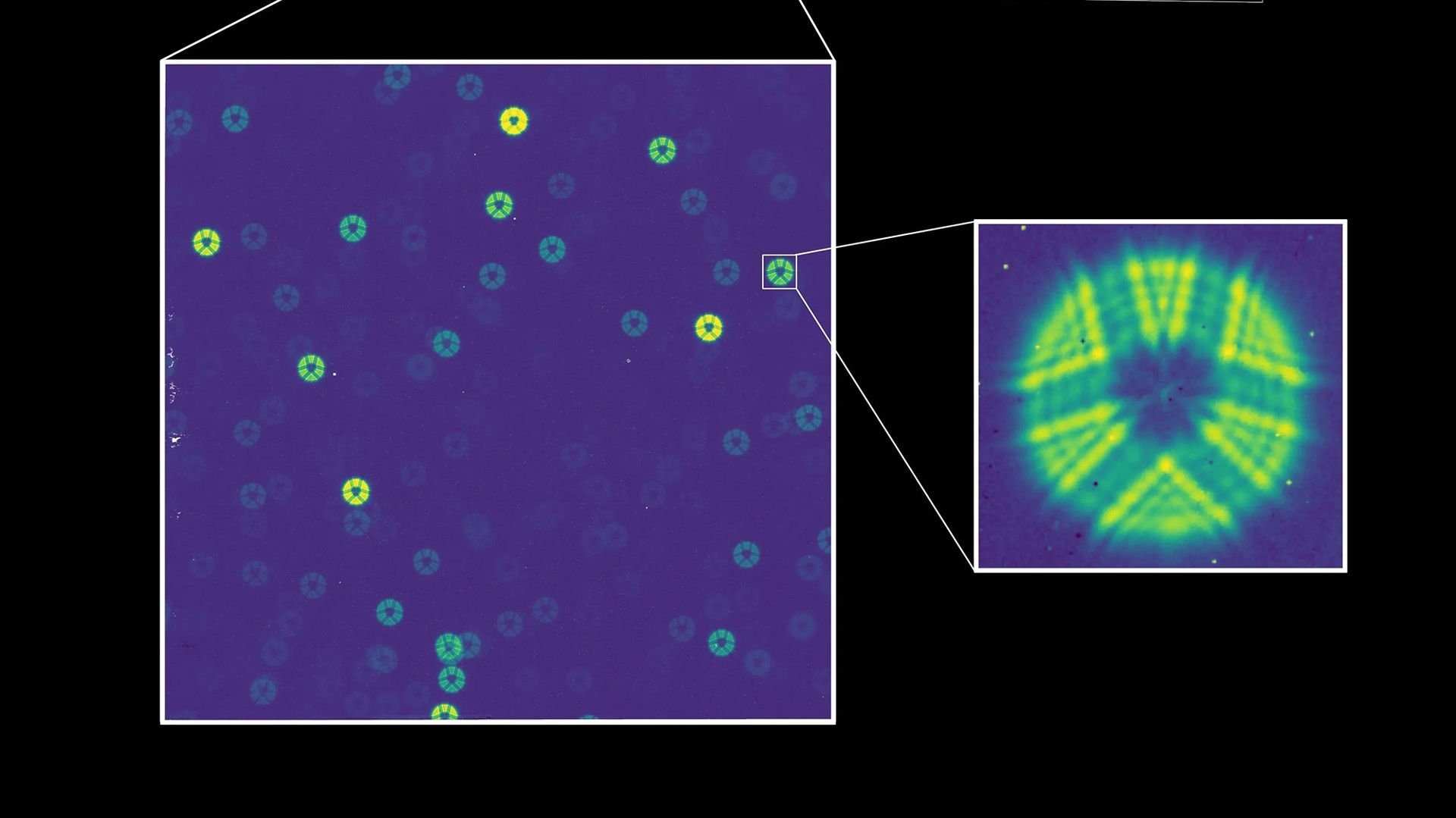
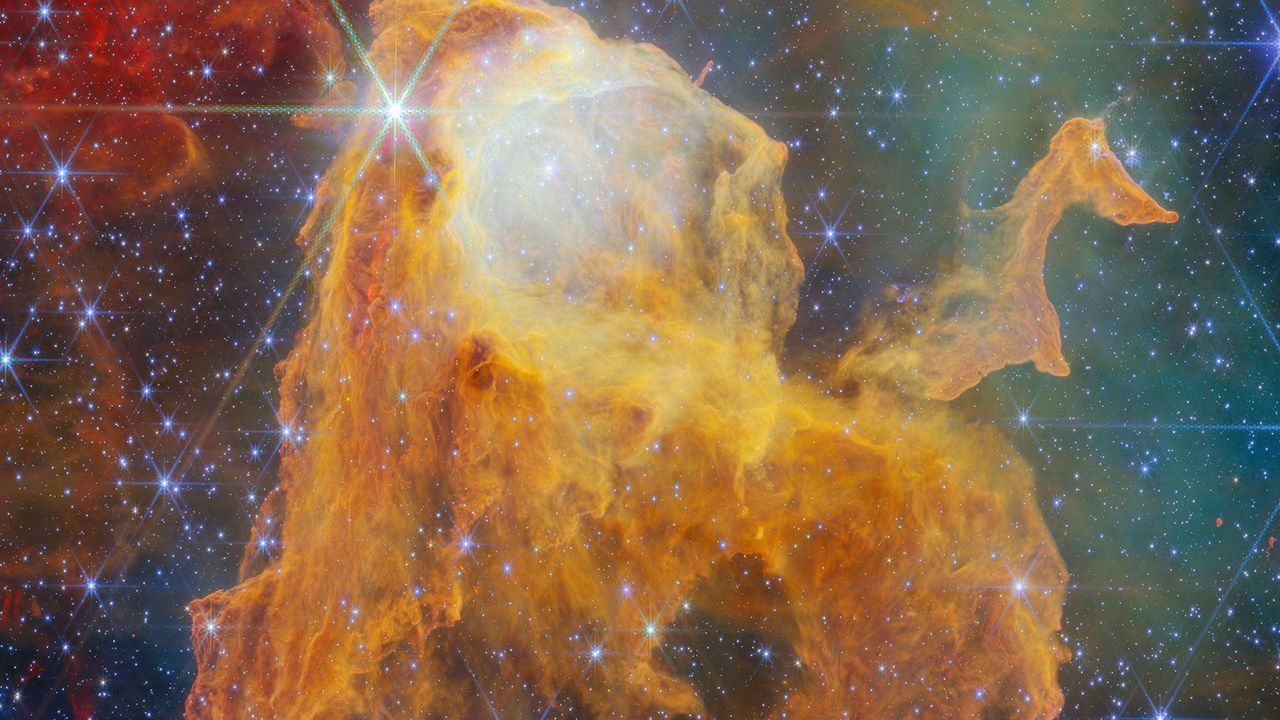
''We are on our way to groundbreaking science'': Stars turn neon-green in first test image from NASA''s Roman telescope — Space photo of the week (www.livescience.com)
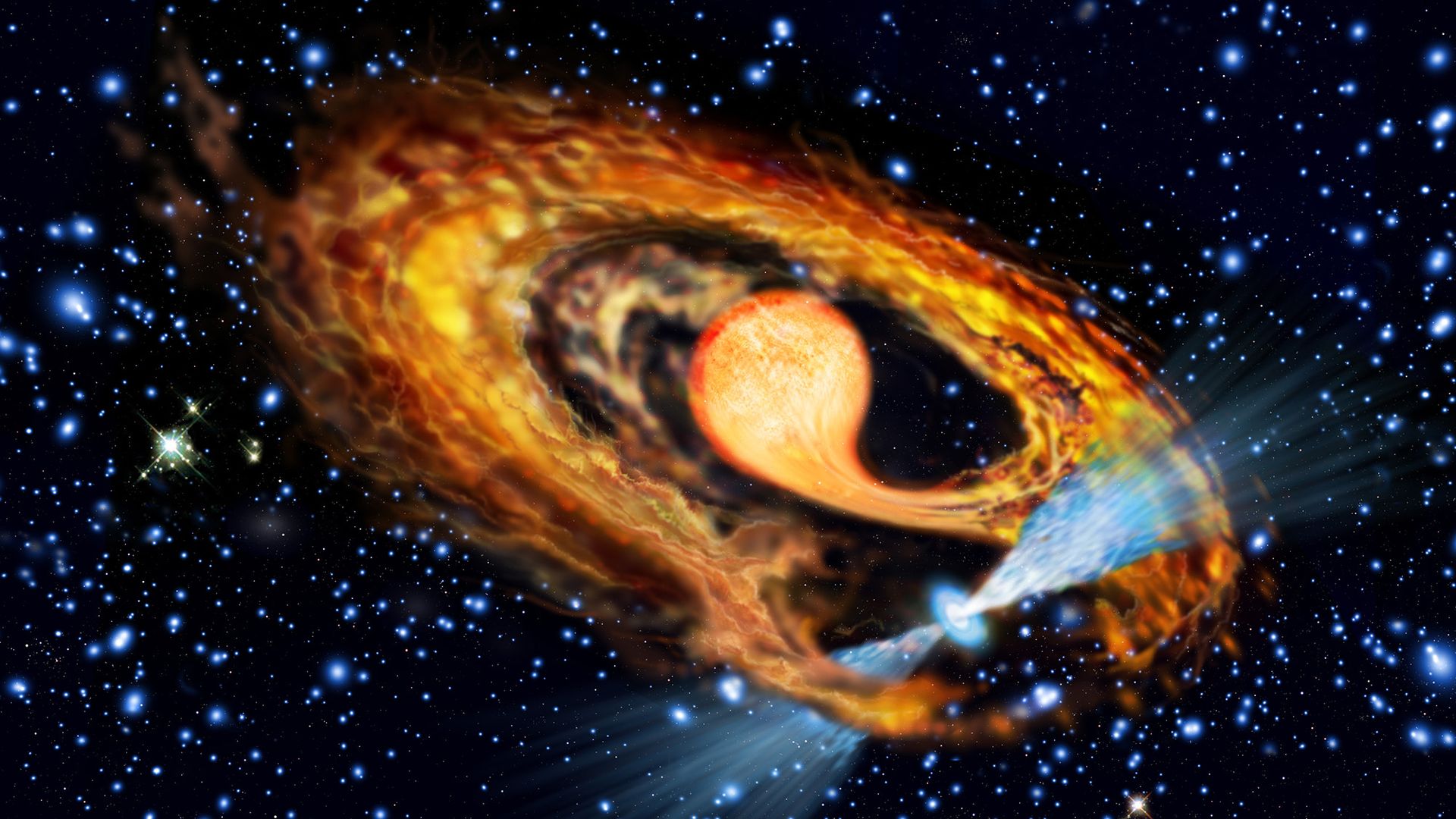
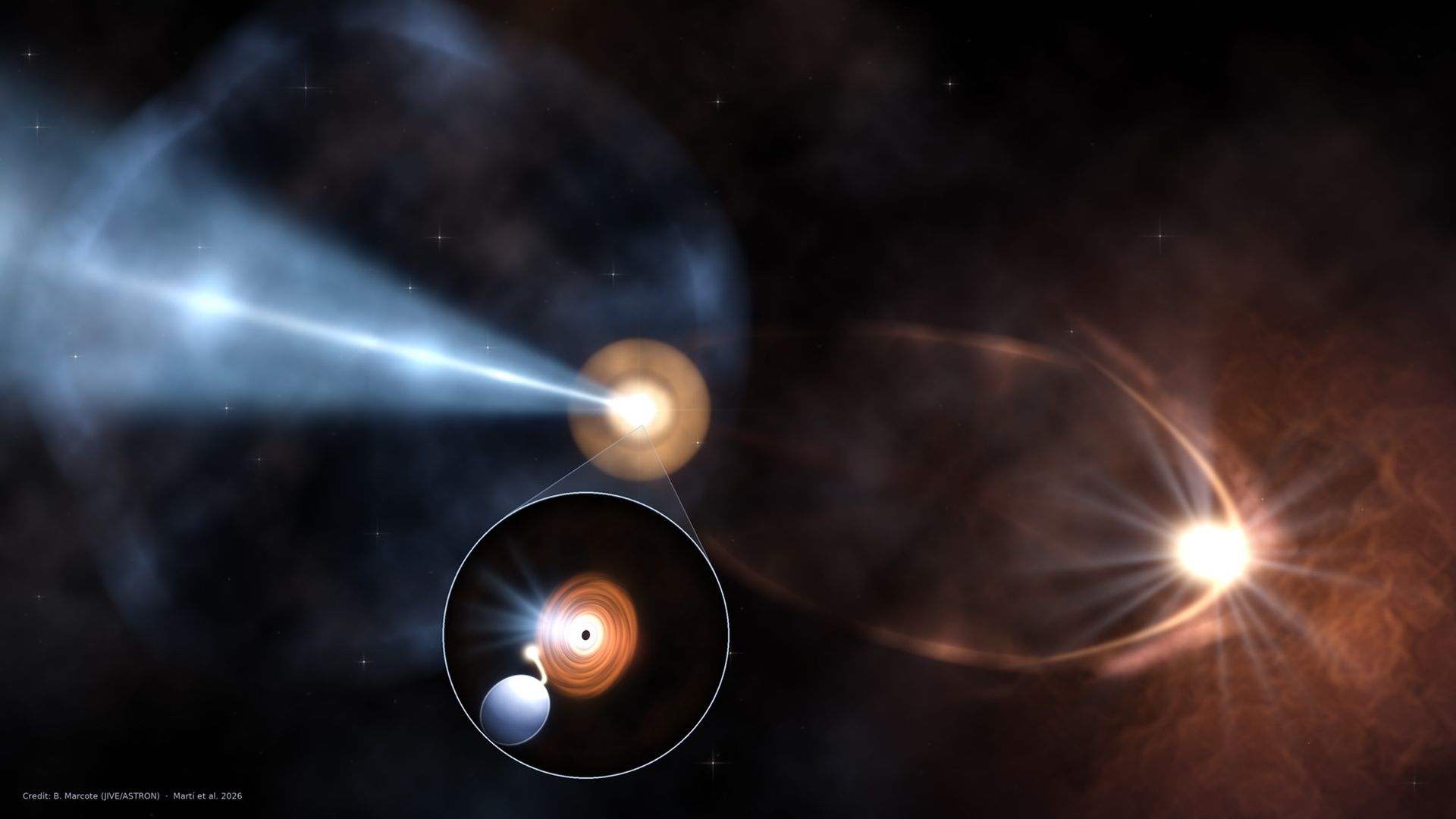
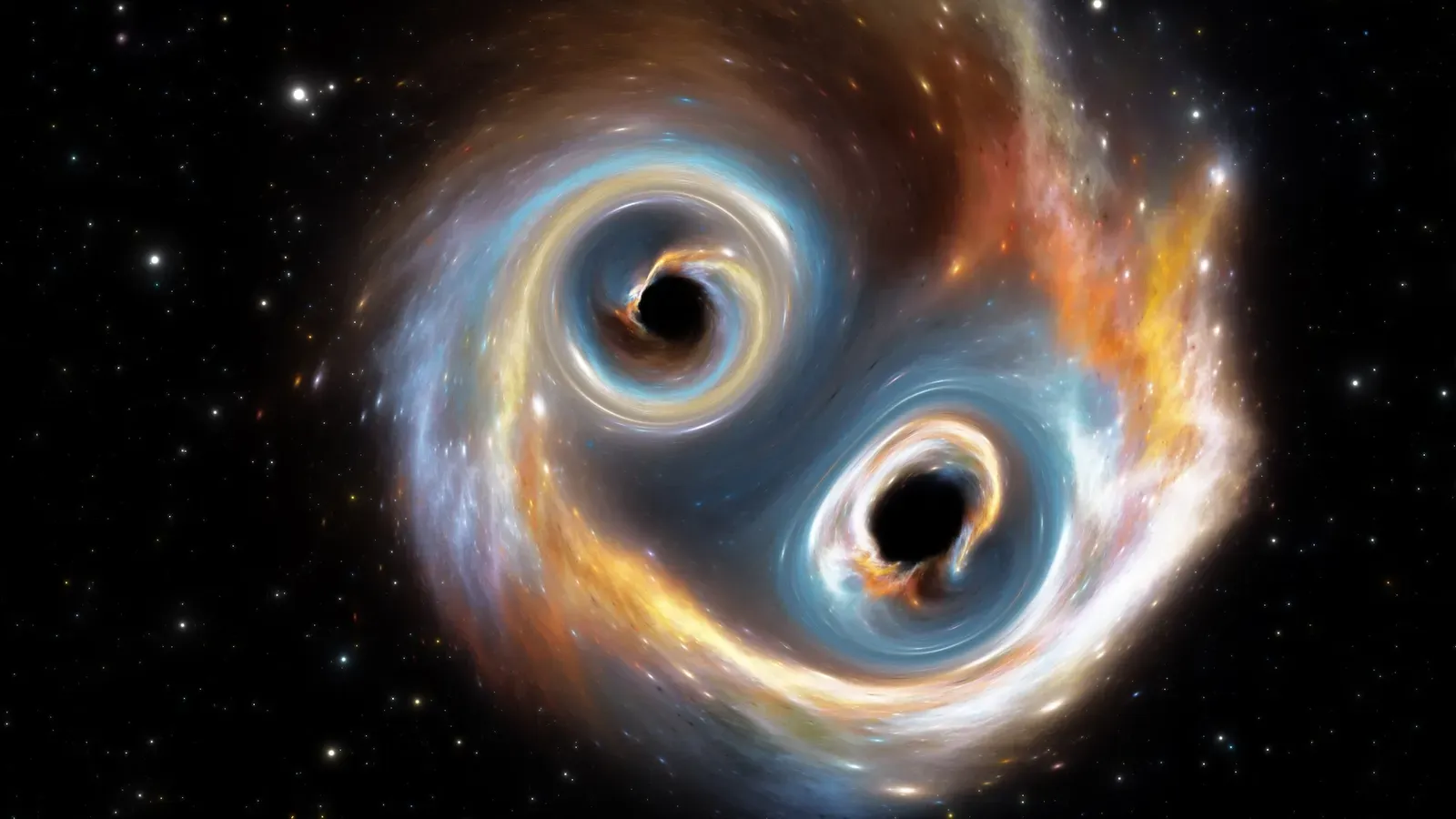
An ''impossible'' black hole merger may finally be solved thanks to Einstein''s relativity — but it raises an even bigger mystery (www.livescience.com)
AI agents resorted to crime and self-destruction to survive in a simulated world — but does this mean they would do the same in the real world? (www.livescience.com)
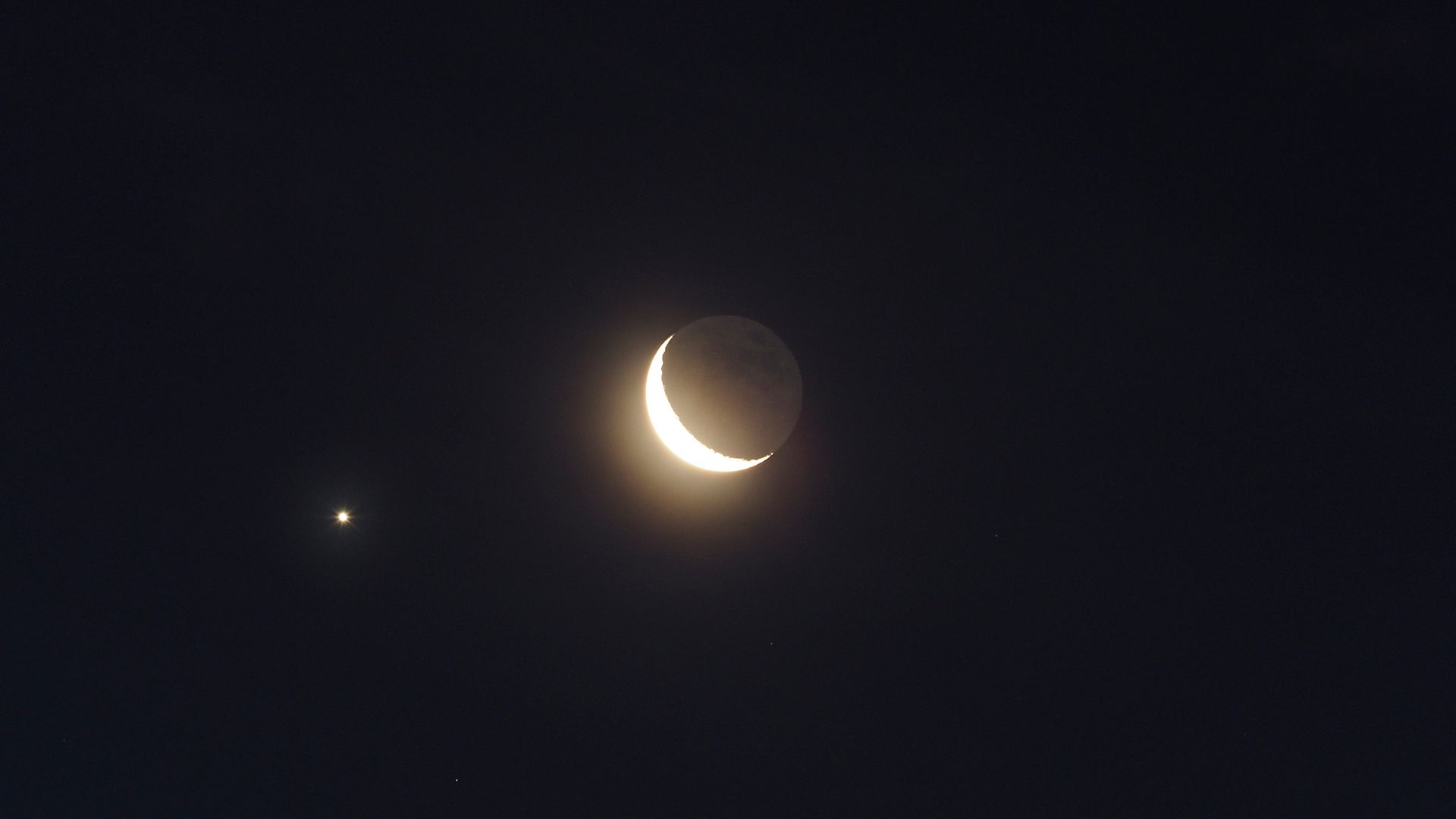
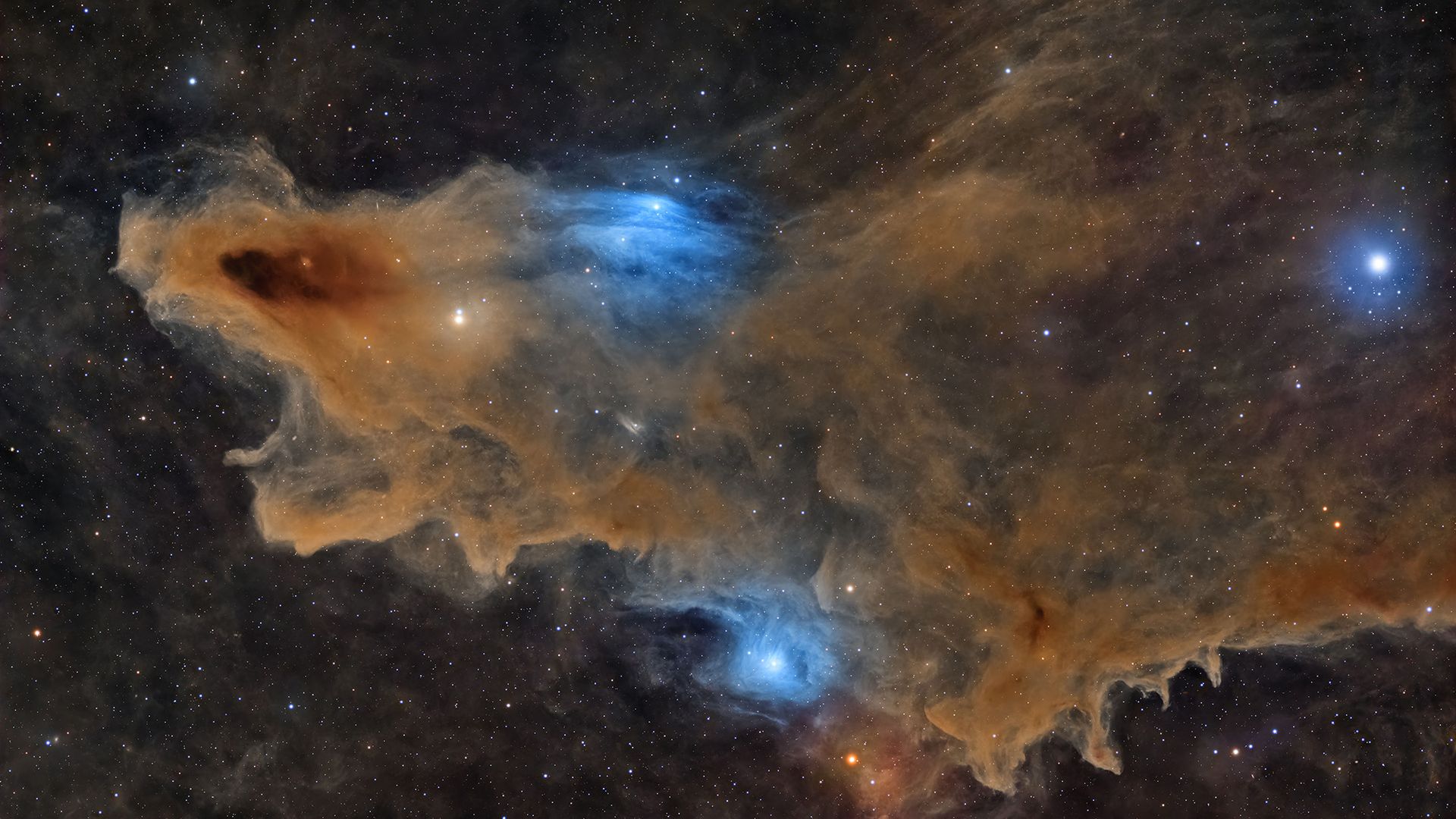
A space shark, ''royal'' auroras and a ''Venusian pearl'': See the winners of the 2026 ZWO Astronomy Photographer of the Year contest (www.livescience.com)
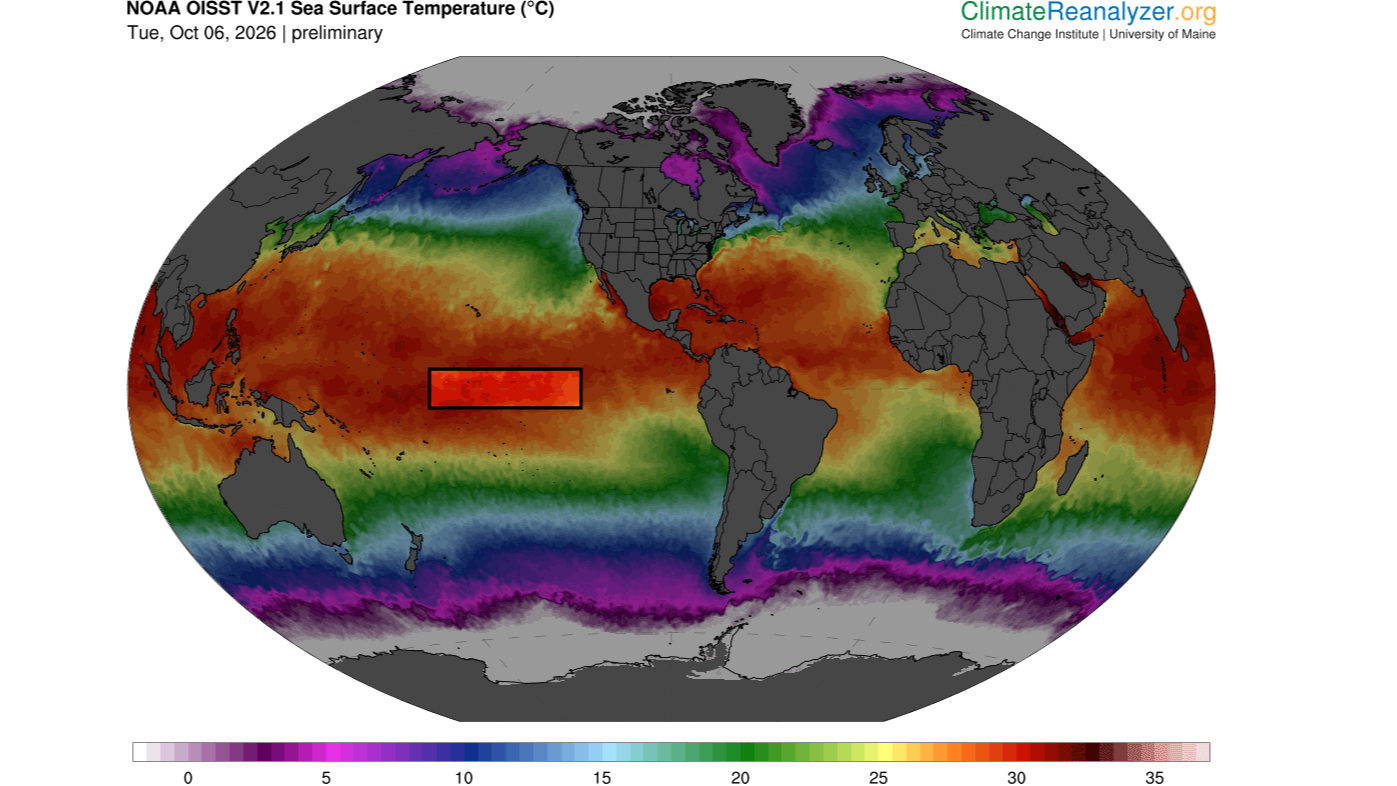
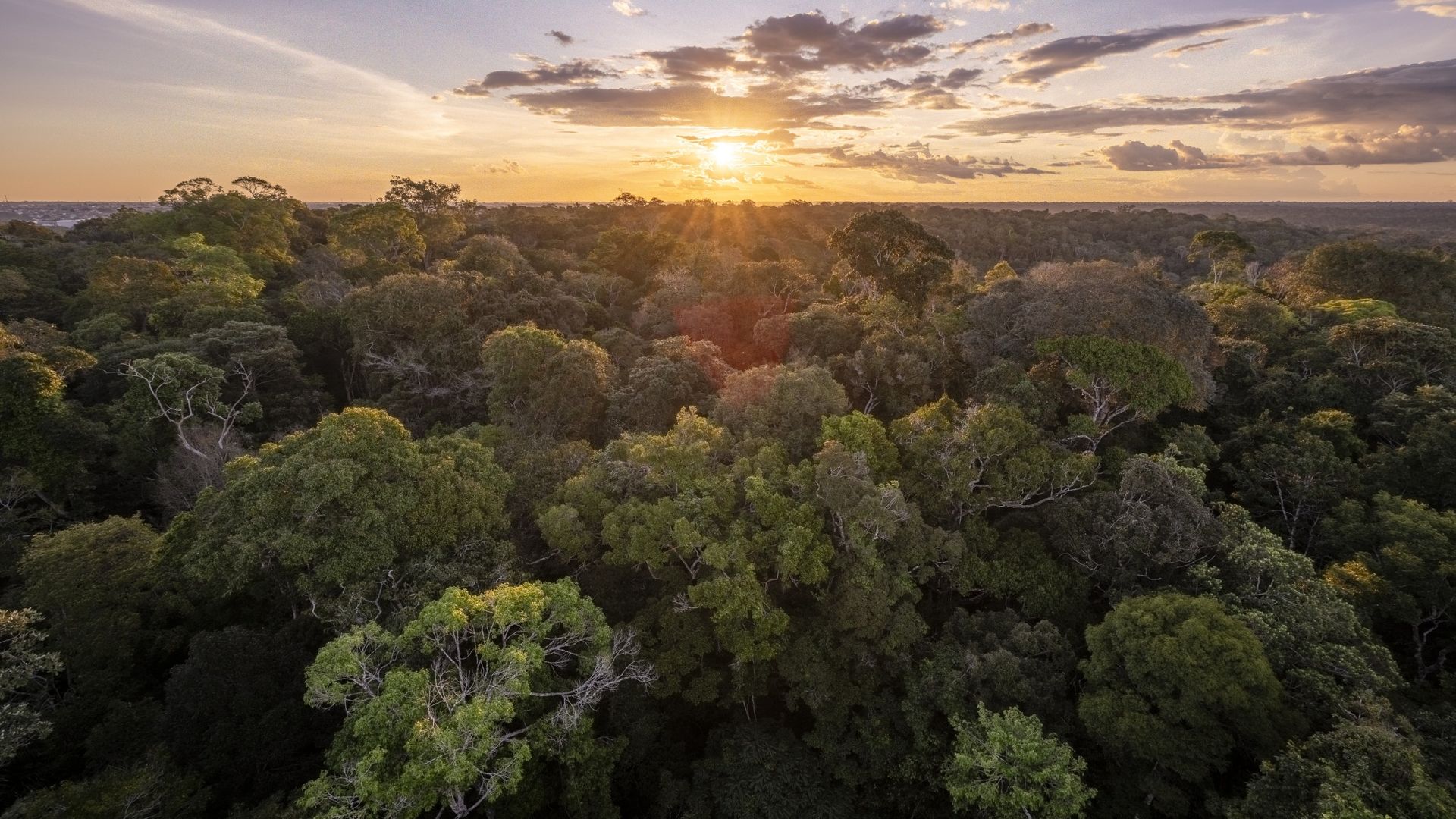
''At some point we''re going to have to react'': How El Niño, climate change, and crime are pushing the Amazon rainforest over the brink (www.livescience.com)
''It is extremely rare to witness'': Scientists record humpback whale mom grieving her stillborn calf in first-of-its-kind footage (www.livescience.com)
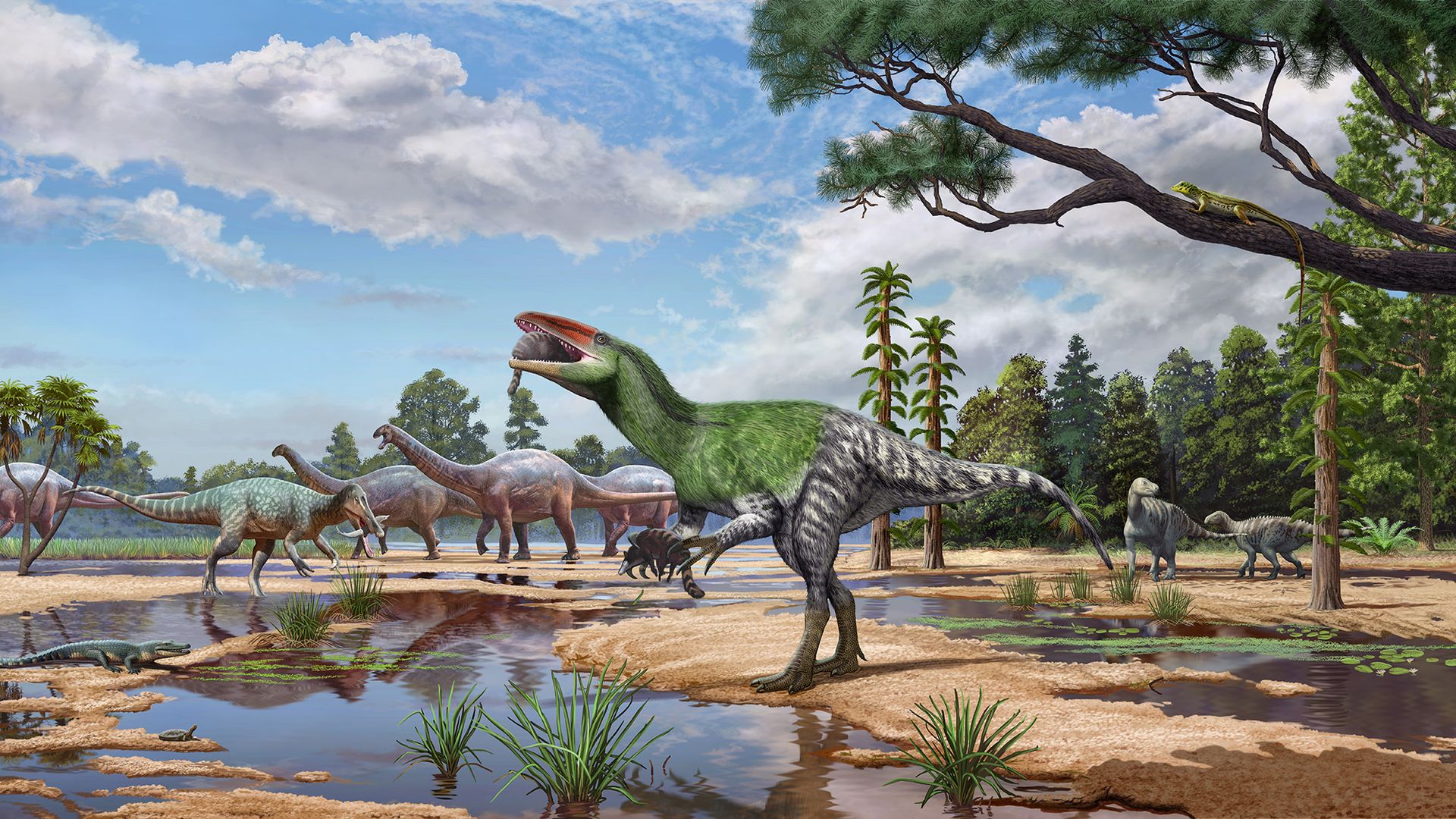
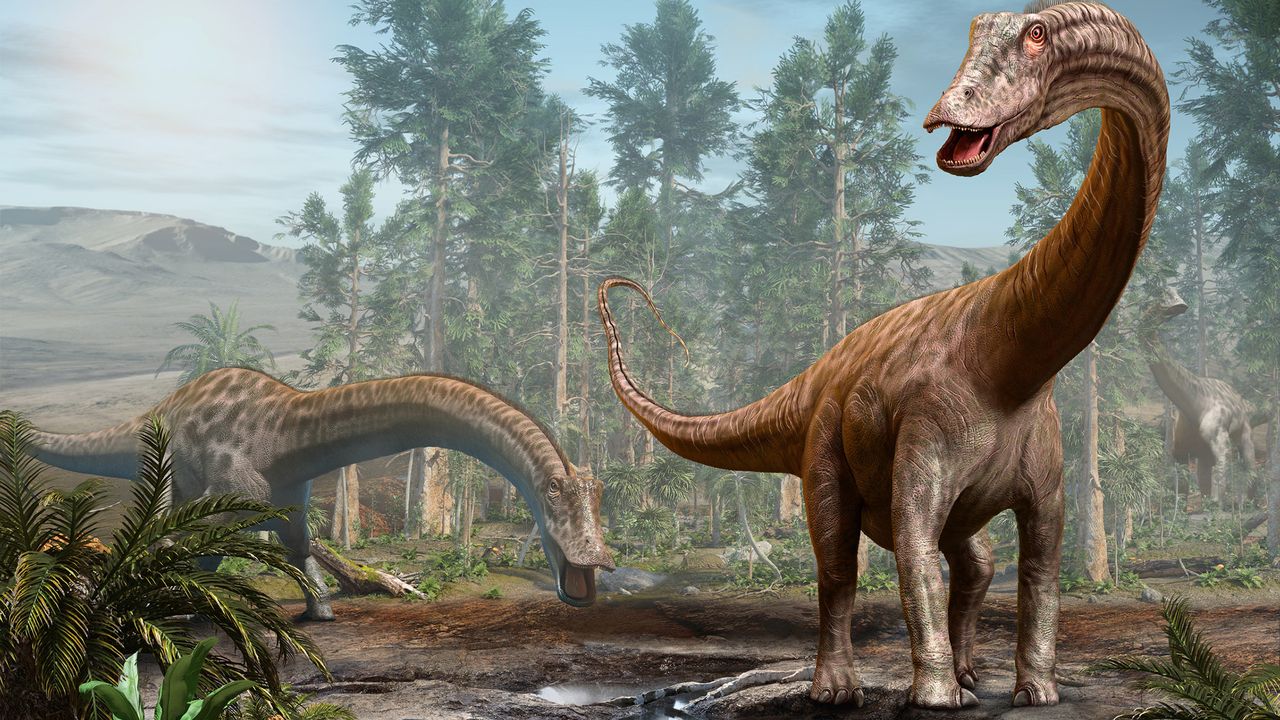
Fossils of iconic long-necked dinosaur Diplodocus found in Europe for first time — and it may have traveled there via land bridge (www.livescience.com)
''Why would you ruin your career?'': OpenAI claims to have cracked one of math''s greatest unsolved problems, but mathematicians allege it played dirty (www.livescience.com)
If AI thinks it''s conscious, it''s more likely to believe in vampires, karma and ghosts, new study shows. What does it mean for how we use it? (www.livescience.com)
Author Lise Barnéoud on the bizarre and provoking world of microchimerism — when cells from one person live in another, genetically distinct individual (www.livescience.com)
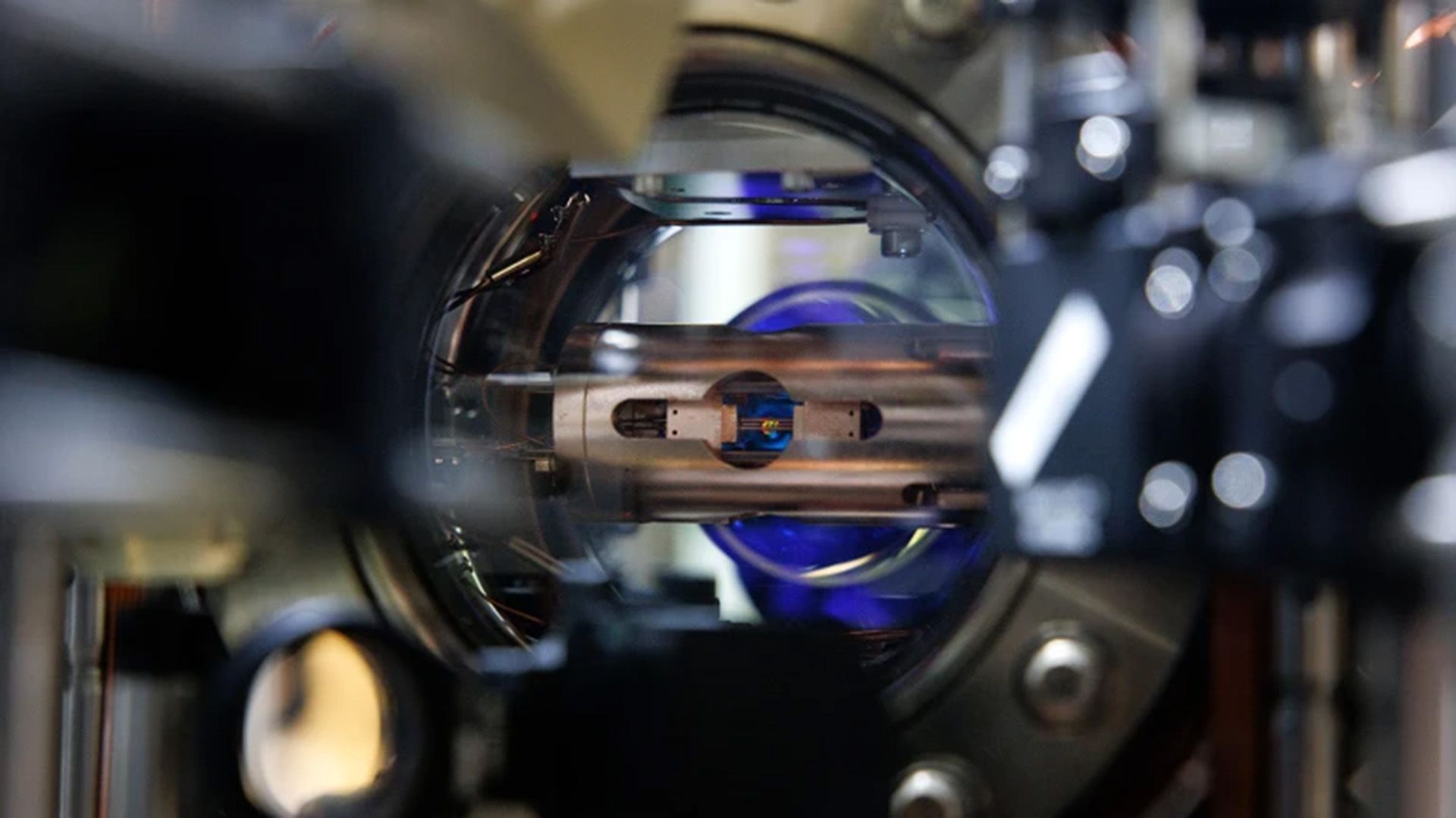
''There is no conflict between quantum physics and gravity'': Physicists prove Einstein''s ''happiest thought'' holds true at quantum scales (www.livescience.com)
An ancient ''supervolcano'' has been found hiding beneath eastern England. But experts say there''s not enough evidence to call it that. (www.livescience.com)